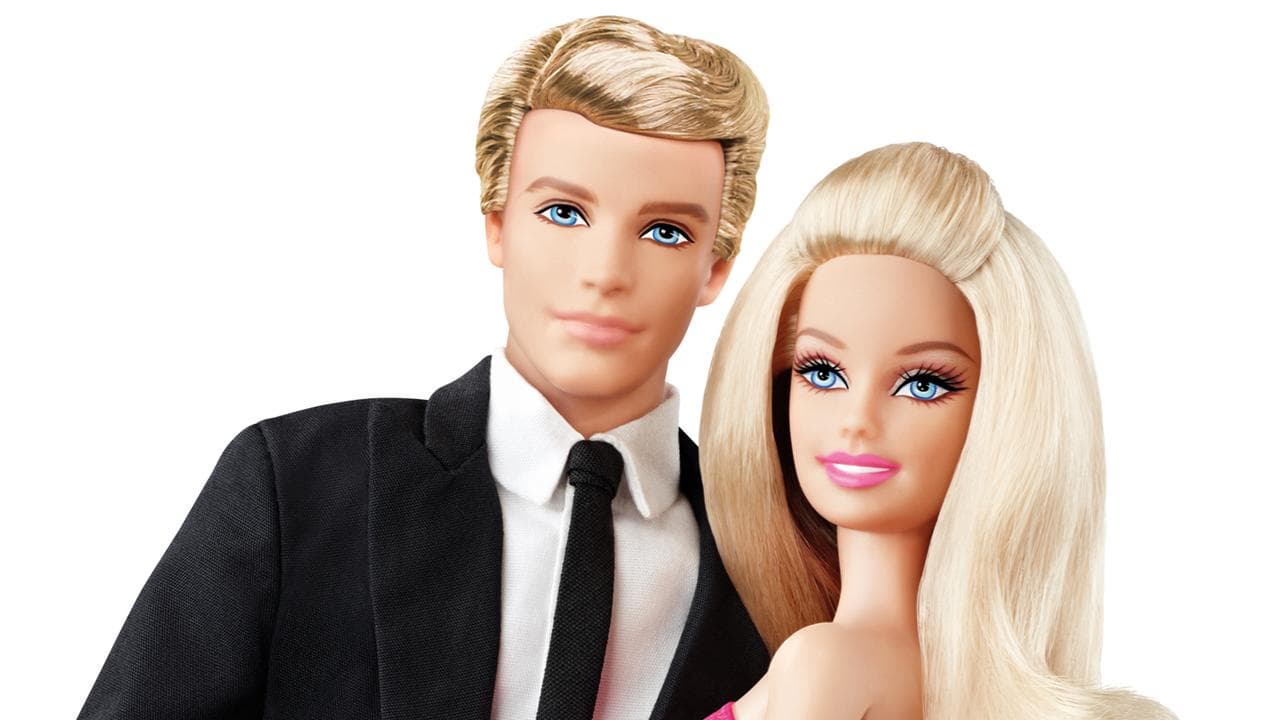
Once upon a time, Barbie and Ken had bodies that belonged more in a maths equation than in real life.
Almost 70 years on, though, the world’s most famous plastic couple have finally put a little “human” back into “inhumanly proportioned” - a shift experts say could matter for how children see their own bodies.
For decades, Barbie and Ken have been held up as the ultimate plastic perfection.
She had a tiny waist and blonde hair, with legs for days.
He had the square-jaw, superhero chest and not a soft edge in sight.
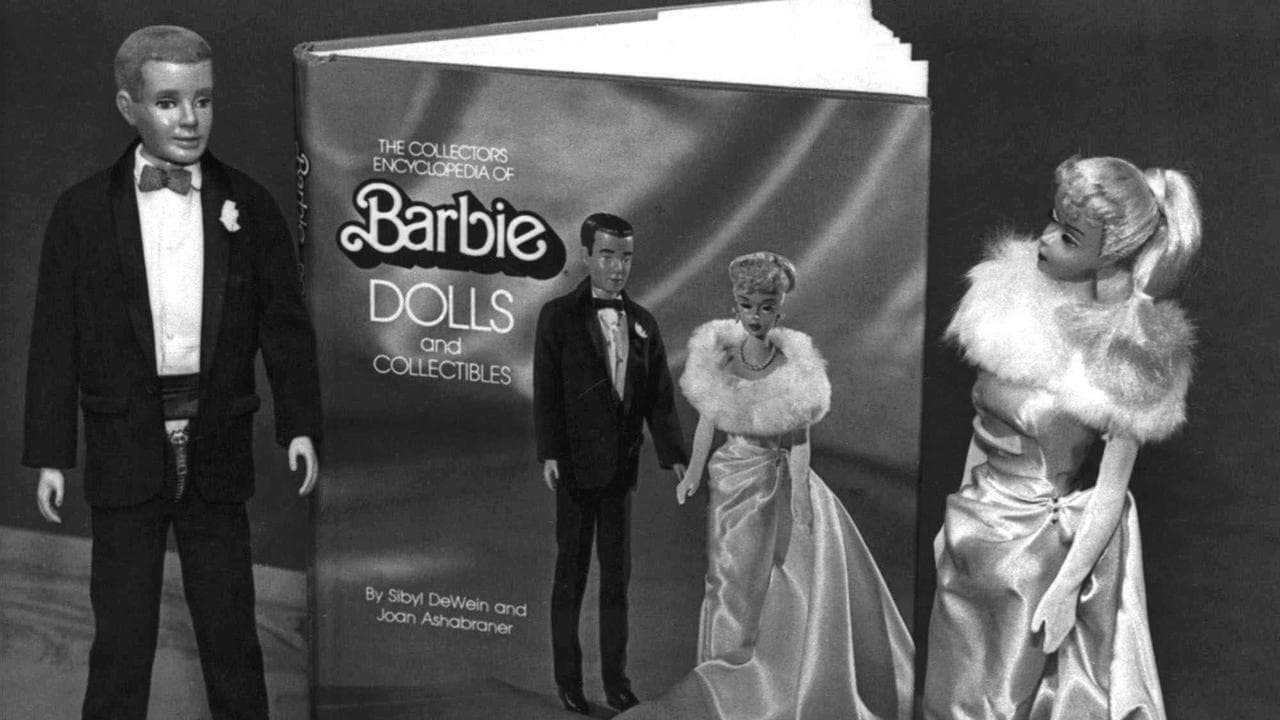
Their bodies were so extreme, a landmark 1996 Australian study found almost no one could match their proportions in real life.
Now the same science has been turned on the latest generation of dolls, and the results suggest Barbie and Ken have quietly undergone a body revolution.
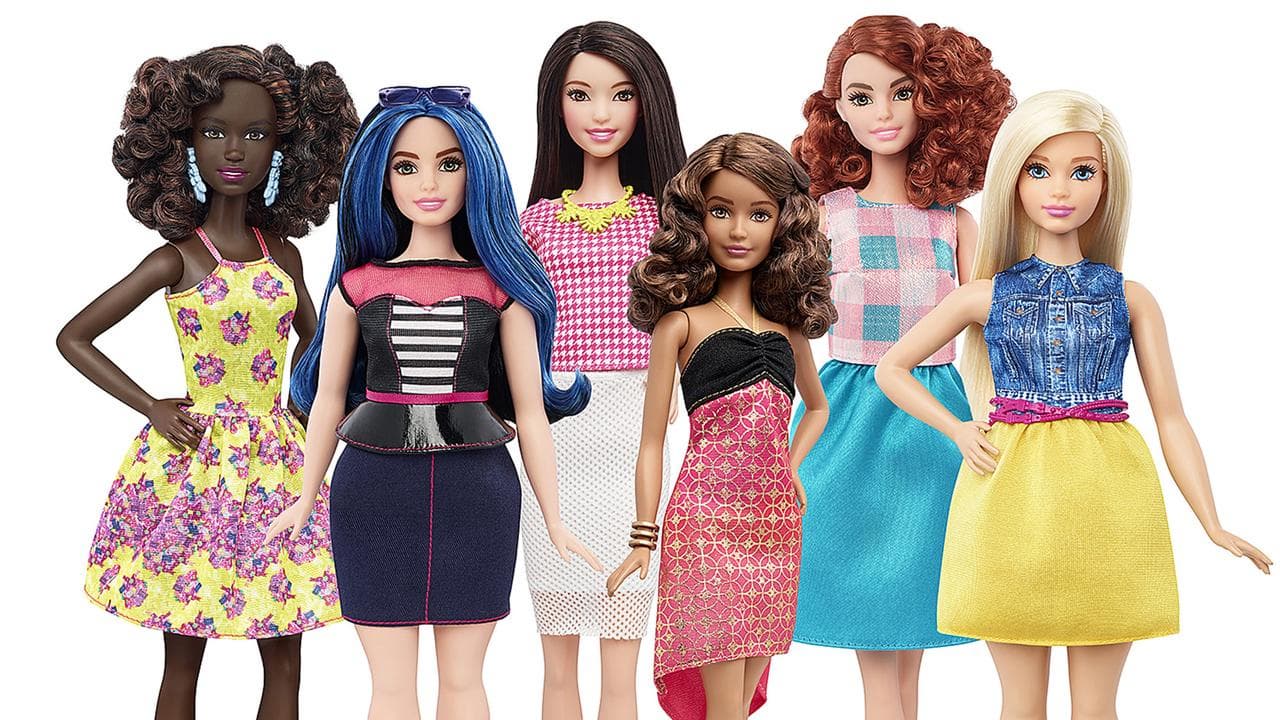
Using the original methods, researchers from Adelaide University and UNSW Sydney measured the current Fashionista Barbie dolls - Curvy, Tall, Petite and Standard - along with the latest Ken to see how closely they reflected real adult bodies.
They focused on key measurements such as waist-to-hip and chest-to-waist ratios, then compared them with data from real populations.
The verdict?
Barbie and Ken are still stylised, still aspirational and still very much plastic.
But the numbers show their bodies now sit much closer to the range seen in actual humans.
Among the Fashionista range, Curvy Barbie most closely matched today’s average female body proportions, while the newest Ken also showed more realistic measurements than his predecessors.
Lead researcher Sara Grafenauer, from UNSW Medicine & Health, says the shift is more than a marketing tweak.
“Barbie and Ken are among the most recognisable cultural icons globally, and for many children, they’re an early and influential representation of what bodies of adults ‘should’ look like,” Associate Professor Grafenauer says.
“But traditional Barbie and Ken dolls have always had unrealistic and statistically improbable body shapes."
She says the original dolls’ body shapes were so extreme, fewer than one in 10 million people could match their proportions.
“Our study found Barbie and Ken’s body proportions today have become markedly more realistic, with waist-to-hip and chest-to-waist measurements now falling within the normal range for key female body proportions, albeit still below the typical female averages," she says.
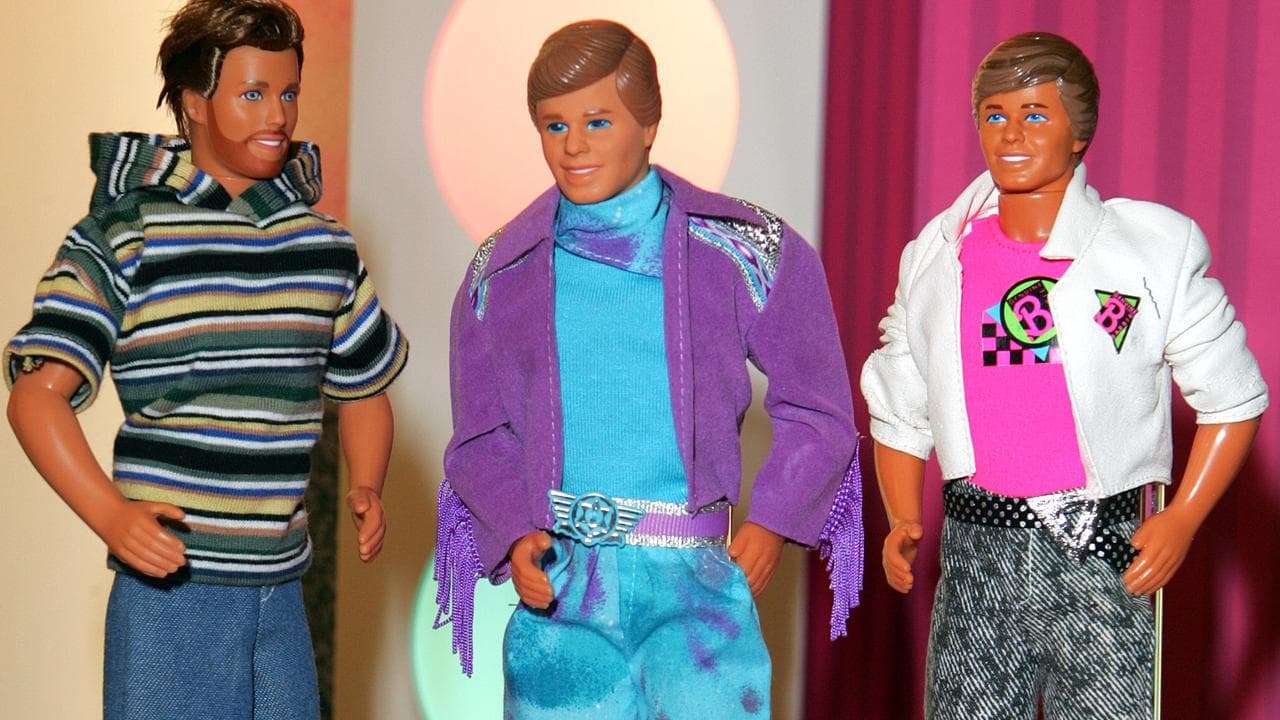
“Interestingly, while Ken’s overall body shape has become more realistic, some proportions - particularly his chest-to-waist ratio - remain less representative of the average man.”
The findings land in the middle of a long-running debate about how idealised bodies shape the way children and teenagers feel about themselves.
Decades of research have shown constant exposure to unrealistic body ideals - whether on social media, in advertising or on toy shelves - can influence body image, expectations and even health behaviours, particularly among young people.
Co‑researcher Kevin Norton, who authored the original 1996 study, says the new data shows just how far things have shifted.
“The positive changes we’re seeing in Barbie and Ken’s body shapes should provide some reassurance for health professionals and parents choosing these dolls,” Professor Norton says.
“The greater diversity we’re seeing is a positive step that better reflects the people children see around them every day.
“We know Barbie and Ken are promoted as aspirational role models, so it makes sense that their body shapes and proportions are meaningful to those who play with them.”
Toy maker Mattel began broadening Barbie’s look in 2016, introducing Curvy, Tall and Petite dolls alongside the original impossibly slender figure.
Hijab‑wearing Barbie, dolls with wheelchairs and a wider range of skin tones followed, part of a broader push towards inclusion.
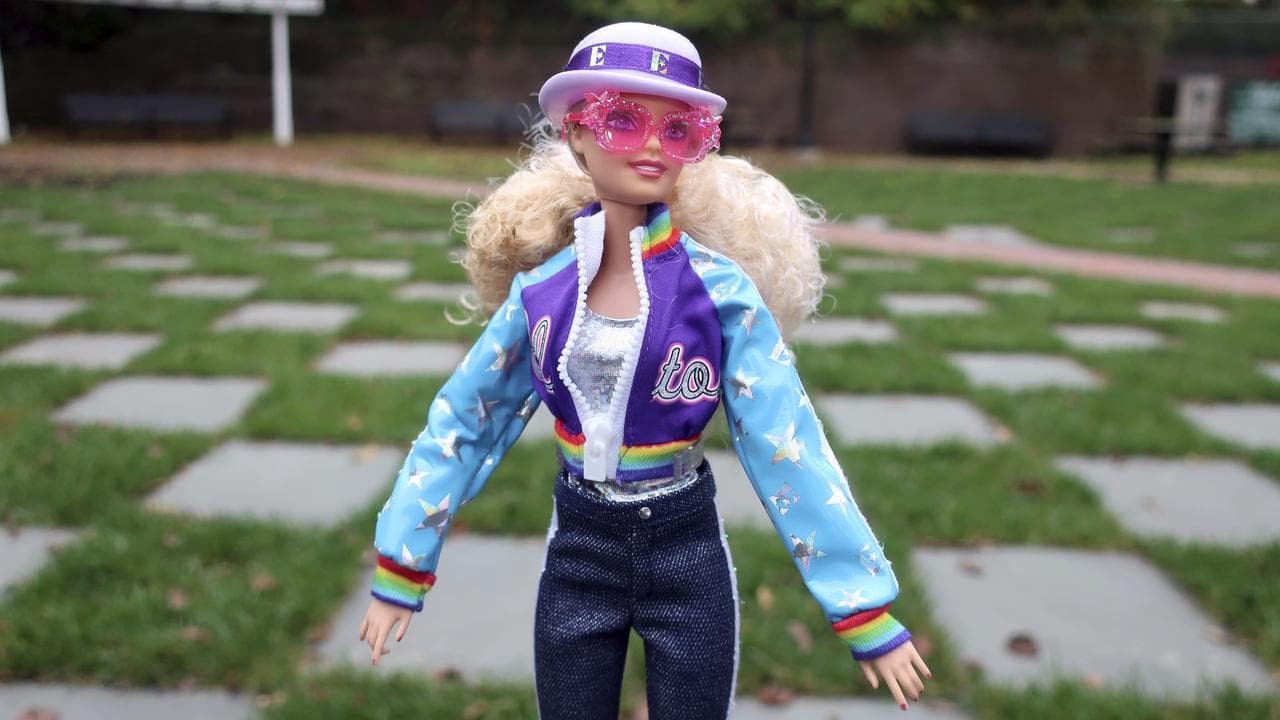
There's even an Elton John Barbie, for the flamboyant fashionistas.
The Australian team’s new measurements suggest that change has been more than skin-deep.
Barbie’s body has shifted from statistical outlier towards something recognisably human, even if she’s still a long way from average.
Co‑researcher Belinda Durey says that matters because children absorb far more from their toys than just how to swap outfits and organise dream houses.
“Children’s toys do more than entertain; they help shape perceptions of bodies, health and identity. The more those toys reflect the diversity of real people, the more positive that influence can be,” she says.
“The introduction of multiple body shapes is a positive step. Continued diversification - including variation in size, shape and proportion - can better reflect real populations.
“There’s no doubt today’s Barbie and Ken are still stylised but they’re substantially closer to average human body proportions than earlier generations, and that’s a step in the right direction.”
Critics will point out Barbie is still thin, glamorous and sold as an aspirational ideal.
No single study will settle the question of whether a doll can ever be “neutral” in a culture saturated with narrow beauty standards.
But for the children lining up their dolls at home, the view might already be changing.
Where once every Barbie in the box looked like a copy-and-paste version of the same tiny waist and endless legs, today’s line-up is a little less uniform.
Some are taller, some shorter, some curvier, some closer to the bodies children see at school drop-off, on buses and at the beach.
Barbie and Ken might never be truly average - after all, they still live in a dream house with a dream pool and dream cars.
But if the latest measurements are any guide, the world’s most famous plastic couple are edging closer to something radical: looking, at last, a bit more like us.


