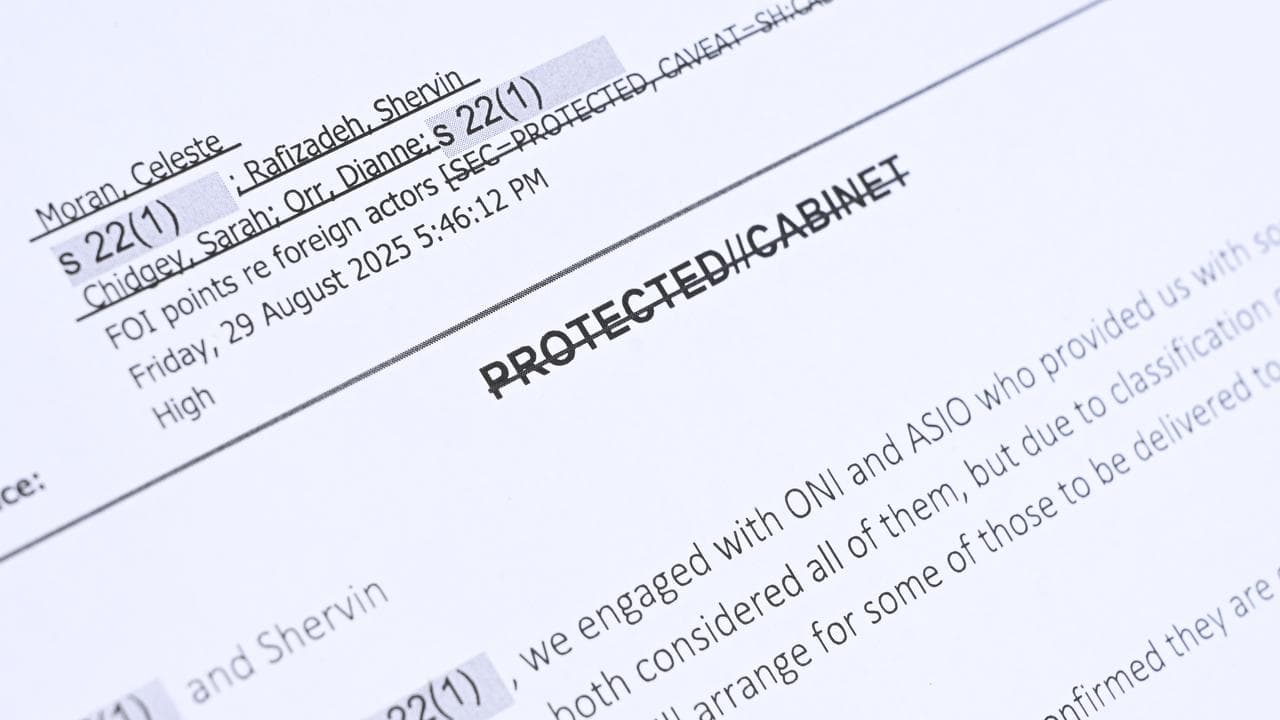
There are renewed calls for freedom of information reform after a study found two-thirds of federal public bodies may be breaking the law by failing to publish within required timeframes.
And many agencies aren't publishing all they are required to, meaning Australians are being denied access to public information.
Australia's broken FOI system has been shown up again, this time in an Office of the Australian Information Commissioner's desktop review of disclosure practices.
The office looked at how long it took departments and agencies to publish requests onto their "disclosure logs": the online portals which hold the treasure trove of all FOI releases.
Under FOI rules, released information is given first to the applicant and then placed on the disclosure logs.
But that's not happening in a timely-enough manner: of the 30 bodies assessed, 20 were missing their 10 business day deadline.
"The disclosure logs are a requirement," FOI Commissioner Alice Linacre told AAP.
"Government information is a national resource and if a person has got access to some information, the best place for that information to go is out into the broader public, so that it can assist in informing participatory democracy and public debate."
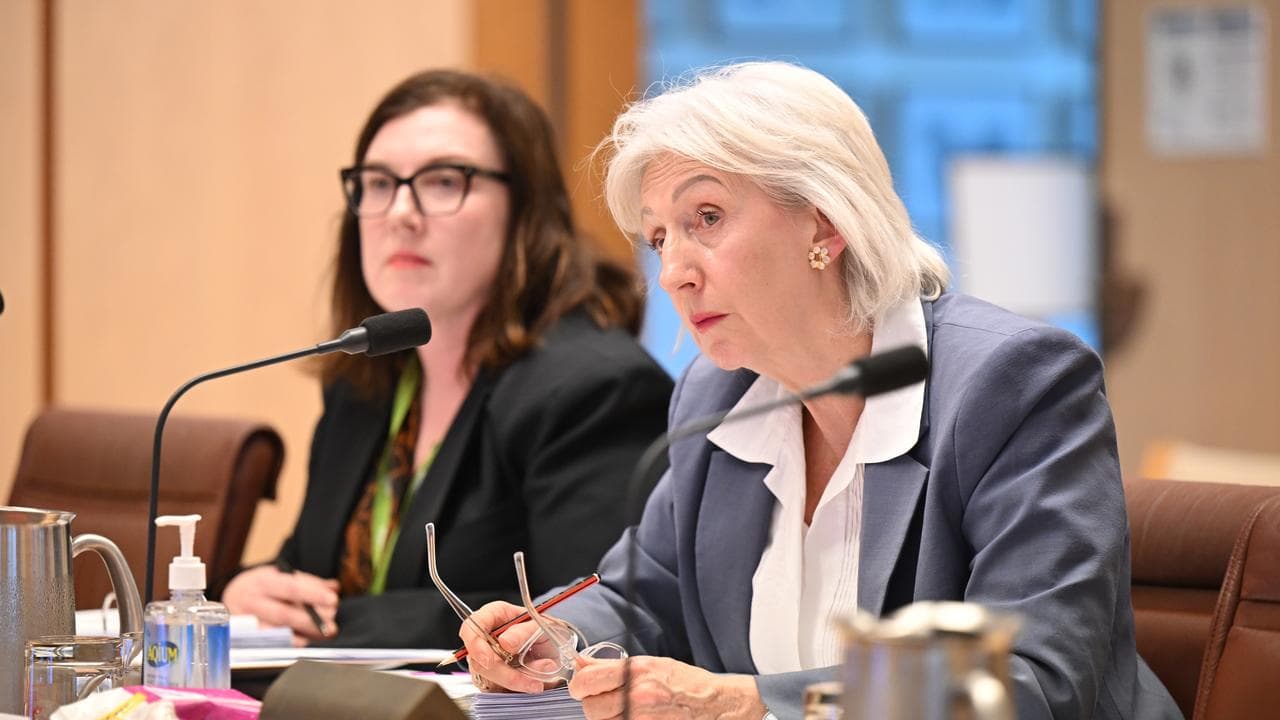
Ms Linacre stopped short of saying the agencies were breaking the law.
"We'll be doing some follow-up work with agencies to make sure that they appreciate the obligation (and) try to improve their performance," she said.
The review involved the 16 federal departments subject to the regime and 14 other agencies most frequently subject to FOI requests, which include the federal police and taxation office.
Ms Linacre said many agencies also fell short of best practice with their disclosure logs, which should include fully searchable documents, descriptive titles and dated entries.
Previous reviews into FOI have found that more than half of applicants are denied requests, and more than half of reviews show agencies withhold information when they shouldn't.
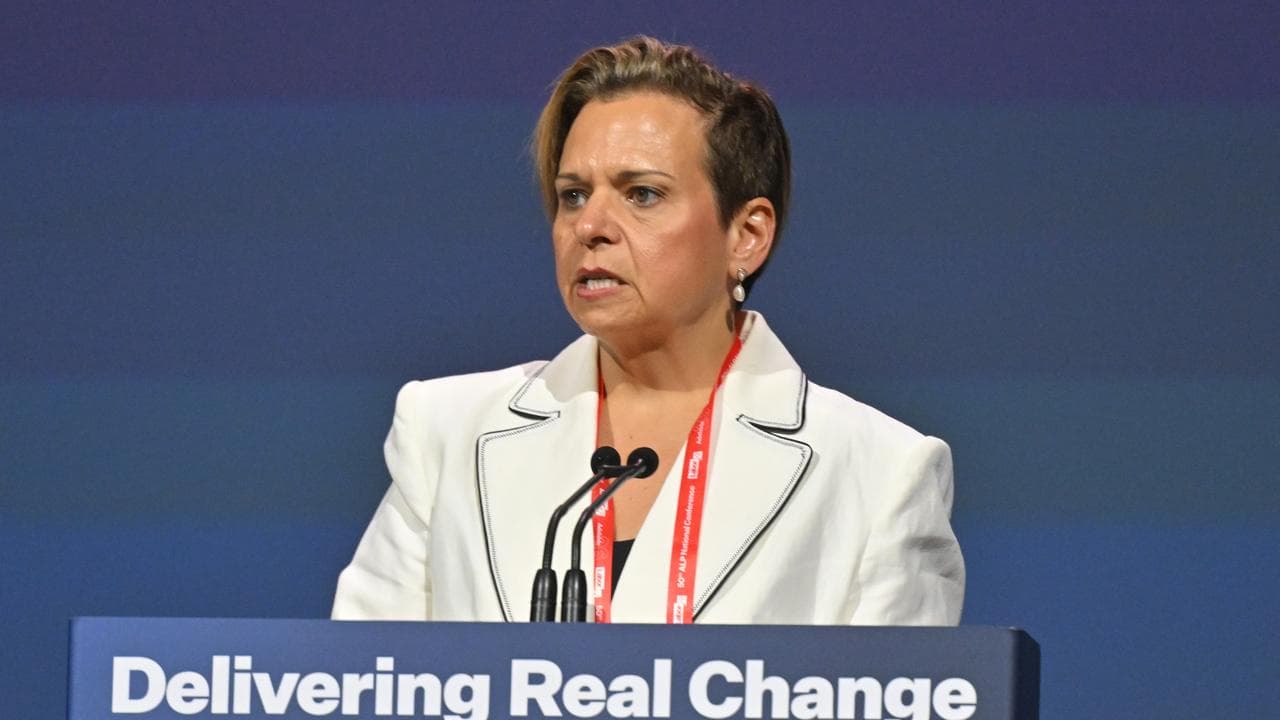
The government attempted to reform FOI laws in 2025, with Attorney-General Michelle Rowland calling the framework "stuck in the 1980s" and "not working well for anybody".
Ms Rowland introduced legislation in September to ease pressure on the system, allowing the government to refuse more requests, banning anonymous applicants and introducing a new fee.
However, after a backlash from integrity advocates and widespread political opposition, the bill was pulled in March.
Ms Rowland is yet to reveal Labor's plans for the shelved legislation.
Centre for Public Integrity executive director Catherine Williams said she held "significant concern" at the review findings, while calling for a renewed reform effort.
“We urge the government to take up the vital democratic task of fixing the FOI regime - with concerns having been long-expressed by both users and government - and making our information access regime suitable for the future," she told AAP.


