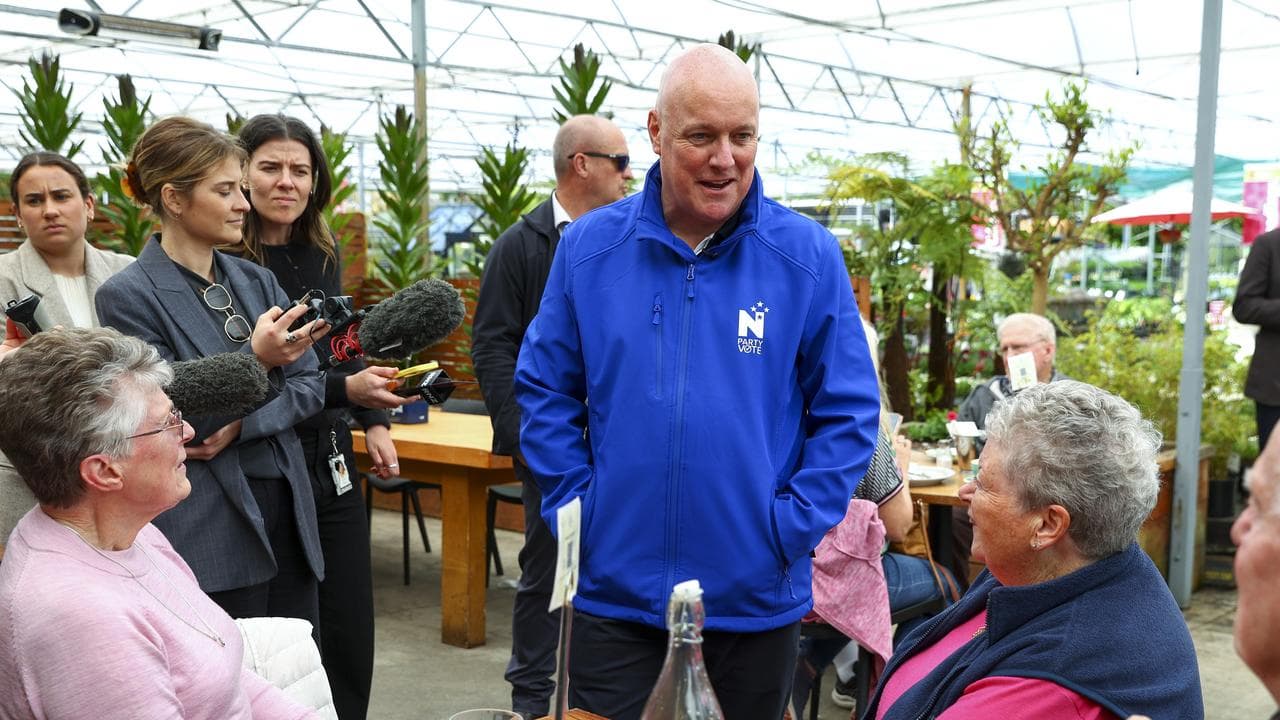
As New Zealand's election remains too-close-to-call, Prime Minister Chris Luxon has raised the spectre of Kiwis being without a government by year's end.
New Zealanders are off to the polls on November 7 in a contest to decide whether Mr Luxon's conservative coalition gets a second term.
The three-party government was formed after seven weeks of negotiations back in 2023 between the National, ACT and NZ First parties.
This time around, with crashing support for Mr Luxon's centre-right National and the emergence of centrist force Opportunity, the pathways to power for either a National-led or Labour-led coalition look fraught.
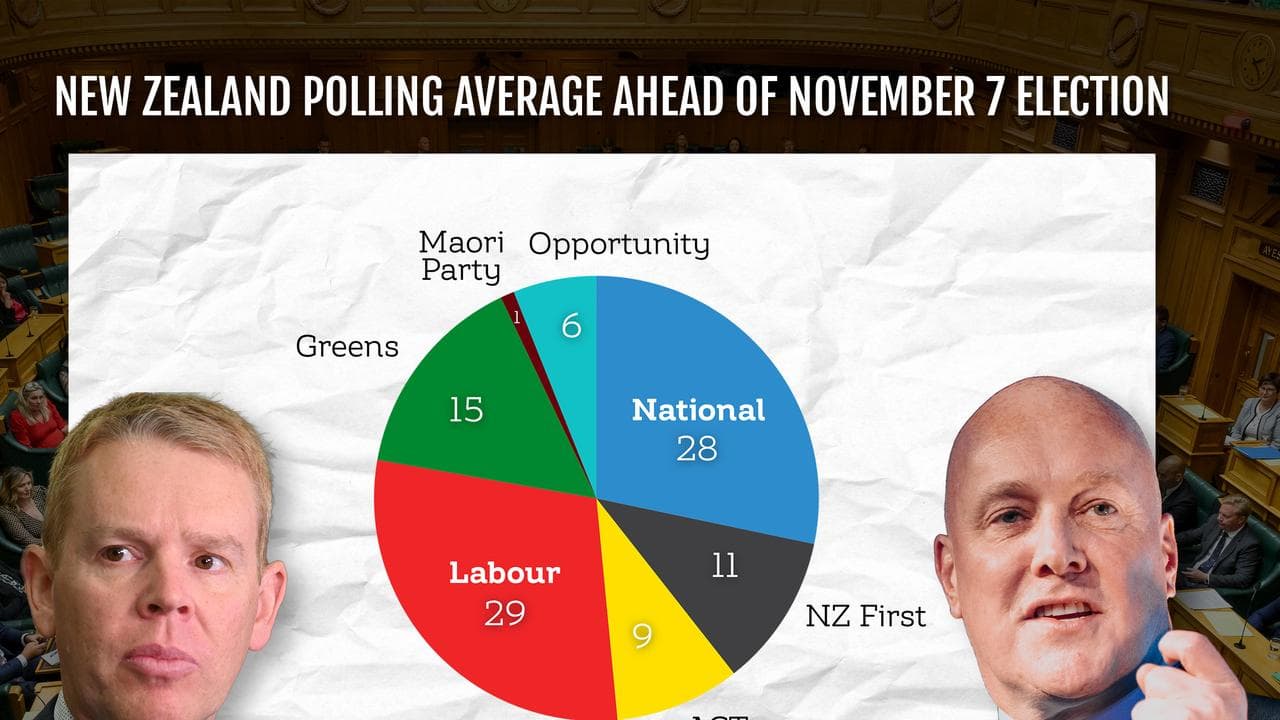
Parliamentary numbers will only be known after a three-week count on November 27.
Mr Luxon told Radio NZ on Monday he would "probably have to wait" until then before starting to negotiate a coalition.
"I'm hoping that we can get something put together before Christmas which would be ideal, but frankly, it will take as long as it takes," he said.
New Zealand's electoral system means major parties are forced to make deals with smaller parties, often at odds with their own agendas, to form stable governments.
That could mean offering minor parties ministries, making policy concessions, and sometimes, horse-trading with minor parties in the kingmaker position to secure the best deal.
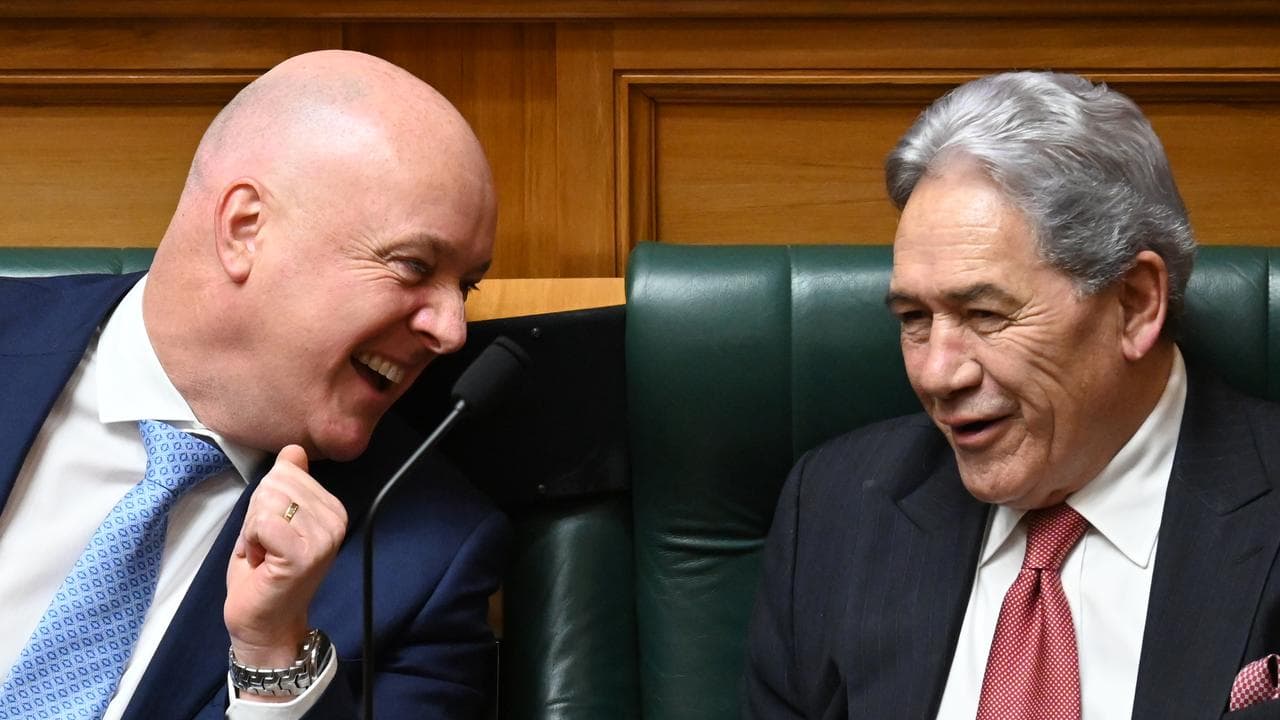
In the past, that role has most often been played by Winston Peters, the veteran leader of populist party NZ First.
Polls suggest at least seven parties will win seats: National, ACT, NZ First on the right, Labour, the Greens and the Maori Party on the left, and Opportunity.
A splintering of the Maori Party in specially-designated Maori seats could also mean other smaller parties or independents elected.
However, it's Opportunity which appears in the box seat to decide the next government, with its projected 7-10 MPs likely to be crucial for either the right or left blocs to command a majority.
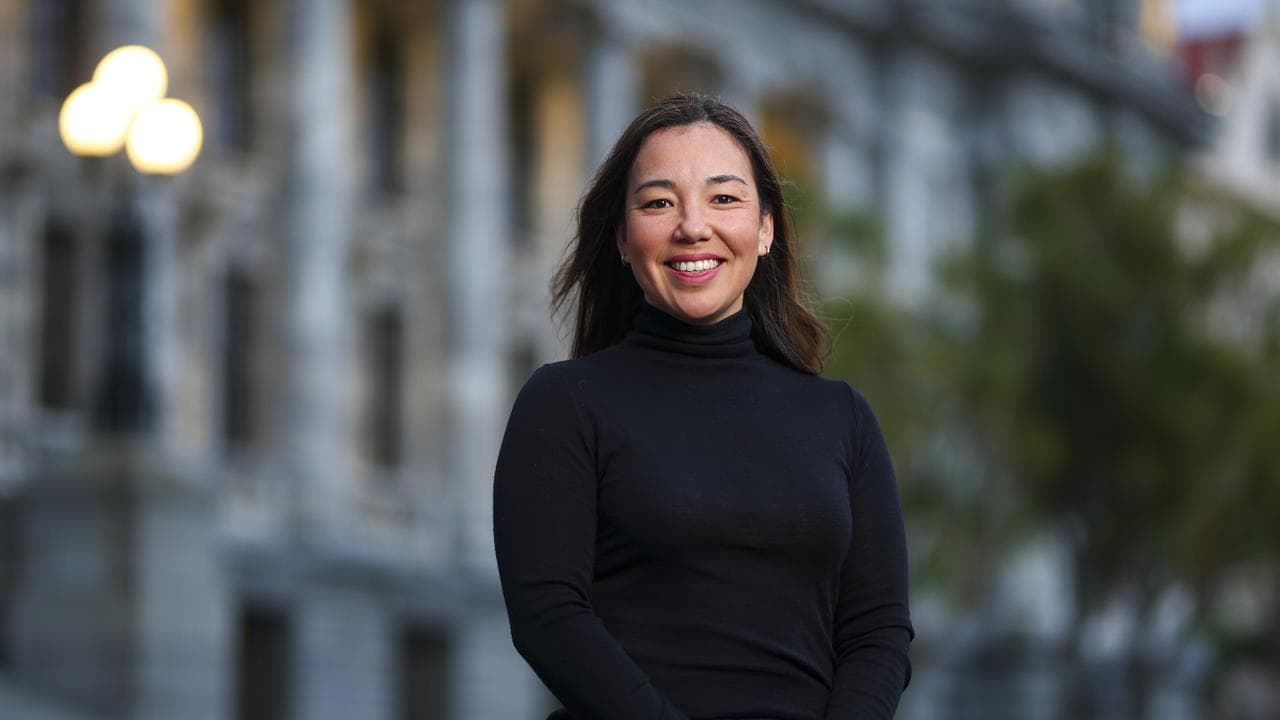
Leader Qiulae Wong, a mother-of-two consultant from Auckland, has made clear she is open to partnering with either side of politics.
The last first-time party to be itself in a similar position was Peter Dunne's United Future in 2002.
The 72-year-old offered two pieces of advice to Ms Wong, urging her to respect the popular choice of most voters, and not to reach for the stars with requests.
"They've said they will talk to the largest party first to to avoid the appalling spectacle we've had of Winston Peters having parallel negotiations with both and playing both off against each other," he told AAP.
"She may need to modify that position to say we'll talk to the larger bloc first, depending on how results go.
"The question then becomes: what role do they seek to play?"
Back in 2002, Mr Dunne opted to support Helen Clark's Labour to a second term through a confidence and supply agreement.
He suggests Ms Wong, if successful, should do the same.
"It's very tempting to go into a formal coalition and (in 2002) some of my new colleagues were quite keen that we should do that so they could become ministers," he said.
"I was very reticent on that score because ... you can't just walk in off the street and become a minister.
"They need to be very careful because it takes only one sort of slip up, and the whole show looks embarrassed.
"So I would say maybe just put the the option of a formal coalition to one side and look to a confidence and supply agreement. That gives you influence and gives you policies that you can push to have implemented by the government."


