The United States, Israel and Iran have agreed to a two-week ceasefire, reaching a deal less than two hours before President Donald Trump's deadline for Tehran to reopen the Strait of Hormuz or face the wiping out of "a whole civilisation".
The announcement late on Tuesday was an abrupt turnaround from Trump's extraordinary warning earlier, and came after mediation efforts by Pakistan's military chief, Field Marshal Asim Munir, and Prime Minister Shehbaz Sharif.
Sharif said he had invited Iranian and US delegations to meet in Islamabad on Friday.
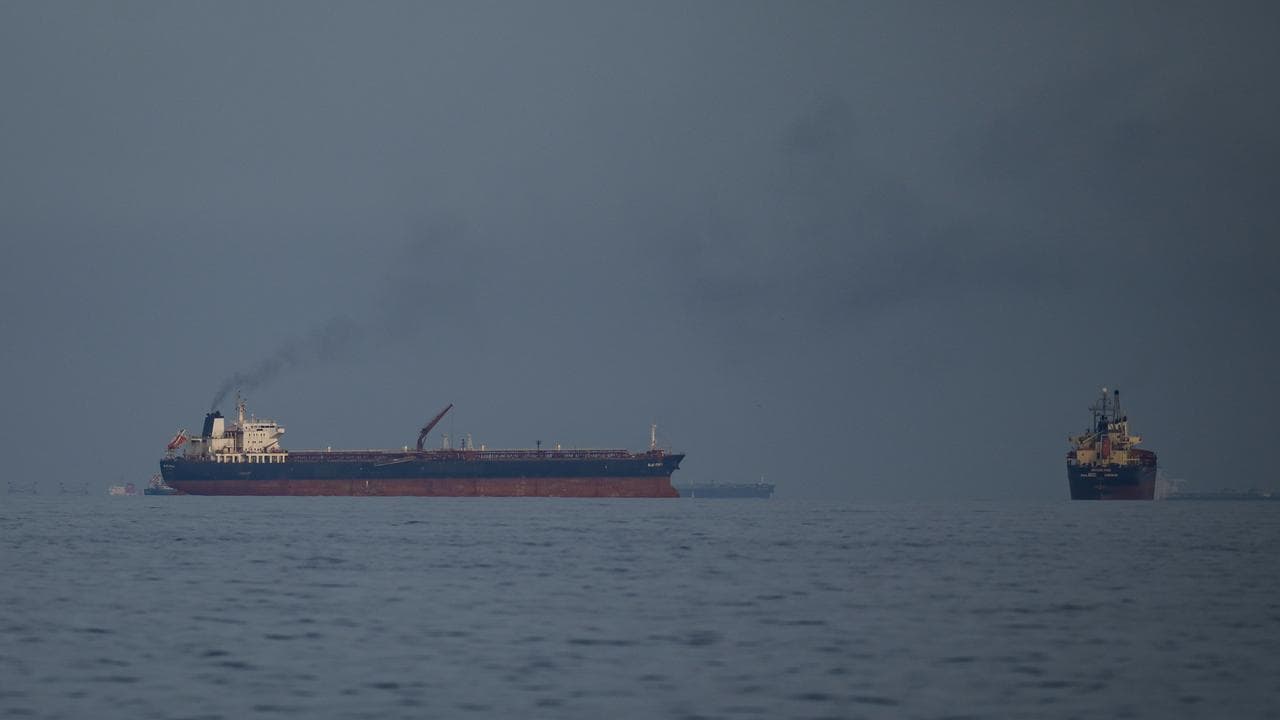
The eleventh-hour deal was subject to Iran's agreement to pause its blockade of oil and gas supplies through the strait, Trump said.
The waterway typically handles about one-fifth of global oil shipments.
Iranian Foreign Minister Abbas Araqchi said Tehran would cease counter-attacks and provide safe passage through the waterway if attacks against it stopped.
Israel supported the decision to suspend strikes on Iran for the two-week period, Prime Minister Benjamin Netanyahu's office said.
The ceasefire did not apply to Lebanon, it said, in an apparent contradiction to comments from Sharif, who had said the agreement included a cessation of Israel's campaign in Lebanon.
"This will be a double sided CEASEFIRE!" Trump wrote on his Truth Social platform.
"The reason for doing so is that we have already met and exceeded all Military objectives, and are very far along with a definitive Agreement concerning Longterm PEACE with Iran, and PEACE in the Middle East."
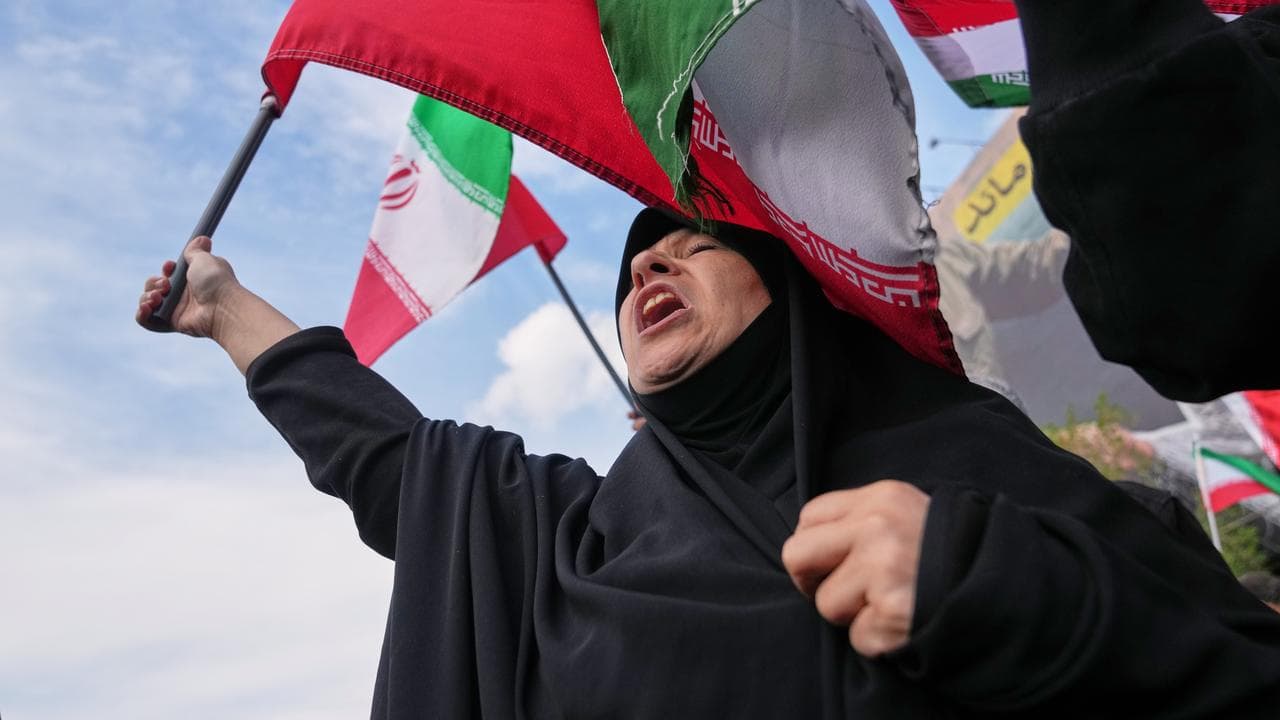
Iran's Supreme National Security Council portrayed the deal as a victory over the US, claiming Trump had accepted Iran's conditions for ending hostilities.
Trump told the French news agency AFP that the ceasefire was a "total and complete victory. One hundred per cent. No question about it."
Iran could start the reconstruction process and the US would help in traffic build-up in the Strait of Hormuz, Trump later posted on social media.
The war, now in its sixth week, has claimed more than 5000 lives in nearly a dozen countries, including more than 1600 civilians in Iran, according to governments and human rights groups.
Lebanese state news agency NNA reported continued Israeli strikes across southern Lebanon, including artillery shelling and a dawn air strike on a building near a hospital that killed four people.
It was not immediately clear how soon the ceasefire elsewhere would take full effect.
Israeli media said it would begin once Iran reopened the strait and that Israel expected Iranian attacks to continue in the interim.
Iraq's Islamic Resistance also said it would suspend operations in Iraq and across the region for two weeks.
Trump, who has issued a series of threats in recent weeks only to back away, said progress between the two sides had prompted him to agree to the ceasefire.
He said Iran had presented a 10-point proposal that was a "workable basis" for negotiations and he expected an agreement to be "finalised and consummated" during the two-week window.
Markets enjoyed a relief rally as oil prices dropped, stocks surged and the US dollar weakened, bolstered by hope that trade through the strait could resume.

Global leaders welcomed the ceasefire, with German Chancellor Friedrich Merz saying "the aim now must be to negotiate a lasting end to the war in the coming days".
Trump's announcement capped a whirlwind day that was dominated by his threat to destroy every bridge and power plant in Iran unless Tehran reopened the strait.
That rattled global markets and drew widespread condemnation, including criticism from the head of the United Nations and Pope Leo.
Some international law experts have said attacking civilian infrastructure indiscriminately could constitute a war crime.
The closure of the Strait of Hormuz has sharply increased oil prices, escalating the chances of a global economic downturn or even recession.
Polls show most Americans are opposed to the war and frustrated by rising fuel costs, with Trump's Republican Party at risk of losing its majorities in Congress in midterm elections in November.


