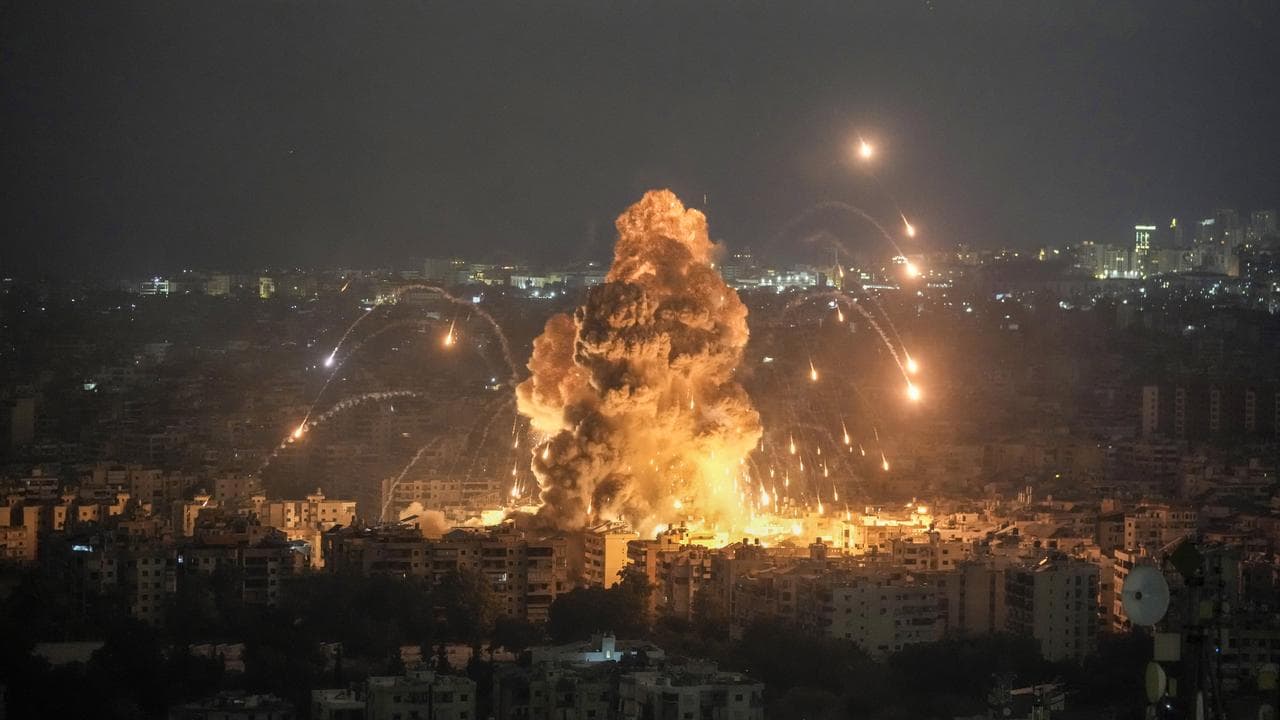
At least 10 people have been killed as Israel carried out several air strikes on southern Lebanon, while Hezbollah says it fired rockets and drones at northern Israel wounding two soldiers.
Israel’s military and Hezbollah kept up their attacks despite a ceasefire in place since April 17.
Israel’s military on Friday urged residents of the Lebanese village of Habboush near the southern city of Nabatiyeh to evacuate, warning those close to Hezbollah’s facilities would be in danger.
An air strike on Habboush that occurred around the time of the warning killed six, including a woman and a child, and wounded eight, the Health Ministry said.
The state-run National News Agency reported four people were killed in strikes on three other southern villages.
By Friday afternoon, Hezbollah had issued statements saying it launched drones and rockets at Israeli military positions.
The Israeli military confirmed Hezbollah launched an explosive drone that fell in northern Israel near the border with Lebanon.
Israeli media reported a drone strike near Margaliot in northern Israel caused a fire, and that two soldiers were lightly wounded in a separate Hezbollah drone impact in the area.
Friday’s exchanges came after paramedics in southern Lebanon recovered the bodies of five people, including a man and his three sons, from under rubble in the village of Kfar Rumman, also near Nabatiyeh, a day after they were killed.
Despite the war, residents have continued to return to homes in southern Lebanon after being displaced for weeks because of the hostilities.
One of them was Umm Ali Khodor, whose apartment in the southern port city of Tyre was damaged during the previous Israel-Hezbollah war in 2024 and again in the current conflict.
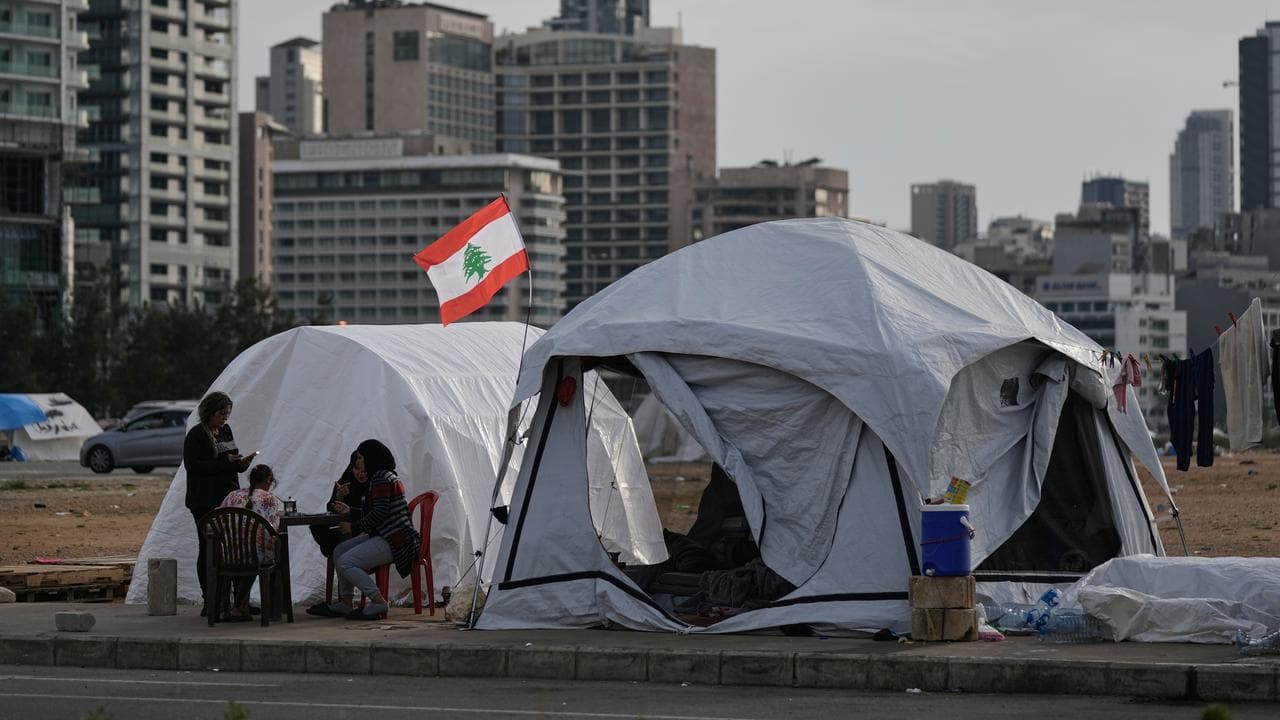
“We were displaced, we rented a house, but as you know the situation is very difficult,” the woman said. “We could not continue so we returned to our home.”
At Jabal Aamel hospital in Tyre, one of the few in the area that are still functioning, director Wael Mroueh said many of the wounded they are treating are people who initially fled but decided to return and take their chances in areas facing periodic bombardment.
Many of the hospital’s staff are also displaced, and the medical facility is hosting them and their families to ensure that it can continue to operate.
The hospital has enough food and supplies to last for a month, Mroueh said, and is relying on international organisations to maintain its supply chain.
A senior official with the International Federation of Red Cross and Red Crescent Societies condemned the targeting of Red Cross volunteers during the Israel-Hezbollah war.
IFRC Under Secretary General for National Society Development and Coordination Xavier Castellanos Mosquera, who was visiting Lebanon, said that two Lebanese Red Cross volunteers have been killed and 18 others wounded by Israeli strikes.
More than 100 health workers in total have been killed in Lebanon during the war, according to the country’s health ministry.
Mosquera told The Associate Press that Red Cross volunteers in southern Lebanon have described hugging each other before departing on a call “because they don’t know if they will return.”
Israel has denied it deliberately targets health facilities and emergency workers.
The latest war between Israel and Hezbollah began on March 2, when Hezbollah fired rockets into northern Israel two days after the United States and Israel launched a war on its main backer, Iran.
Israel has since carried out hundreds of air strikes and launched a ground invasion of southern Lebanon, capturing dozens of towns and villages along the border.
A 10-day ceasefire declared in Washington went into effect on April 17. The ceasefire was later extended by three weeks.


