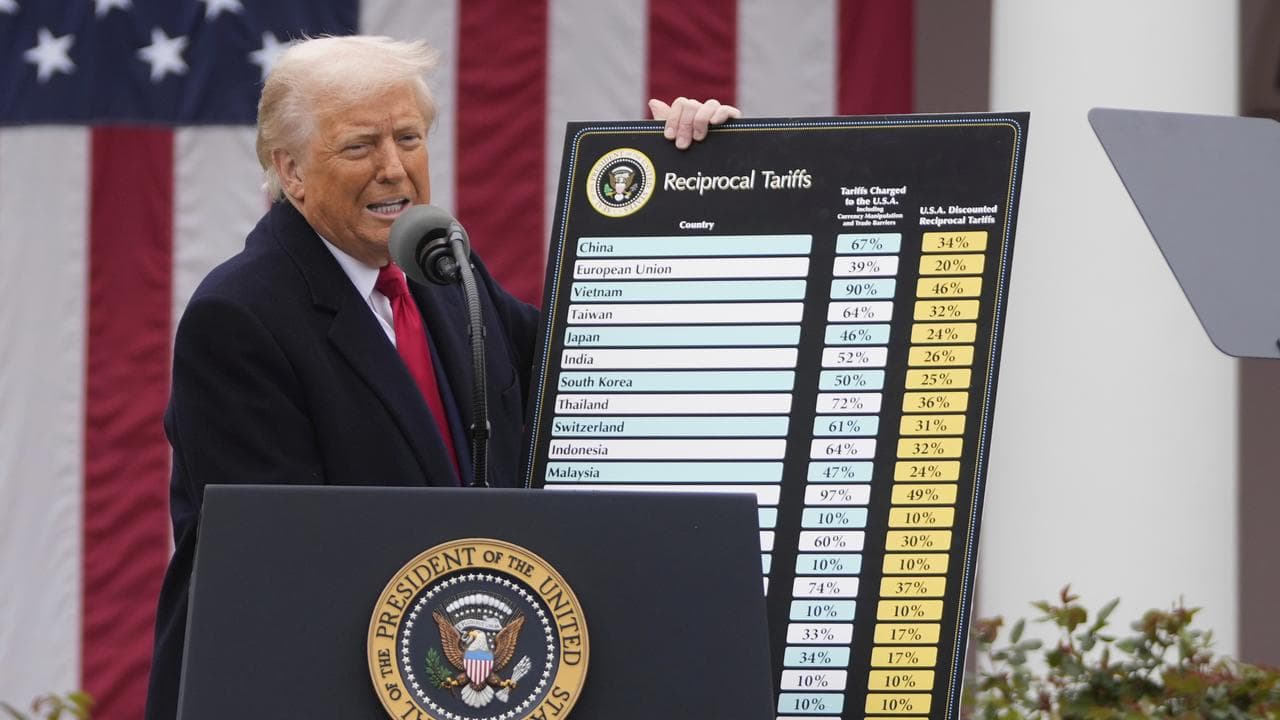
Donald Trump's administration has asked the US Supreme Court to hear a bid to preserve his sweeping tariffs pursued under a 1977 law meant for emergencies, after a lower court invalidated most of the levies that have been central to the Republican president's economic and trade agenda.
The Justice Department on Wednesday appealed an August 29 ruling by a federal appeals court that the president overstepped his authority in invoking the law known as the International Emergency Economic Powers Act, undercutting a major Trump priority in his second term.
The tariffs currently remain in effect as the appeals court paused its order to give the administration time to seek Supreme Court review.
The levies are part of a trade war instigated by Trump since he returned to the presidency in January that has alienated trading partners, increased volatility in financial markets and fuelled global economic uncertainty.
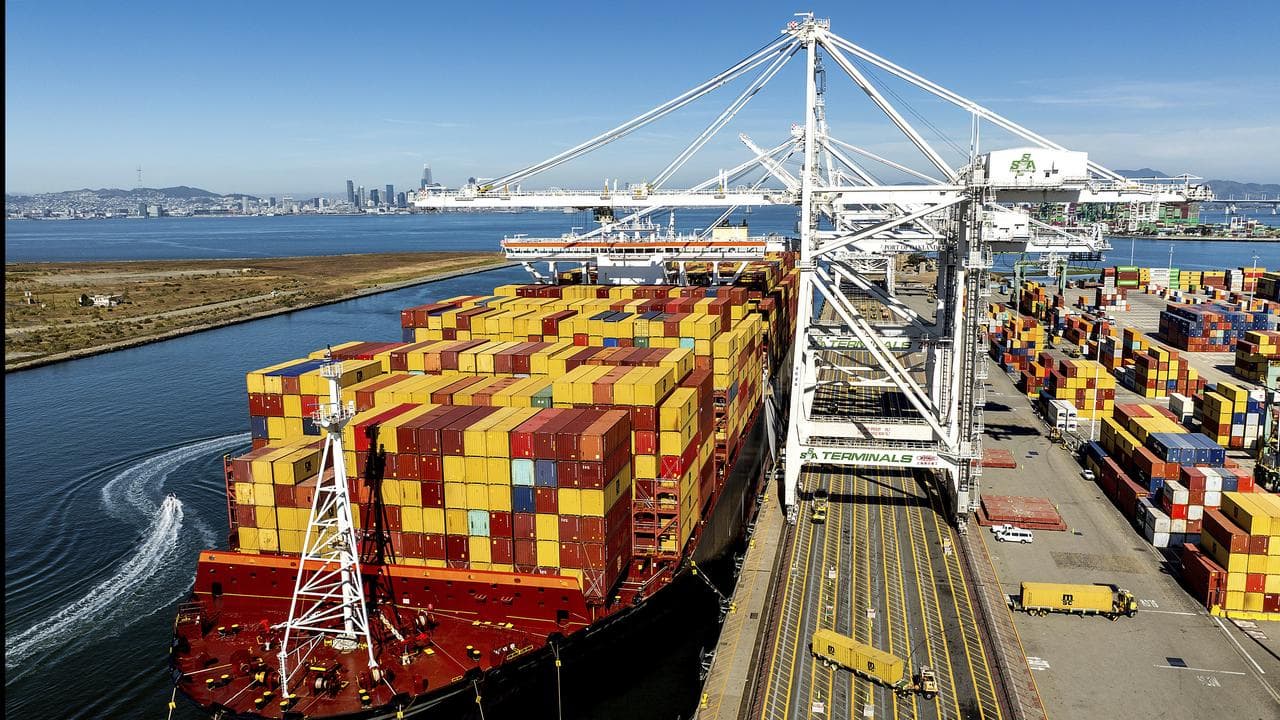
Trump has made tariffs a pillar of US foreign policy, using them to exert political pressure and renegotiate trade deals and extract concessions from countries that export goods to the United States.
The litigation concerns Trump's use of the act to impose what the president calls "reciprocal" tariffs to address trade deficits in April, as well as separate tariffs announced in February as economic leverage on China, Canada and Mexico to curb the trafficking of fentanyl and illicit drugs into the US.
The act gives the president power to deal with "an unusual and extraordinary threat" amid a national emergency and had historically been used for imposing sanctions on enemies or freezing their assets. Prior to Trump, the law had never been used to impose tariffs.
Trump's Department of Justice has argued the law allows tariffs under emergency provisions that authorise a president to "regulate" imports or block them completely.
The appeals court ruling stems from two challenges, one brought by five small businesses that import goods, including a New York wine and spirits importer and a Pennsylvania-based sport fishing retailer.
The other was filed by 12 US states - Arizona, Colorado, Connecticut, Delaware, Illinois, Maine, Minnesota, Nevada, New Mexico, New York, Oregon and Vermont - most of them governed by Democrats.
The Constitution grants Congress, not the president, the authority to issue taxes and tariffs, and any delegation of that authority must be both explicit and limited, according to the lawsuits.
The US Court of Appeals for the Federal Circuit in Washington DC agreed, ruling that the president's power to regulate imports under the law does not include the power to impose tariffs.
The administration's appeal comes as a legal fight over the independence of the Federal Reserve also seems bound for the Supreme Court, setting up a potential legal showdown over Trump's entire economic policy in the months ahead.


