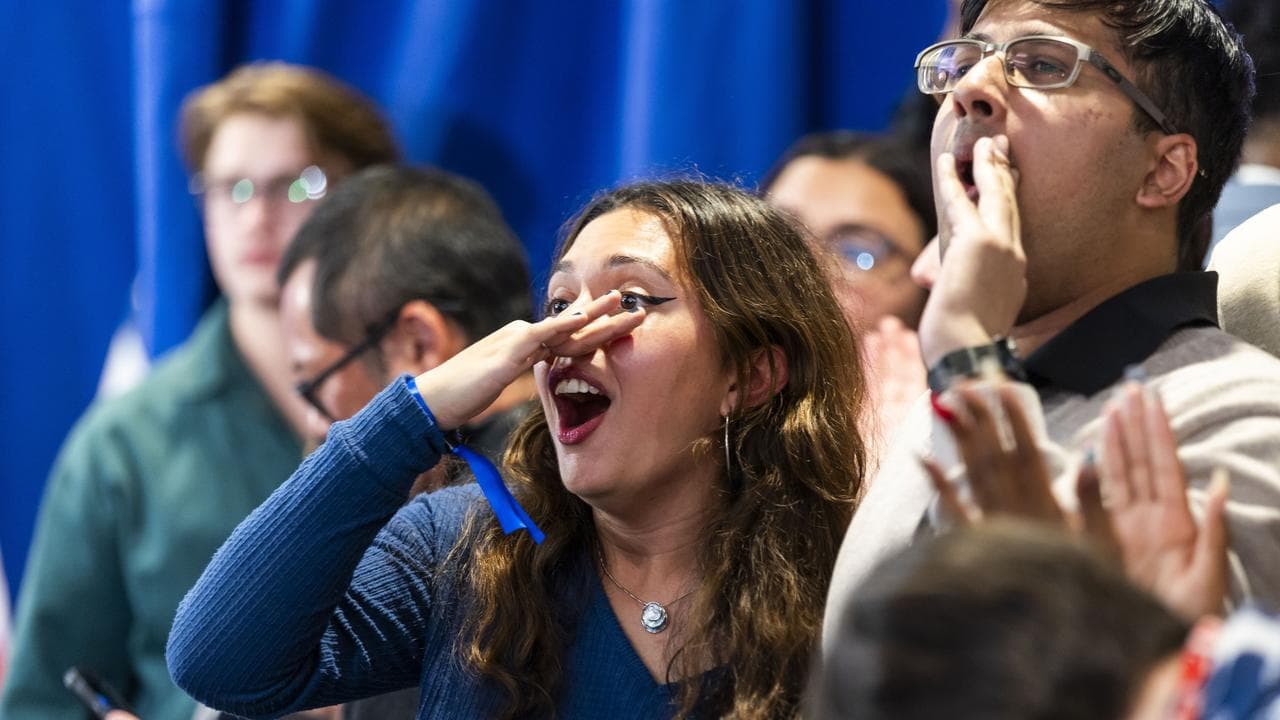
US President Donald Trump has accepted the Iran war played a role in the Republicans' staggering midterm election losses, as the Democrats prepare to take control of Congress and challenge his legislative agenda.
In an interview with Fox News, Trump said the Middle East conflict had weighed on Republican candidates, even as voters backed his handling of it.
"I think a part of it was Iran, but at the same time people understood the importance of what I've done with Iran," the 80-year-old said, as he entered his final two years in office as a lame duck leader.
Democrat candidates flipped Republican-held Senate seats in North Carolina, Ohio, Iowa, Texas, South Carolina and Kansas, where the president had personally chosen his party's nominees or tried to rally voters on their behalf with campaign stops.
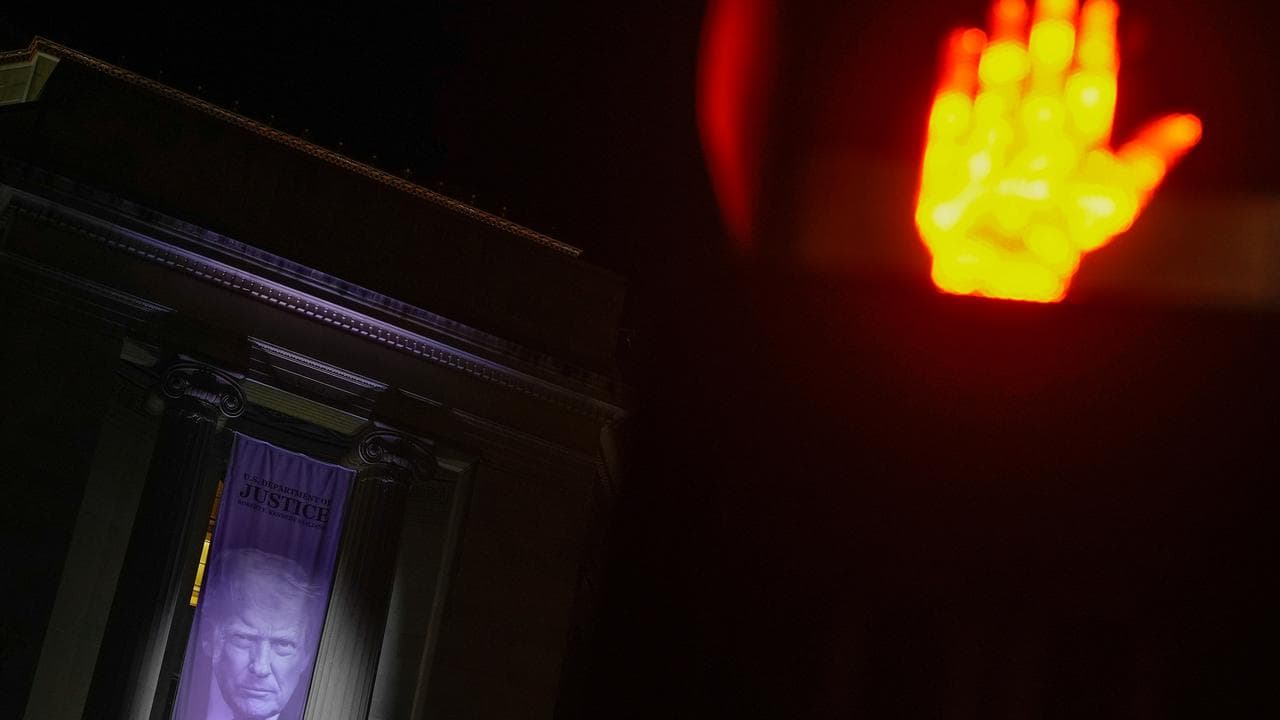
Trump’s hand-picked Republican candidates in Texas and South Carolina faced deep scepticism.
Republican Darline Graham, the sister of the late Senator Lindsey Graham, lost to Democrat Annie Andrews in South Carolina after facing questions about her inexperience during her campaign.
Republican Ken Paxton, who lost to Democrat James Talarico in Texas, was impeached by his own party in 2023 over corruption accusations and stained by a very public divorce.
But Trump backed him instead of powerful senator John Cornyn, whom he viewed as not sufficiently supportive.
Trump’s loyalty pressures also led incumbent Republican senator Thom Tillis in North Carolina to decide to retire after clashing with the president.
To try to keep that seat in Republican hands, Trump backed his close ally Michael Whatley, who lost to Democrat Roy Cooper.
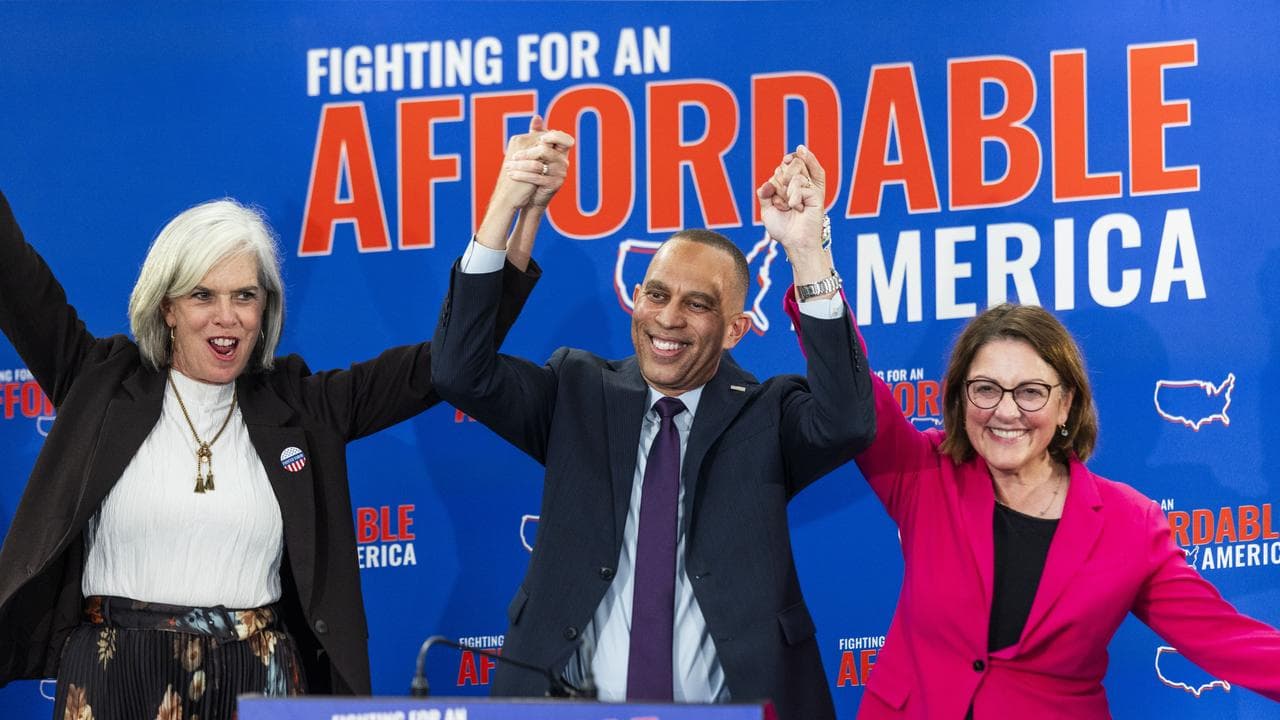
Even candidates who sought to distance themselves from Trump were unable to escape voters' wrath.
In Maine, Republican incumbent Susan Collins had her 30-year Senate career end on Tuesday, despite emphasising her willingness to break with the president during the campaign.
Trump was also dealt twin defeats in two midwestern states that had borne the brunt of high diesel prices and his tariff war: Democrat Adam Hamilton defeated Republican Roger Marshall in Kansas, while Republican Ashley Hinson lost to Democrat Josh Turek in Iowa.
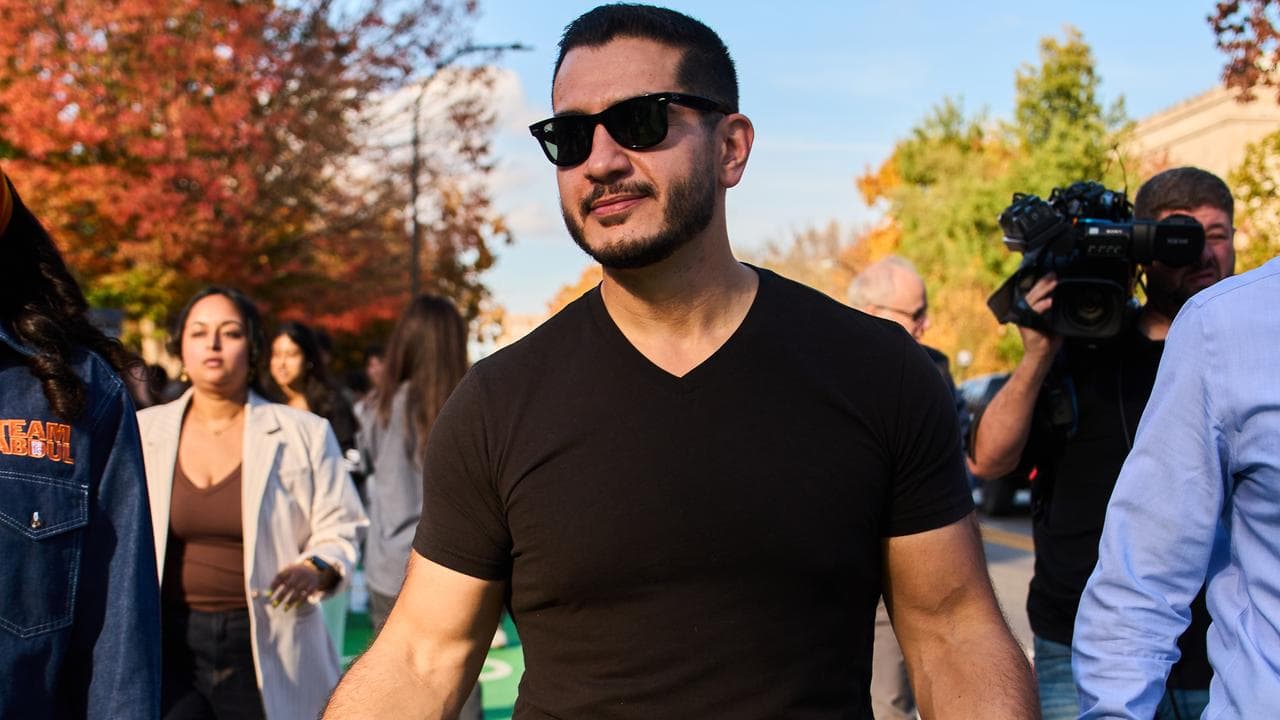
A keenly watched race in Michigan went to Democrat Abdul El-Sayed, who triumphed over Republican Mike Rogers to become the first Muslim elected to the US Senate - and noted in his victory speech to supporters how his opponents had attacked his difference to them.
In Ohio, Democrat Sherrod Brown regained the Senate seat that he lost two years ago, defeating appointed Republican Senator Jon Husted in a state where Trump and Vice-President JD Vance repeatedly campaigned.
With Husted, Trump had an odd fixation on his physique, frequently admiring the former football player’s body during campaign rallies in Ohio and elsewhere around the country.
Democrats also retained a key Senate seat in Georgia, where another one of Trump's endorsed candidates faced controversy.
In that race, Democrat Jon Ossoff defeated Republican Mike Collins, a Trump acolyte who struggled to defend against his ties to white nationalists and an unresolved House ethics investigation.
In another sign of Republican weakness, Democrat Gina Hinojosa defeated Texas Governor Greg Abbott, whom Trump had endorsed and repeatedly praised.
Trump placed himself front and centre in voters’ minds, urging voters to pretend he was on the ballot, which was a major gamble.
He told Fox he would accept the election results and congratulated the Democrats for their string of victories.
“The Democrats did a good job. They fought hard," he conceded.
But he maintained the midterms were not a referendum on him, saying: "I don’t view it as a hit on me."

The results leave Trump - who watched the results roll in from the White House - with dramatically diminished political capital at home and abroad.
A Democratic majority will be armed with control of committees, bigger budgets and staff, and subpoena powers that could compel the administration to be responsive to Congress.
The president is also bracing for major legislative fights, saying he had a “strong veto" to use when Democrats sent "insane" bills to his desk.
"And after a couple of months of vetoes, they'll call and they'll say, 'How do we get this stuff done?' And we'll work together."
With AP


