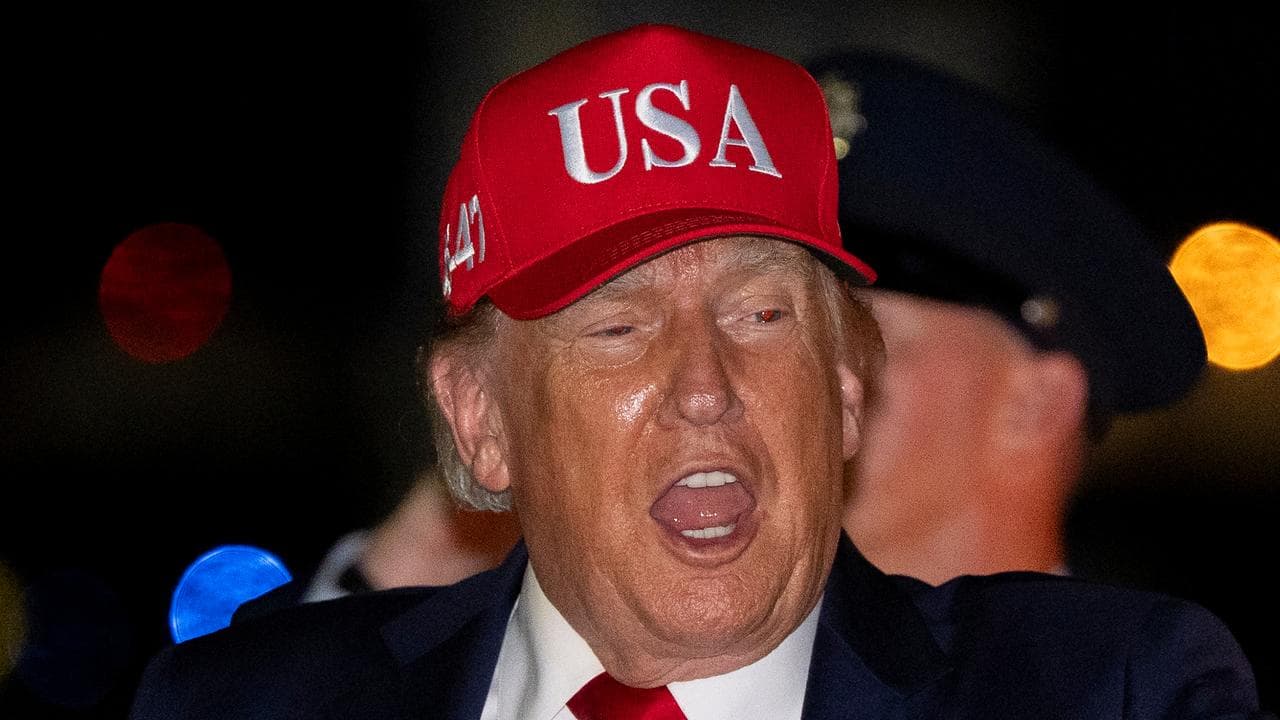
US President Donald Trump has threatened to take action against the European Union if it moves forward with European Commission President Ursula von der Leyen's proposal to make Canada the bloc's first associate member.
"If they do that, if I think it's at all a hostile act, I will put very serious tariffs or stop trading with Europe on many things," Trump told reporters on the way to an event in North Carolina, calling the proposal "laughable".
"If it's a good intention, that's fine. If it's a bad intention, we'll put very heavy tariffs on Europe," he said.
The European Commission said von der Leyen's proposal - which is yet to be fleshed out and will need to be approved by EU member states to go forward - was not a hostile act.
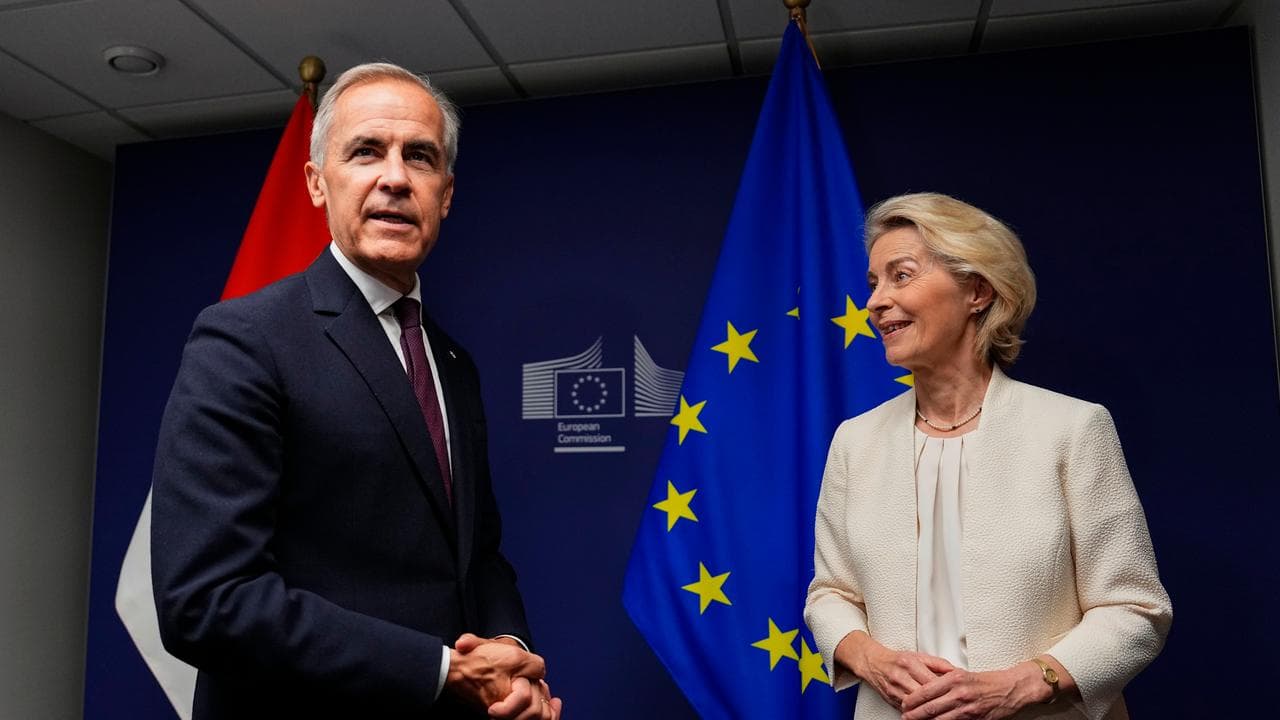
"As our President (von der Leyen) made clear yesterday, the proposed strengthening of our partnership with Canada is not against anyone else, but for our common strength," said Olof Gill, a European Commission spokesman.
France's Europe Minister Benjamin Haddad said the United States had no power to veto the EU's geopolitical choices.
"It is not up to the United States - or anyone else - to choose the political and geopolitical direction of the Europeans," he told Public Senat TV.
Von der Leyen made the proposal on Wednesday during her annual State of the Union speech, attended by Canadian Prime Minister Mark Carney, as she sought to deepen ties among allies in what she called "an openly hostile world".
The EU faces the risk of war on its borders due to Russia's invasion of Ukraine, while both the bloc and Canada have grappled with trade tensions with the United States and an increasingly assertive China.
Earlier in September, Carney had said he was seeking a "unique alliance" with the EU as relations between Ottawa and Washington have deteriorated since Trump's return to the White House, leading to tariffs on tens of billions of dollars in cross-border trade.
Carney is due to address the European Parliament on Thursday morning.
It is unclear at this stage whether von der Leyen's proposal of associate membership would be backed by EU member states or by Canada.
One EU diplomat expressed surprise on Wednesday at the proposal, saying "nobody really knows what it means", adding there were concerns that the European Commission chief "is over-promising and won't be able to deliver".
The EU has historically resisted such flexible alliances that have no legal status.


