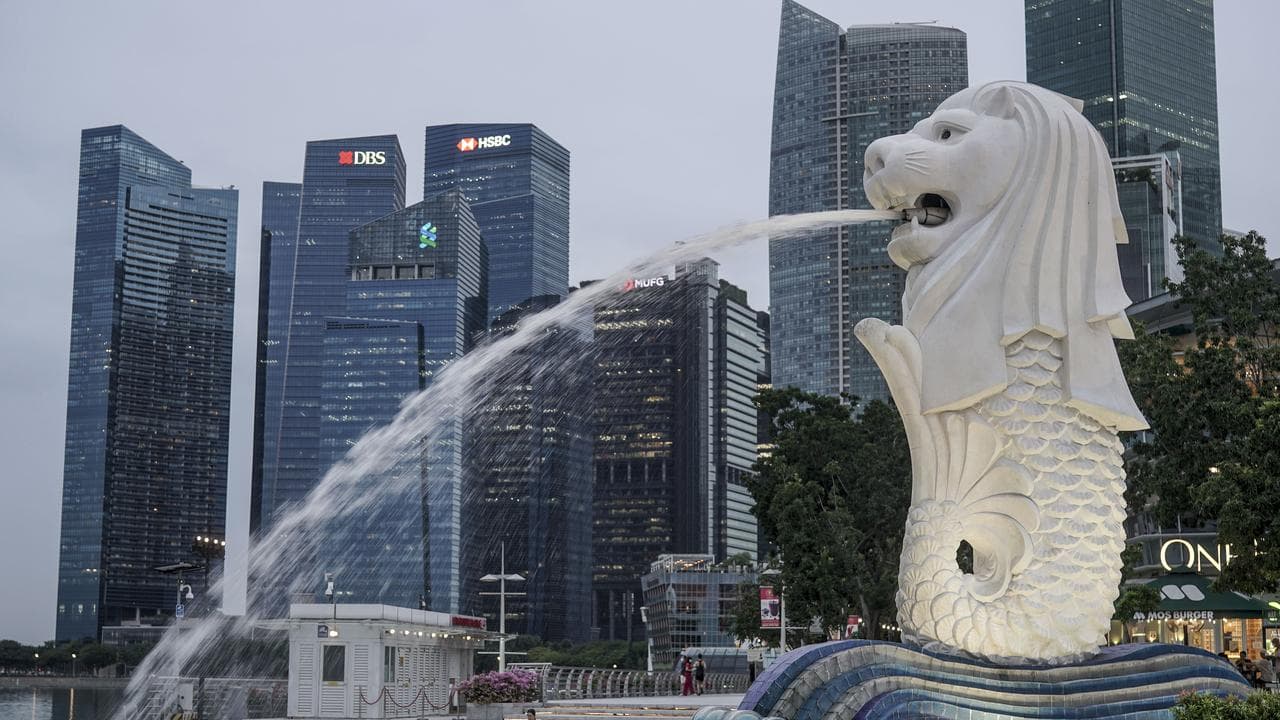
Australia and Southeast Asia must build on their longstanding trust and partnerships to capitalise on lucrative opportunities, amid global uncertainty and growing geopolitical tension.
At the opening of the Australia-ASEAN business forum in Adelaide on Tuesday, political and business leaders emphasised the need to move from discussing opportunities to delivering commercial outcomes for both regional neighbours.
The forum is addressing the region’s key economic challenges and opportunities, including energy security and the energy transition, digital technology and artificial intelligence, and agriculture and food security.
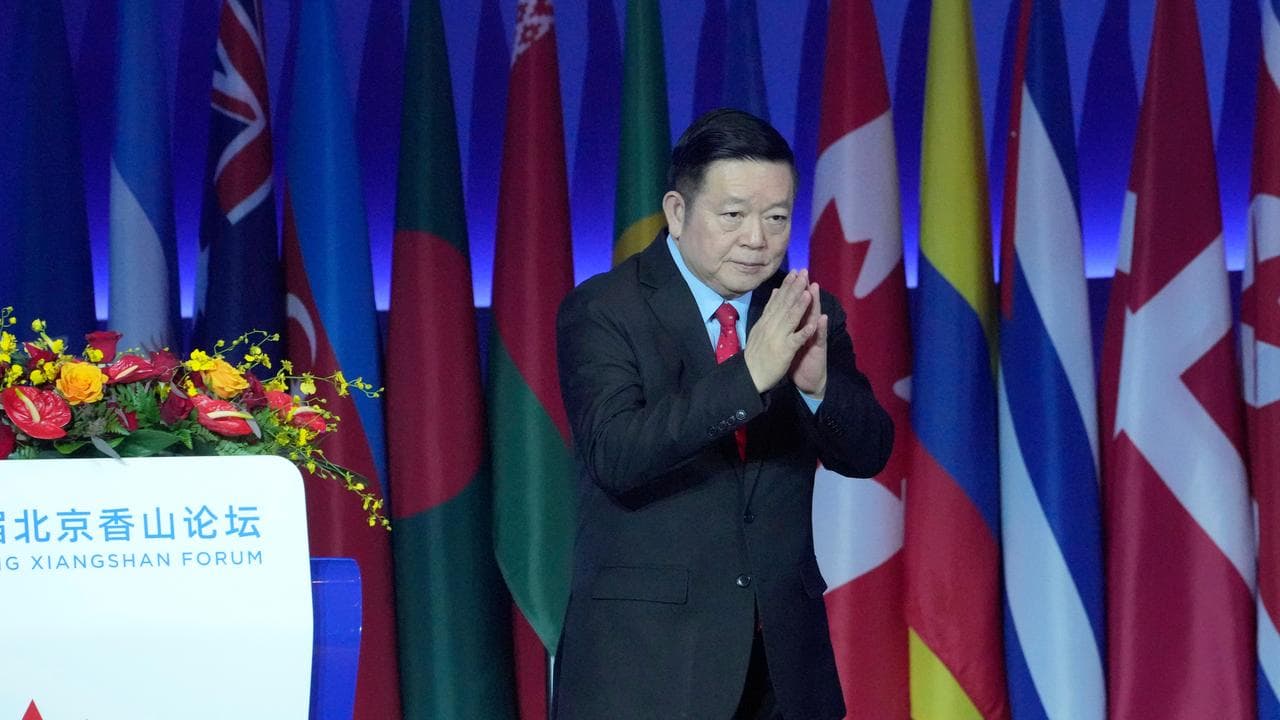
ASEAN Secretary-General Kao Kim Hourn said global tensions were testing the resilience of established systems.
Supply chains were being reconfigured, not just for efficiency, but increasingly for resilience, security and strategic confidence, Dr Kao said.
Reinforcing an open, rules-based trade and investment framework remains the backbone of ASEAN-Australian economic relations, built on two decades of steady work.
“In a time of uncertainty and economic rivalry ... open markets, transparency, predictable rules, and trusted partnerships carry real weight,” he said.
Energy disruptions had shown energy security and a green transition must advance together.
“Achieving this will require investment scale, technological innovation, stronger regional connectivity, and effective public-private engagement and partnerships,” Dr Kao said.
Business Council of Australia chief executive Bran Black noted Southeast Asia was Australia’s second largest trading partner and trade reached $200 billion in 2025.
“We have a clear roadmap here in Australia to take that relationship further, but strong foundations don't automatically deliver better outcomes,” he said.
“In a less predictable world, strong regional economic relationships are not simply an opportunity for growth, they are also a source of resilience at a time when it is needed.”
Competitive investment settings, deeper regional capability, and sustained commitment from business and government were needed to deliver on the relationship’s potential.
“The next phase of Australia's economic relationship with ASEAN must translate strategies and agreements into tangible commercial outcomes, projects financed, supply chains strengthened, skills developed, and businesses growing together,” Mr Black said.
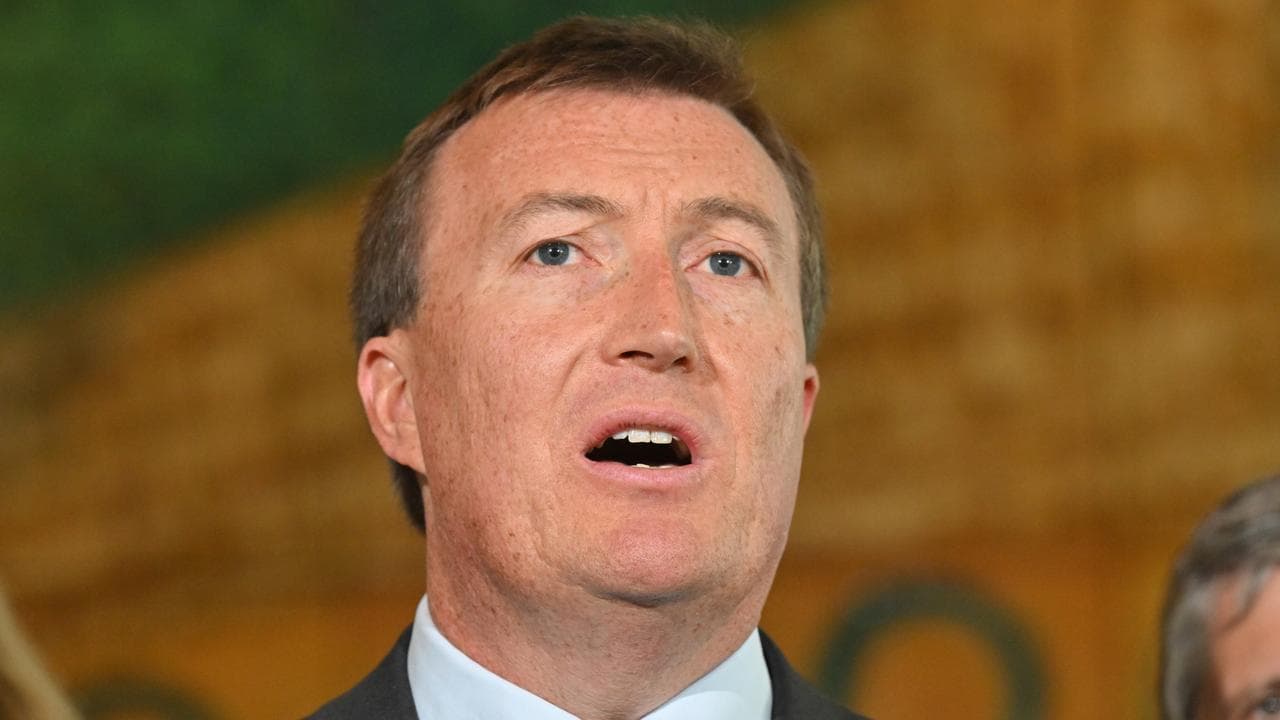
Tracey Winters, chief strategy officer at energy company Santos, said a predicted rise in LNG demand in ASEAN nations of 182 per cent over the next decade meant Australia’s established gas industry could build a much deeper energy relationship.
“The opportunity is to build supply chains that run in both directions, to invest together, develop projects together, build capability together, and make the region's energy system more resilient,” she said.
The scale of the opportunity was enormous, she said.
Southeast Asia’s energy demand would be dramatically larger, and Australia's position would be remarkably close to the centre of that growth.
“The opportunity is for us to build a deeper energy partnership, based on the recognition that our prosperity is interconnected,” she said.
Forum speakers are focusing on collaboration on renewable and conventional energy, critical minerals, infrastructure, technology and investment to strengthen regional energy security.


