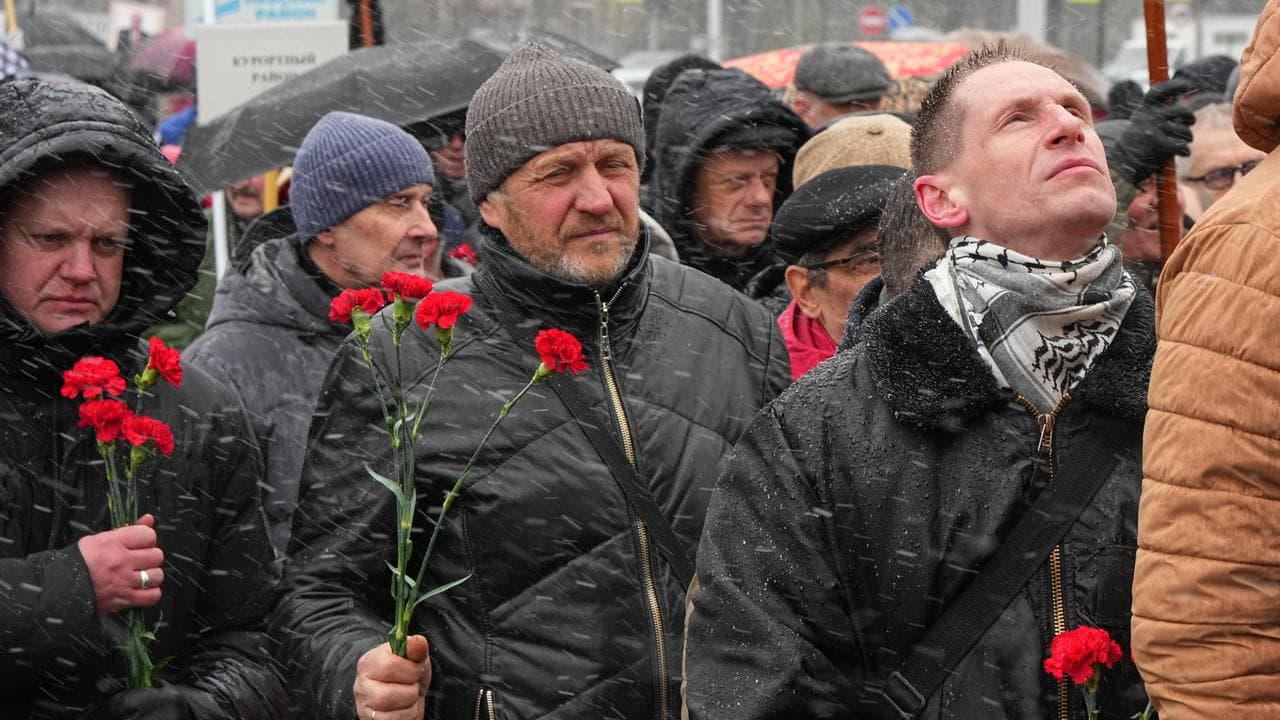
Strikes across Ukraine, Russian-occupied territory and Russia over the past day have killed at least 16 people, as the 40th anniversary of the Chernobyl nuclear disaster prompts new warnings about attacks near the plant.
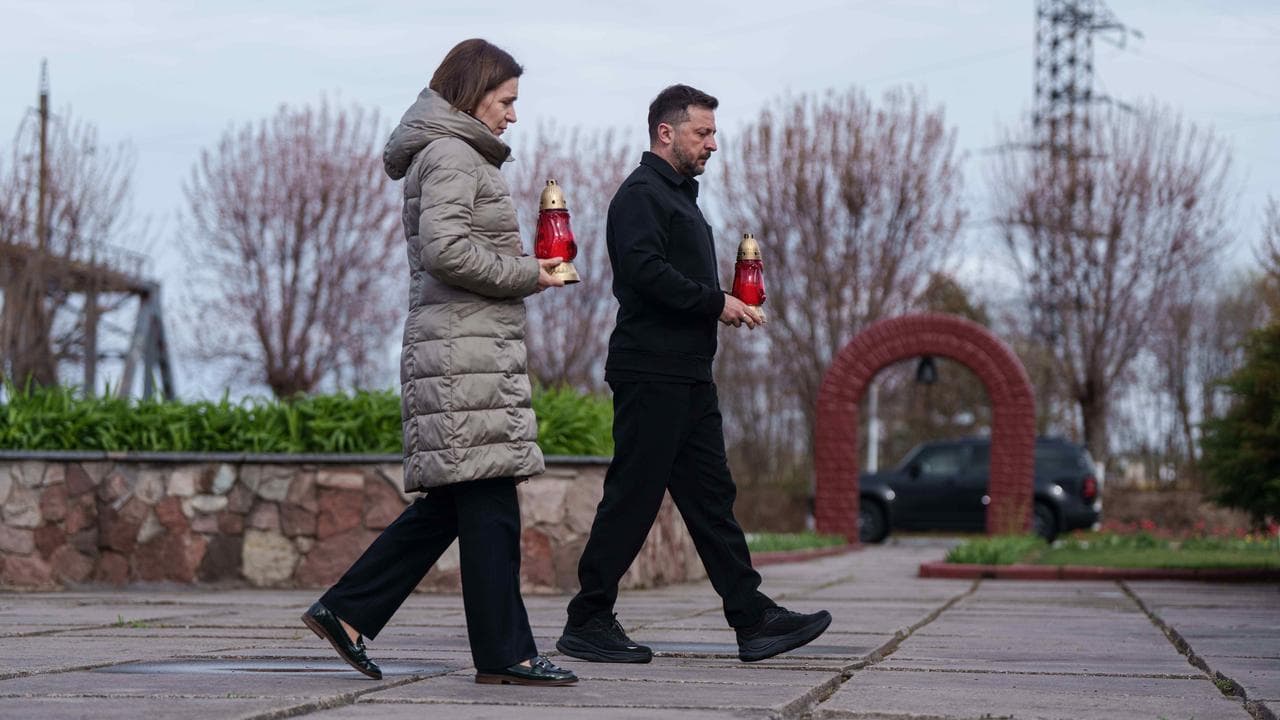
Ukraine’s President Volodymyr Zelenskiy marked the anniversary with a warning that Russian attacks risk repeating history.
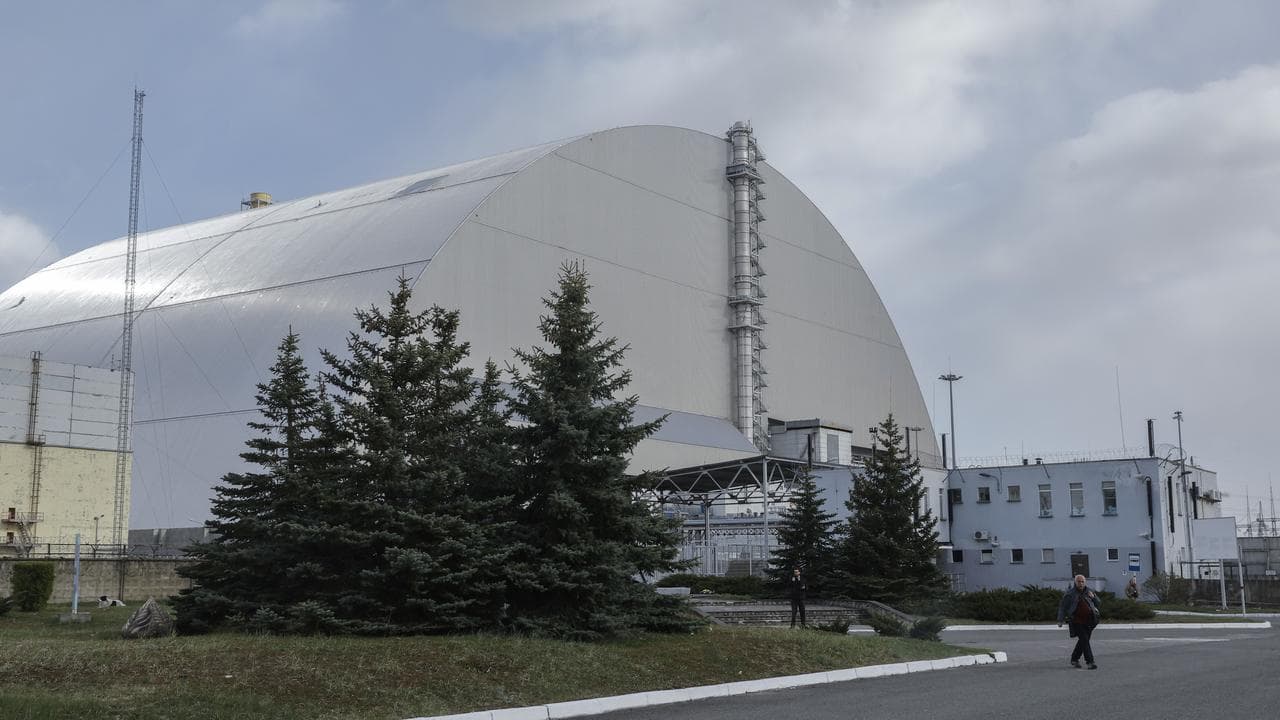
“Russia is once again bringing the world to the brink of a man-made disaster - Russian-Iranian Shaheds regularly fly over the plant, and one of them struck the confinement last year,” he wrote on Facebook, referring to Iran-designed drones.
“The world must not allow this nuclear terrorism to continue, and the best way is to force Russia to stop its reckless attacks,” Zelenskiy said.
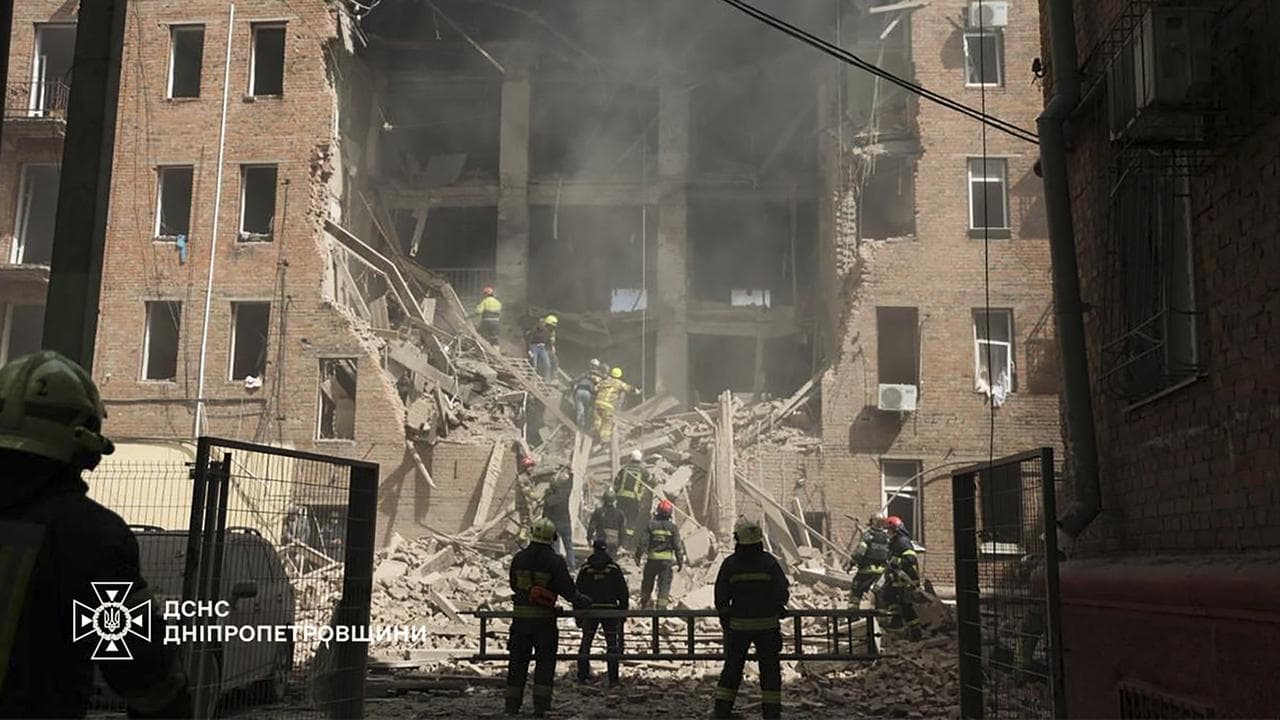
Russian drone and missile strikes on the city of Dnipro killed at least nine, regional head Oleksandr Hanzha said on Sunday.
One man was killed in a Ukrainian drone strike on the port city of Sevastopol, in Russian-occupied Crimea, Moscow-installed authorities said on Sunday.
Russia annexed the peninsula from Ukraine in 2014, a move that most of the world considered illegal, and has used it as a staging and supply point during its war, launched in February 2022.
Leonid Pasechnik, the Russia-installed governor in Ukraine’s Luhansk region - of which Russia earlier in April said it had taken full control, a claim denied by Ukraine - said three people were killed in an overnight Ukrainian drone strike on a village, after reporting two people were killed in the early hours of Saturday.
Ukraine did not comment on either attack, which could not be independently verified by The Associated Press.
Earlier, a woman was killed in a Ukrainian drone attack on Russia’s Belgorod border region, according to local authorities.
Ukrainian forces also struck an oil refinery in Yaroslavl, deep inside Russian territory, Ukraine’s General Staff said on Sunday.
The strikes sparked fires at the facility, which processes 15 million tonnes of oil a year and produces petrol, diesel and jet fuel for the Russian military. Russia did not immediately comment.
Rafael Grossi, director general of the International Atomic Energy Agency, echoed Zelenskiy's concerns over Chernobyl during a visit to Kyiv, saying repairs to the plant’s damaged outer protective shell must begin immediately.
The agency's assessments show the damage sustained after a strike in 2025 has already compromised a key safety function of the structure, he said, warning that years of inaction could heighten danger to the original sarcophagus beneath it.
The European Bank for Reconstruction and Development said repairs would require at least 500 million euros ($A821 million).
Energy Minister Denys Smyhal said on Sunday that partner commitments to fund repairs at the facility totalled 100 million euros ($A164 million). That is in addition to a previously agreed 30 million euros ($A49 million).
Russia's Defence Minister Andrei Belousov visited North Korea on Sunday for talks with North Korean leader Kim Jong-un about future military co-operation between the nations.
Belousov said the countries agreed to “transition military co-operation to a sustainable, long-term basis,” according to Russia state news agency Ria Novosti.
During the visit, he presented the Russian Order of Courage to Korean service members who served in Russia's Kursk region, where Ukraine launched a surprise incursion in August 2024.
Kim has sent thousands of troops and large weapons shipments to support Russia's war against Ukraine.


