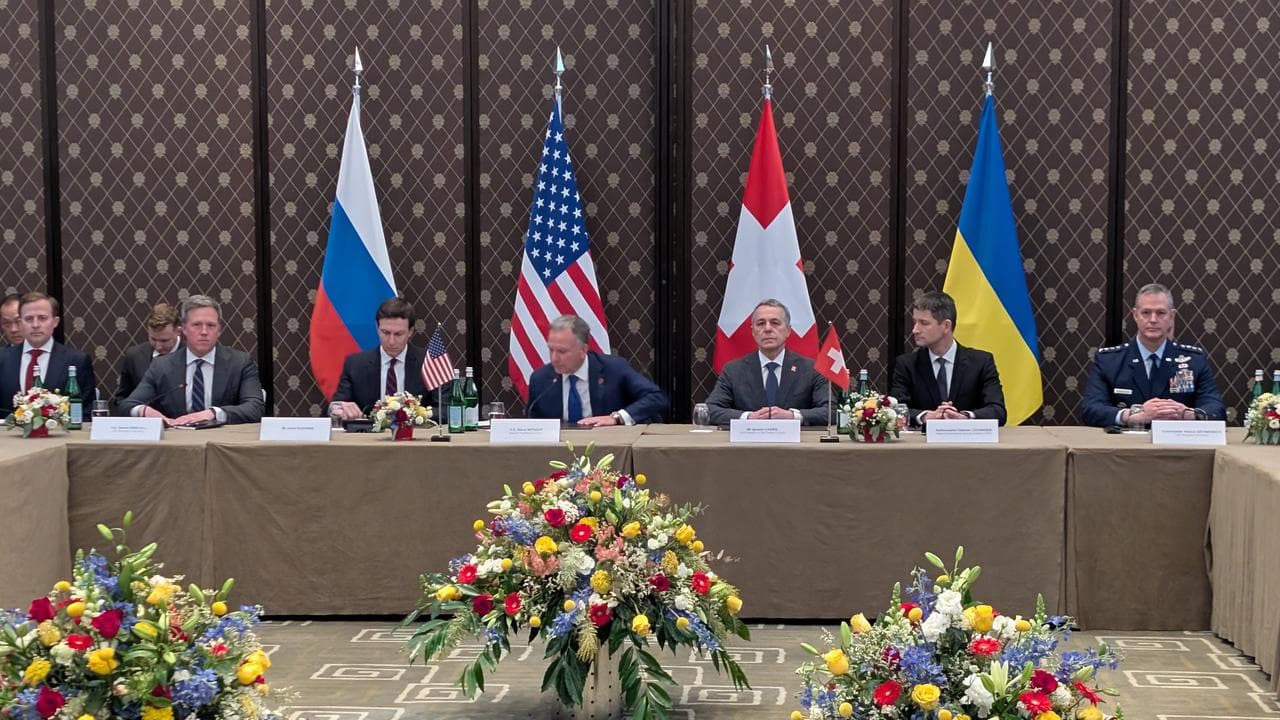
Negotiators from Ukraine and Russia have concluded the first day of US-mediated peace talks in Geneva, with US President Donald Trump pressing Kyiv to act fast to reach a deal to end the four-year conflict.
Ahead of Tuesday's negotiations in Switzerland, Russia carried out airstrikes overnight across swathes of Ukraine, severely damaging the power network in the southern port city of Odesa.
Ukrainian President Volodymyr Zelenskiy said the attacks left tens of thousands without heat and water.
"We are ready to move quickly toward a worthy agreement to end the war," Zelenskiy said in his nightly address, saying he was waiting for a report from the negotiating team in Geneva. "The question for the Russians is: Just what do they want?"
Ukraine's lead negotiator Rustem Umerov, the head of the National Security and Defence Council, said in a statement the talks had focused on "practical issues and the mechanics of possible decisions", without providing details.
Russian officials made no comments on the talks.
But Russian news agencies quoted a source as saying that the talks were "very tense" and lasted six hours in different bilateral and trilateral formats.
Both sides agreed to continue the discussions on Wednesday.
The Geneva meeting follows two rounds of US-brokered talks in Abu Dhabi that concluded without a major breakthrough as the two sides remained far apart on key issues such as the control of territory in eastern Ukraine.
Trump is urging Moscow and Kyiv to strike an agreement to end Europe's biggest war since 1945, though Zelenskiy has complained that his country is facing more pressure to make concessions.
Before the talks began, Umerov played down hopes for a significant step forward in Geneva, saying the Ukrainian delegation was working "without excessive expectations".
US envoys Steve Witkoff and Jared Kushner were representing the Trump administration at the talks. In a rare attempt to negotiate two major global crises simultaneously, they attended the morning's indirect negotiations with Iranian officials in Geneva before crossing town to mediate the talks between Ukraine and Russia.
Trump put the ball in Ukraine's court when asked by reporters what he was expecting from the talks with Russia.
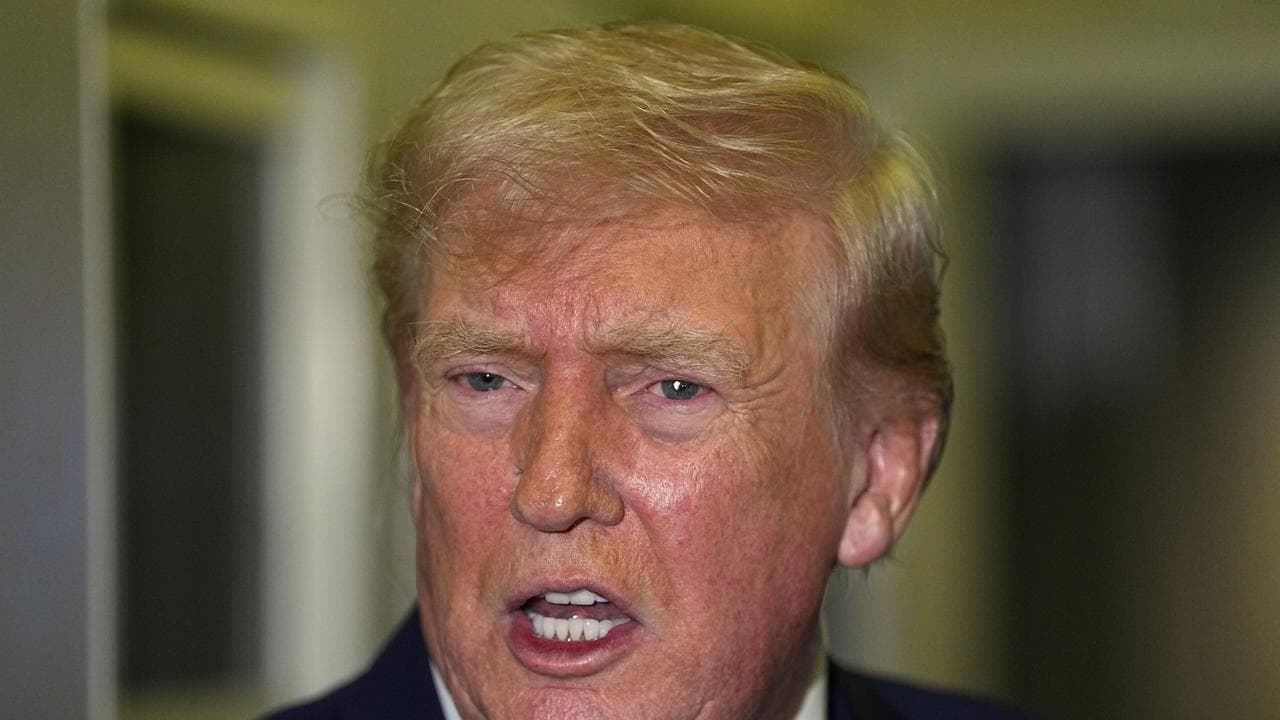
"Ukraine better come to the table fast. That's all I'm telling you," Trump told reporters aboard Air Force One.
Russia is demanding that Ukraine cede the remaining 20 per cent of the eastern region of Donetsk that Moscow has failed to capture - something Kyiv refuses to do.
Delegations from several European countries were present in Geneva, according to four sources familiar with the matter, but did not attend the trilateral peace talks themselves.
The Europeans were invited after Zelenskiy asked US officials to include them, one of the sources said, adding that they would be briefed by the Americans and Ukrainians about the discussions. Russia has in the past voiced its opposition to European involvement.
Zelenskiy on Tuesday called for Kyiv's allies to increase pressure on Russia to reach a "real and just" peace deal via tougher sanctions and weapons supplies to Ukraine.
The Geneva round comes just days before the fourth anniversary, on February 24, of Russia's full-scale invasion of its much smaller neighbour. Tens of thousands of people have been killed, millions have fled their homes, and many Ukrainian cities, towns and villages have been devastated by the conflict.


