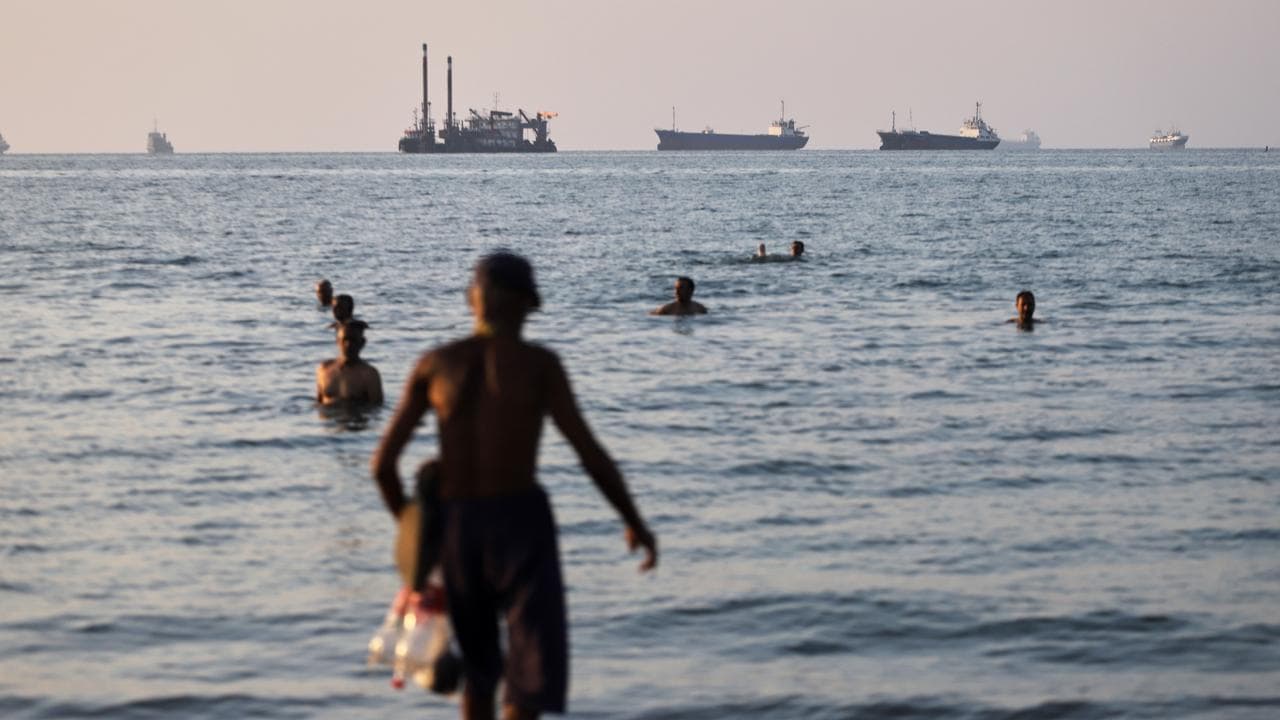
Iran has reasserted its right to control shipping in the Strait of Hormuz and warned Gulf states against siding with the US, a day after an attack on a ship near Oman highlighted the fragility of a preliminary deal to end the Iran war.
Tehran was responding to what it called an "interventionist, irresponsible and provocative" joint statement by the US and six Gulf states that rejected Iran's insistence that it could charge tolls on vessels transiting the strait.
"Safe passage through the Strait of Hormuz cannot be guaranteed under ambiguous arrangements, parallel routes or decision-making that does not take Iran's role as a coastal state into account," Deputy Foreign Minister Kazem Gharibabadi said on X.
Oil prices dipped further on Friday, despite conflicting interpretations of an interim deal between Iran and the US and a slowdown in traffic through the strait, where a fifth of global oil and liquefied natural gas supplies typically passes.
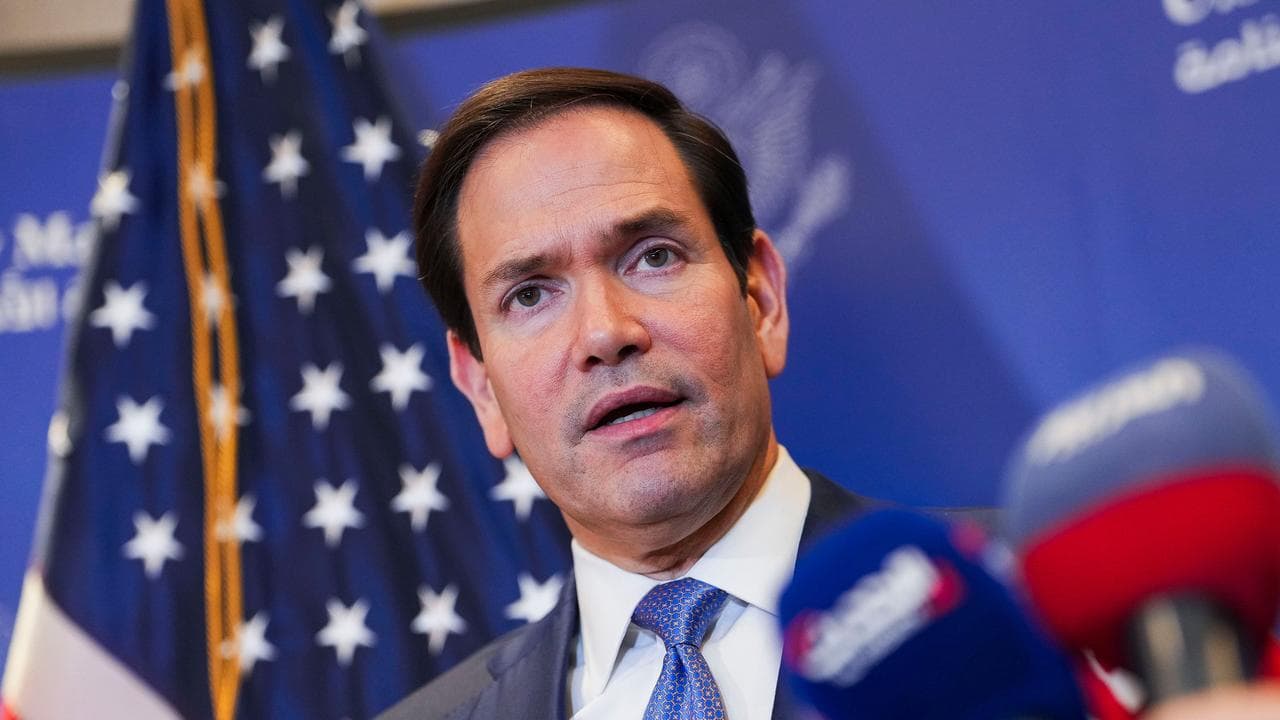
US Secretary of State Marco Rubio - wrapping up a tour of the Gulf to reassure nervous regional allies about the interim pact - told reporters on Thursday that if Iran threatened or blocked ships in the strait, "we're going to have a problem".
In their joint statement, Rubio and the Gulf Co-operation Council called for "free, unconditional, and unrestricted navigation" in the Strait of Hormuz without tolls or "attempts to assert control", and said a lasting peace must address Iran's ballistic missiles, drones and support for proxy groups.
Iran's foreign ministry responded on Friday by saying the US military presence in the Gulf was the source of regional insecurity and division, and the strait should be governed by Tehran and Oman in line with the terms of the interim deal.
"We warn against the continuation of hostile and interventionist policies in the region," it said.
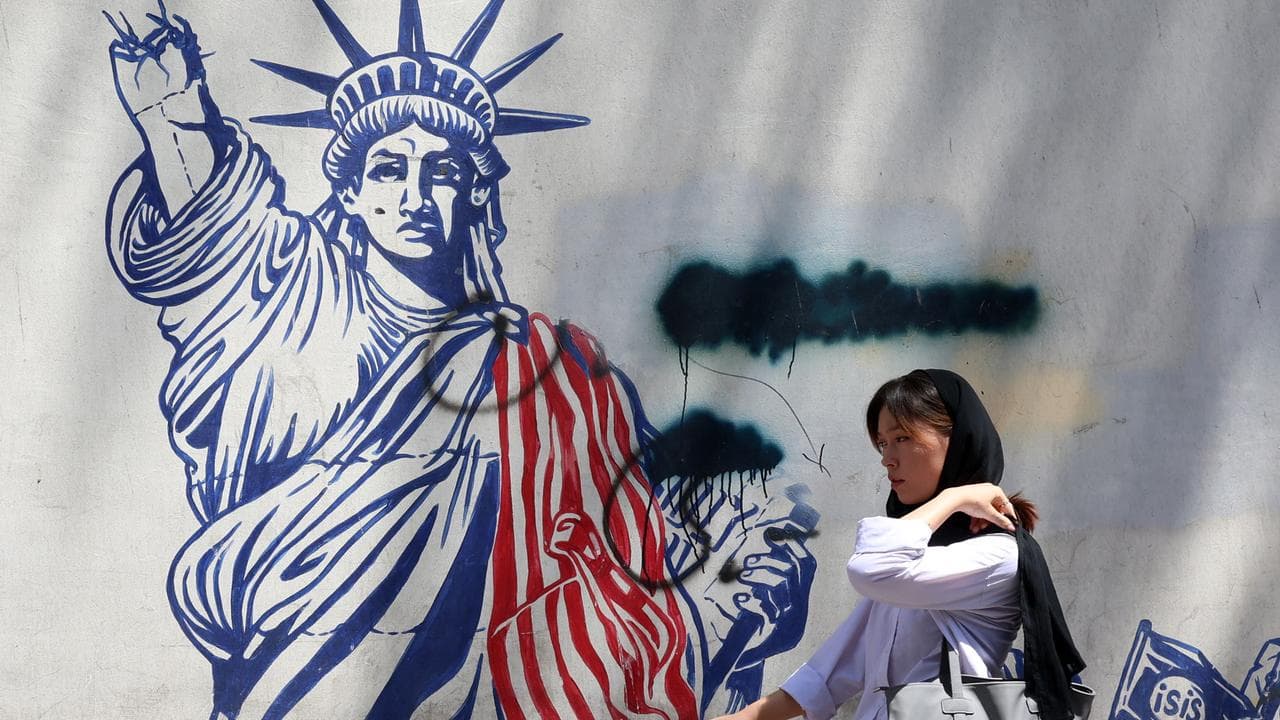
Tehran took effective control of the waterway after US-Israeli strikes on Iran on February 28 triggered the war, disrupting oil flows and rattling global energy markets and the wider economy.
Taiwan's Evergreen Marine said on Friday its Singapore-flagged ship Ever Lovely had been hit close to Oman on Thursday by an "unknown object" while on a route recommended by the British navy agency UKMTO.
Nobody was hurt in the incident and the ship later resumed its journey out of the strait.
Two US officials told Reuters that Iran had fired on the ship, while Iran's Persian Gulf Strait Authority - established by Tehran to manage requests for ships to travel through the strait - said passage through unauthorised routes would be "the responsibility of the owner, operator, and vessel commander".
US President Donald Trump warned earlier in June that if Iran did not honour the interim deal, including reopening the strait, the US would probably go back to bombing the country.
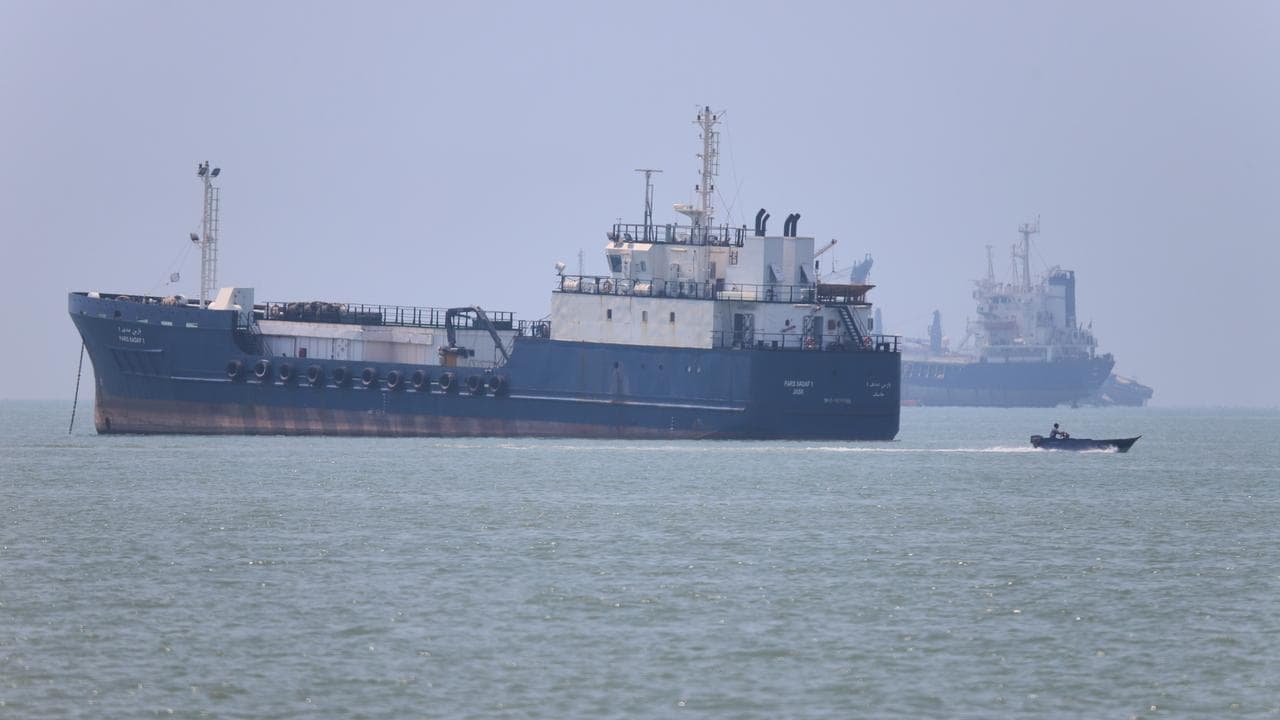
Alongside the issue of control over the strait, disagreements persist over other elements of the framework ceasefire deal, including over financial incentives for Iran, nuclear inspections, and Israel's parallel war in Lebanon.
The deal has set up 60 days of talks to tackle thornier issues, including Iran's nuclear program.
In the United States, the war is weighing heavily on Trump before November midterm elections that will determine control of Congress.
The International Maritime Organisation, a UN agency, temporarily paused its operation to escort ships through the Strait of Hormuz after the Oman incident.
The IMO and Oman had earlier this week announced a new southern route through the strait to evacuate hundreds of ships stranded by the war, angering Tehran.


