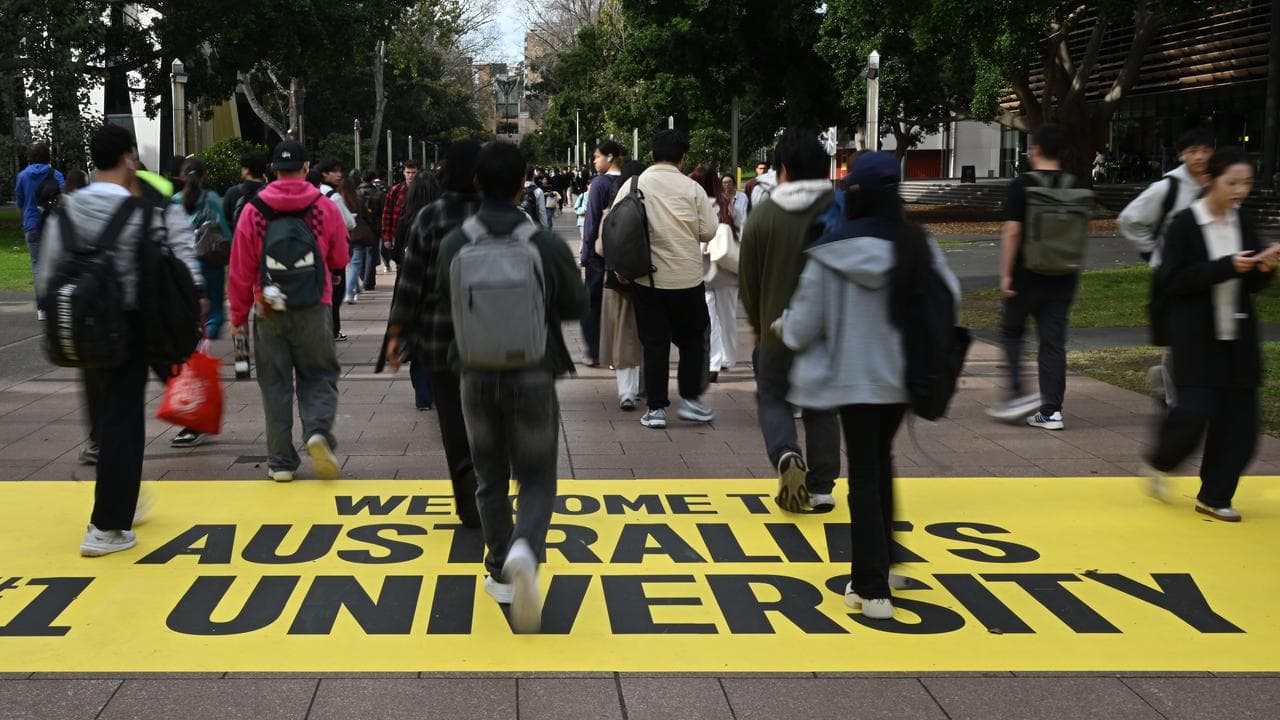
By the time Charley Ellwood graduates, he could owe the federal government $70,000.
"It is a huge mountain to climb," he told AAP.
"If I go to a mortgage broker and say I want to buy a house, but I've got a $60,000 debt behind me, I've got no hope."
Mr Ellwood pays some of the highest university fees recorded, and the costs of his rent, groceries, utilities and petrol have ballooned.
He will also pay interest on debt he has already repaid after graduating, because of a so-called "stealth tax" baked into Australian student loans.
Student debt rises annually based on either inflation or wage increases, a change that applies every year on June 1.
But that ignores debt students pay down through withheld wages throughout the year, meaning they are paying interest on a debt higher that what they really owe.
Mr Ellwood pays some of the highest university fees recorded, and the costs of his rent, groceries, utilities and petrol have ballooned.
He will also pay interest on debt he has already repaid after graduating, because of a so-called "stealth tax" baked into Australian student loans.
Student debt rises annually based on either inflation or wage increases, a change that applies every year on June 1.
But that ignores debt students pay down through withheld wages throughout the year, meaning they are paying interest on a debt higher that what they really owe.
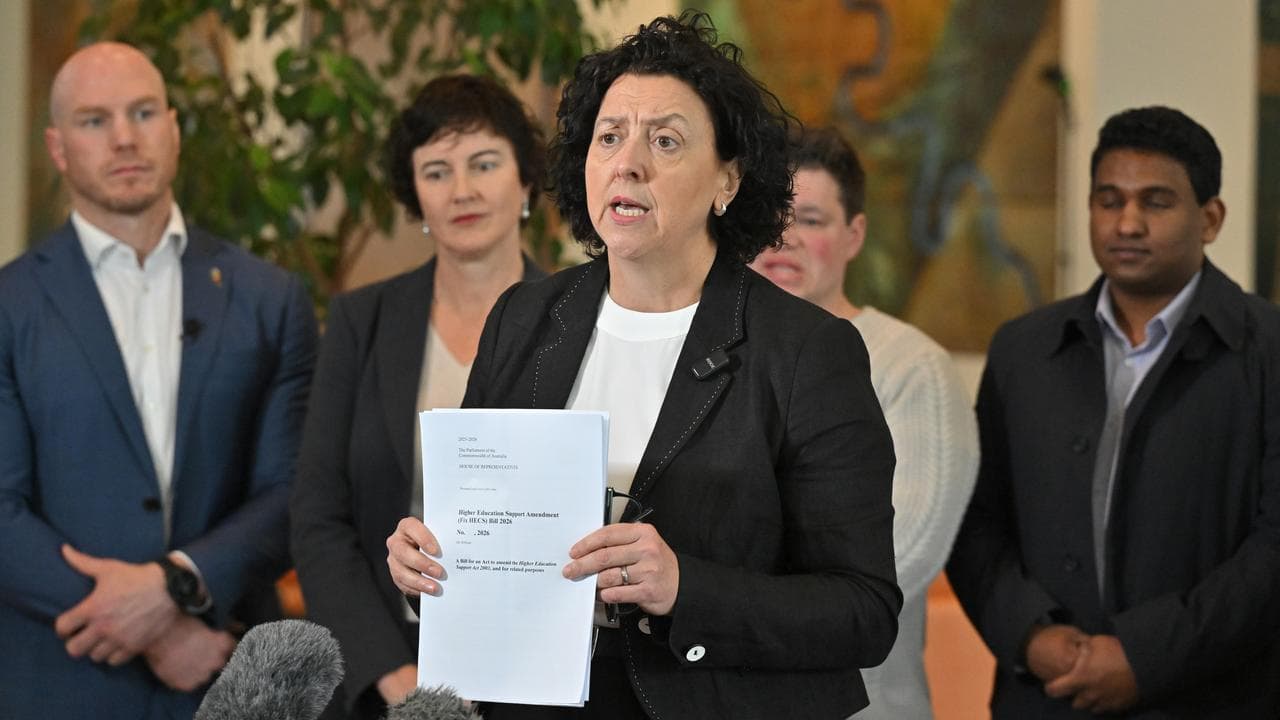
The adjustment should kick in on November 1, independent MP Monique Ryan said, introducing legislation in parliament on Monday.
"The government has created a cost-of-learning crisis," she said.
"The system isn't broken by accident. It's working exactly as it was designed. It is imposing an unfair stealth tax on our graduates."
The current system would overcharge a student with $30,000 debt by about $90, independent MP Zali Steggall said.
"This is ultimately a sneaky student tax," Ms Steggall said.
Students will pay $3.2 billion more than they should over the next decade, Dr Ryan says.
It comes as analysis by Universities Australia showed the price of maintaining a basic student standard of living has risen by 29 per cent since 2021, faster than economy-wide inflation of 24 per cent.
But student spending has increased by just 21 per cent over the same period, impacting their university experience.
Students in some disciplines are paying up to $17,399 a year and more than $52,000 for a three-year degree, according to the tertiary peak body.
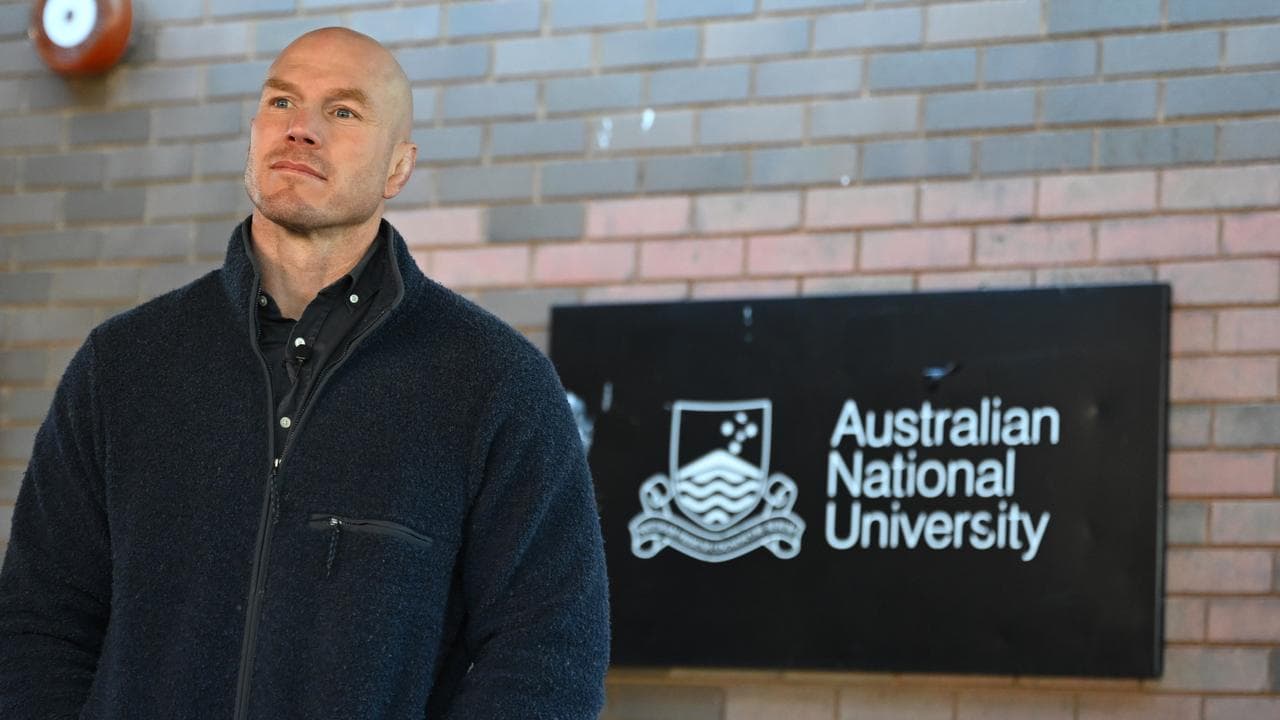
It is urging Labor to reform the Job-ready Graduates Package, introduced under the former Morrison government, which jacked up fees for humanities courses but slashed the costs of education, nursing and engineering degrees to change students' choices.
"The ... scheme didn't actually change preferences at all," said Mr Ellwood, who studies politics and public policy.
"I chose to study this because I wanted to, because I'm passionate about it, and I knew that it was going to be more expensive."
Senator David Pocock backed reforming the scheme, which studies have shown affected the choices of just 1.5 per cent of students.
"The government talks a big game on its generational inequality. If they are serious about that, they have to tackle job-ready graduates," he told reporters on Monday.


