
A ride-on lawnmower accident prosecutors claim was used to conceal a woman's alleged murder can't be recreated in crash simulations, a jury has heard.
Robert John Crawford is accused of murdering his wife Frances by strangulation at the couple's property west of Brisbane in the early hours of July 30, 2024.
He pleaded not guilty to murder at his Brisbane Supreme Court trial which began in October.
Ms Crawford's body was found by paramedics at the bottom of a retaining wall near an overturned ride-on lawnmower after her husband called triple zero at 3.38am and attempted to resuscitate his wife.
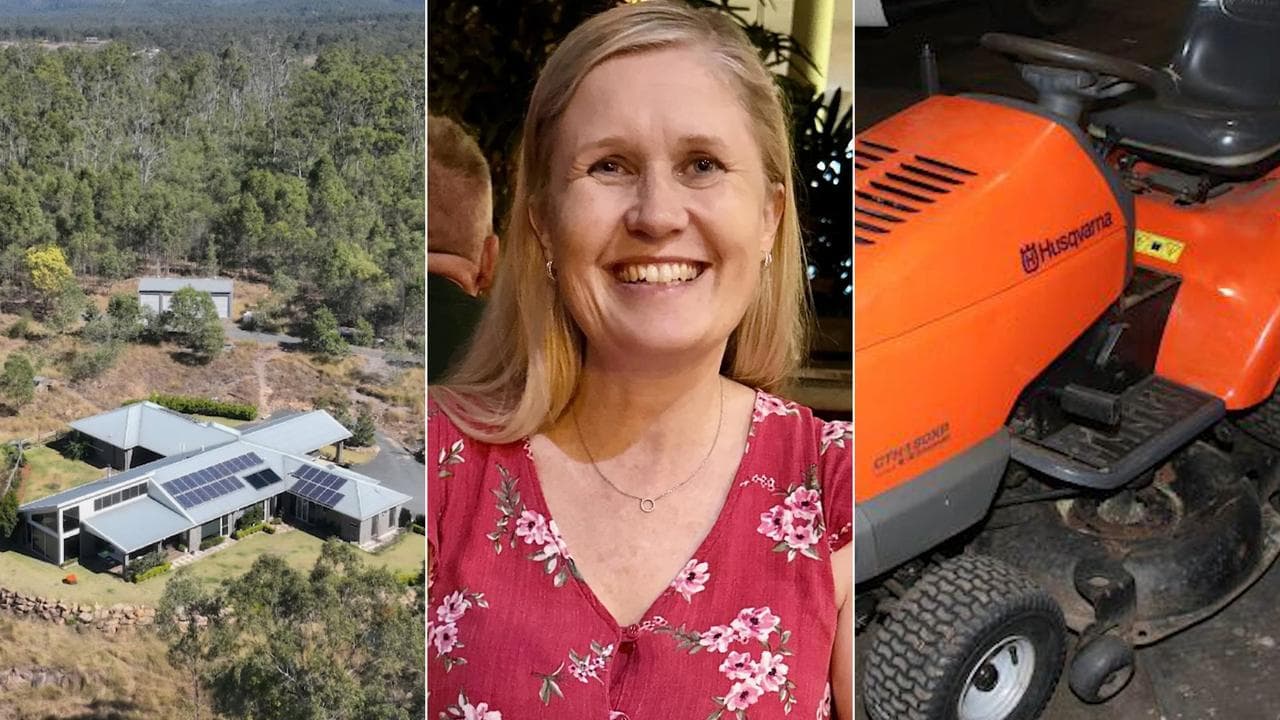
Crawford has claimed he was in bed when his wife died from crushing injuries or traumatic asphyxia from being caught under the overturned lawnmower's steering wheel while moving the vehicle away from automated lawn sprinklers.
Biomechanics professor David Ackland on Wednesday told the jury it was "very unlikely" the mower would have ended up on top of Ms Crawford following computer crash simulations.
They were unable to recreate Ms Crawford coming to rest 1.8 metres from the edge of the wall if the mower was reversing at the time, as was alleged by police, the jury heard.
"It seems very unlikely to me that the mower could end up directly on top of her," Prof Ackland, University of Melbourne's deputy head of biomedical engineering, said.
Police provided Prof Ackland with images and laser scans of the scene, Crawford's version of events and the wife's autopsy report in order to run the simulations and provide an expert opinion, the jury heard.
Police testing found the lawnmower's maximum reverse speed on concrete was 1.09 metres per second.
Prof Ackland said this was a very slow velocity given the average person walked at 1.3 m/s.
The only virtual scenario where Ms Crawford's 65kg, 173.5cm-tall body landed 1.8m from the wall involved driving off the edge at the maximum forward speed of 2.4 m/s and with no contact between her head and a rock, the jury heard.
"It was almost like being thrown off at that velocity," he said.
Ms Crawford suffered an extensive injury to the back of her head which was assumed to have been caused by impact with a bloodstained rock at the top of the wall, Prof Ackland said.
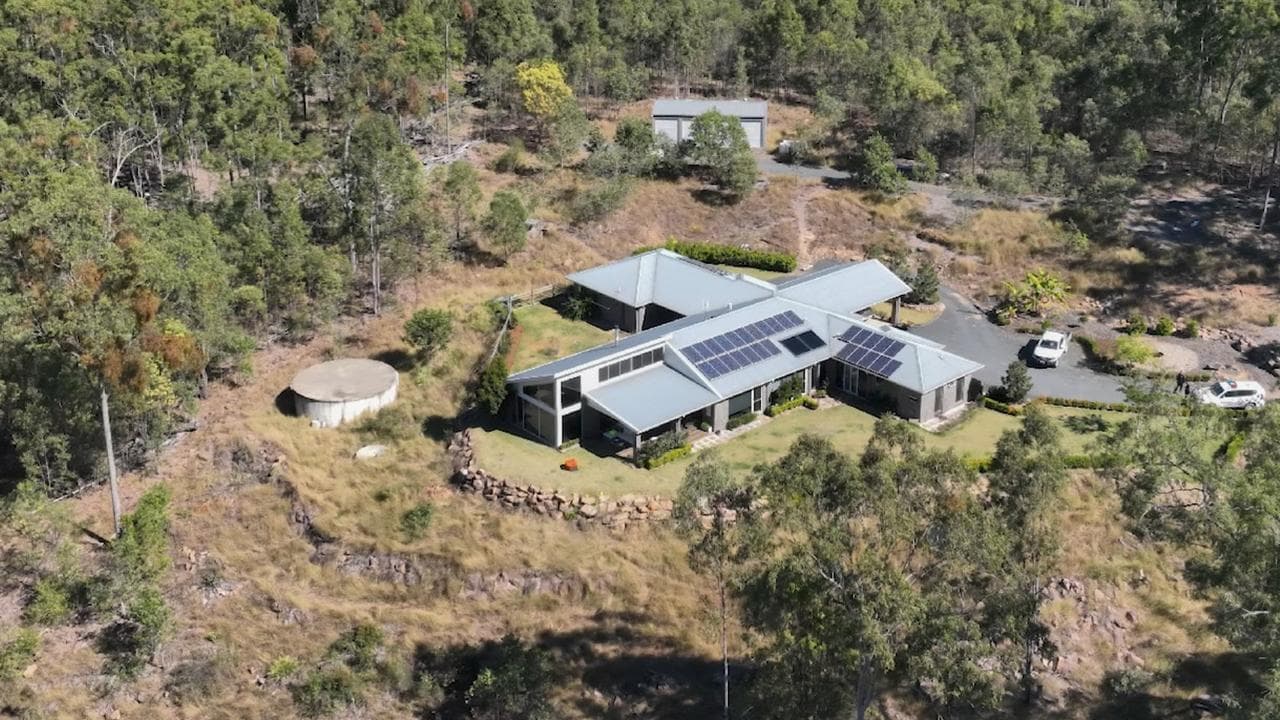
The bloodstained rock was 1.68 metres across from a damaged rock assumed to be a point of impact with the mower, the professor's report found.
"The deceased could not have been seated in the mower at the time she struck the rock," Prof Ackland said.
His work involved researching joint function and how the body moves to find advances in sports science, disease and injury treatment and orthopaedic devices, the jury heard.
Under cross examination by defence barrister Sault Holt, Prof Ackland agreed his doctorate was focused on the human shoulder and not in simulating a body falling from height and coming to rest.
Prof Ackland also agreed there was no lawnmower, rocks or natural deviations in the wall's slope included in his simulations.
The trial continues.


