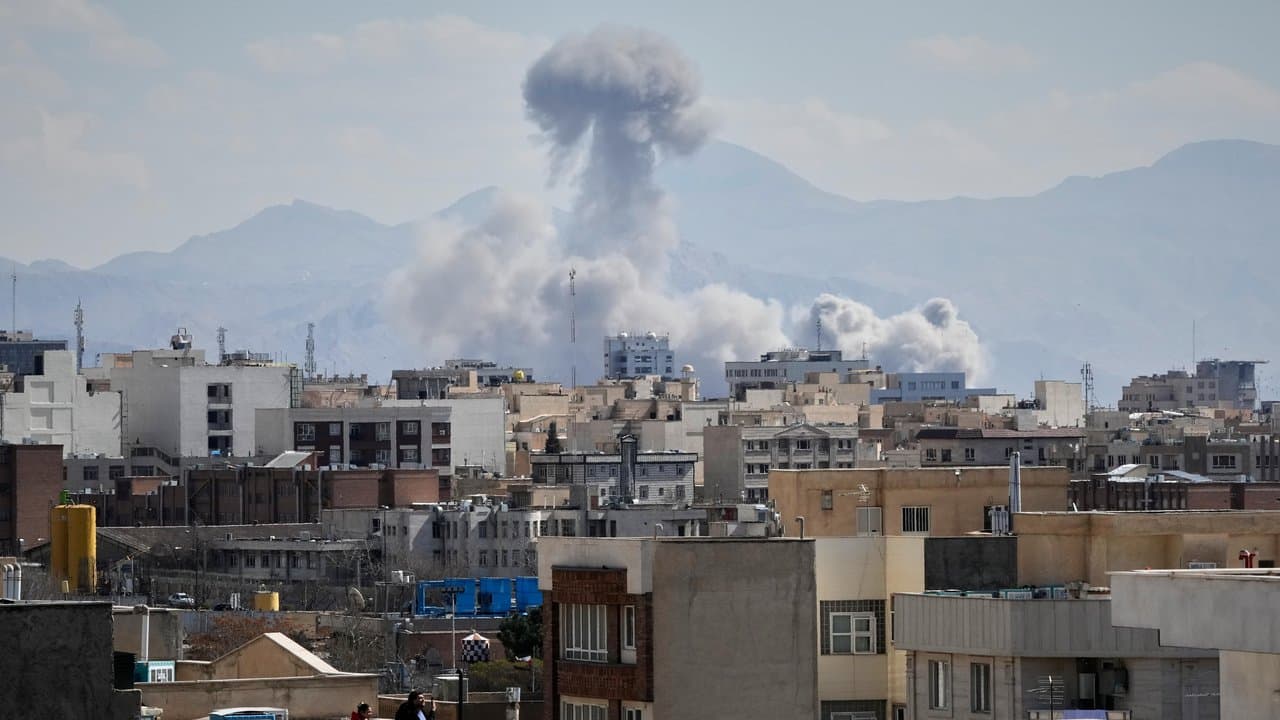
Israel's military has launched a broad wave of strikes in the heart of Tehran after its air force carried out a large-scale operation that killed Iran's supreme leader, raising fears of widespread instability in the Middle East.
Israel's air force had conducted strikes to open the "path to Tehran" in the past day, its military said on Sunday.
Hours after the US and Israel said an air strike killed Ayatollah Ali Khamenei in the military campaign to overthrow the government of the Islamic Republic, Iran's state media confirmed the 86-year-old leader had died.
Under Iran's constitution, the supreme leader is appointed by the Assembly of Experts, an 88-member clerical body that supervises and can in theory sack that figure.
The supreme leader holds ultimate power in Iran, acting as commander-in-chief of the armed forces and deciding on the direction of foreign policy.
An adviser to Khamenei, Iran's top security official Ali Larijani, said a temporary leadership council would be set up until the next leader was chosen.
Insiders in Iran said the ruling establishment would immediately seek to name a successor to Khamenei to signal stability and continuity.
In another blow for Iran's leadership, Armed Forces Chief of Staff Abdolrahim Mousavi was killed in the strikes, broadcaster Iran TV said.
After Iran retaliated with air strikes around the Gulf, Anwar Gargash, adviser to the president of US ally and oil power the United Arab Emirates, urged Tehran to "go back to your senses", saying the war was not with Iran's Gulf Arab neighbours.
The UAE has so far borne the heaviest brunt of Iran's retaliation.
President Donald Trump warned on Sunday the US would hit Iran "with a force that has never been seen before" if it struck back.
"Iran just stated that they are going to hit very hard today, harder than they have ever been hit before," Trump said in a post on Truth Social.
"THEY BETTER NOT DO THAT, HOWEVER, BECAUSE IF THEY DO, WE WILL HIT THEM WITH A FORCE THAT HAS NEVER BEEN SEEN BEFORE!"
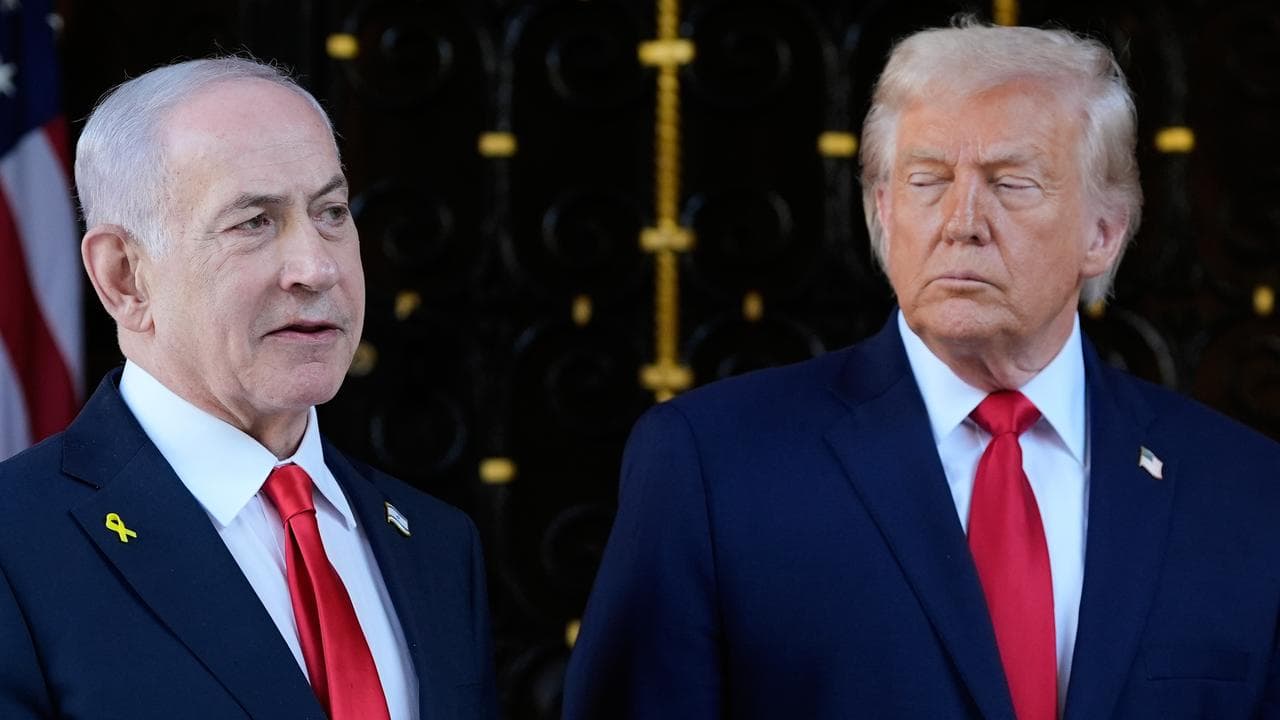
In remarks directed at Trump and Israeli Prime Minister Benjamin Netanyahu, Iran's parliament Speaker Mohammad Baqer Qalibaf said they had crossed a red line and would "pay for it".
Oman's maritime security centre said Palau-flagged oil tanker Skylight was attacked about five nautical miles off Oman's Musandam.
Four people were injured, with the crew of 20 evacuated.
Khamenei, who quashed the ambitions of several moderate elected presidents, had a following among fellow Shi'ites outside Iran in countries such as Iraq, where Tehran-backed armed groups threatened to retaliate after the US-Israel strikes.
Iraq’s top Shi’ite cleric Grand Ayatollah Ali al-Sistani expressed condolences over the killing of Khamenei and urged Iranians to maintain unity in the face of attacks.
Pakistani police on Sunday clashed with protesters who breached the outer wall of the US consulate in Karachi, leaving nine people dead, following news of the strikes on Iran.
Global air travel remained heavily disrupted as air strikes closed major Middle Eastern airports including Dubai - the world's busiest international hub.
Several loud blasts were heard for a second day on Sunday in Dubai and over Qatar's capital of Doha, witnesses said, after Iran launched retaliatory strikes on the neighbouring Gulf states.
Two people were injured after shrapnel fell from drones following an interception by air defences over two houses in Dubai.
Iran, which had said it would target US bases if attacked, hit a range of other targets, keeping the major oil-producing Gulf on edge.
Trump said the air strikes aimed to end a decades-long threat from Iran and ensure it could not develop a nuclear weapon.
"This is not only Justice for the people of Iran, but for all Great Americans, and those people from many Countries throughout the World, that have been killed or mutilated by Khamenei and his gang of bloodthirsty THUGS," he wrote on Truth Social.
Trump and Netanyahu told Iranians to pursue a rare chance to topple their clerical leaders.
Iran's leadership had already been under pressure from an economy hammered by sanctions, protesters who proved ready again to take to the streets despite fierce crackdowns and regional proxies severely weakened by Israeli attacks.
State media said Khamenei, who built Iran into a powerful anti-US force during his 36-year iron-fisted rule, was working in his office at the time of Saturday's attack, which also killed his daughter, grandchild, daughter-in-law and son-in-law.
Experts said the deaths of Khamenei and other Iranian leaders would deal the country a major blow but would not necessarily spell the end of Iran's entrenched clerical rule or the sway of the elite Revolutionary Guards over the population.


