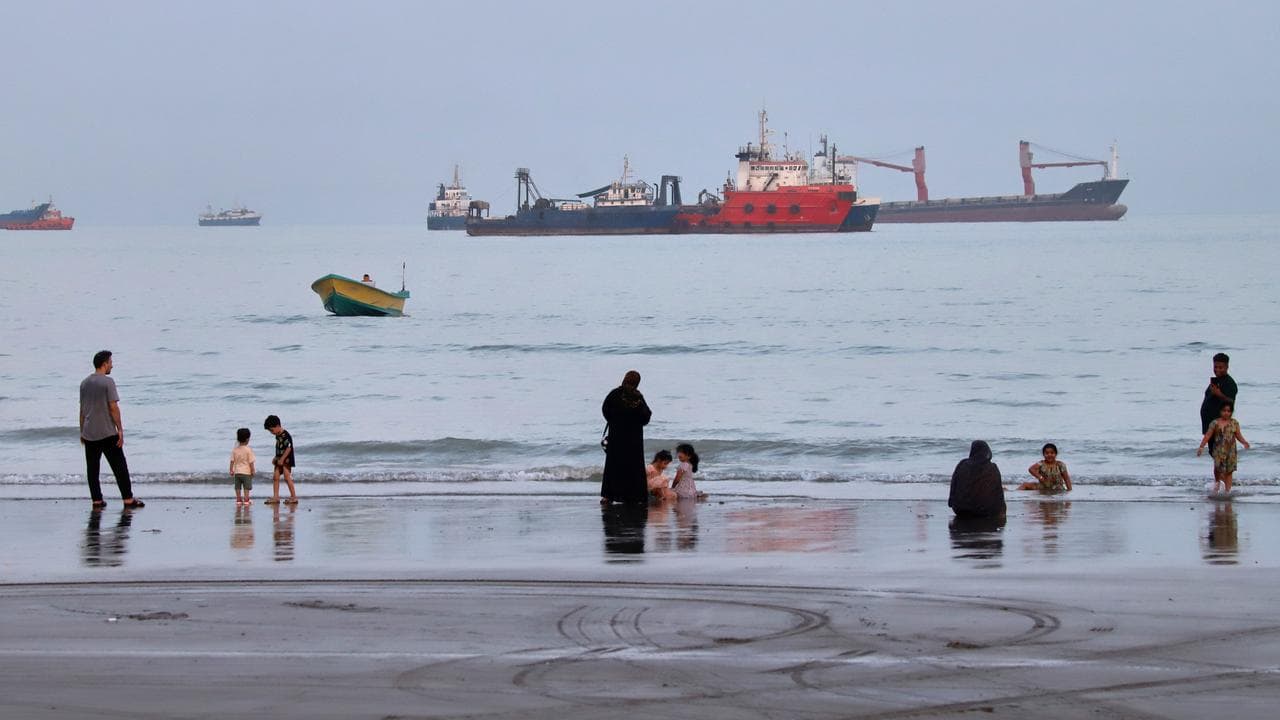
A US official has reported progress between Iran and Oman that could soon reopen the Strait of Hormuz, potentially restoring oil exports disrupted by the five-month-old US war with Iran.
The US official, who declined to be identified, said Washington anticipated an agreement soon between the two countries, which sit on either side of the strait, so normal oil traffic could resume.
A deal between Iran and Oman over control of the strategic waterway is seen as crucial to a wider peace agreement.
"There is progress between Oman and Iran on the strait, and we expect a deal soon," a US official told Reuters on Friday.
"Once the deal is announced to restore commercial shipping without impediments, the United States will lift the blockade of Iranian ports.
"As always, US actions will continue to be performance-based and tied to Iran’s implementation of its commitments," the official said.
Before the US and Israel launched the war on Iran on February 28, about one out of every five barrels of oil consumed worldwide transited the strait, but Iran has used the hostilities to justify charging a toll on oil tankers and firing on ships trying to cross the strait without permission.
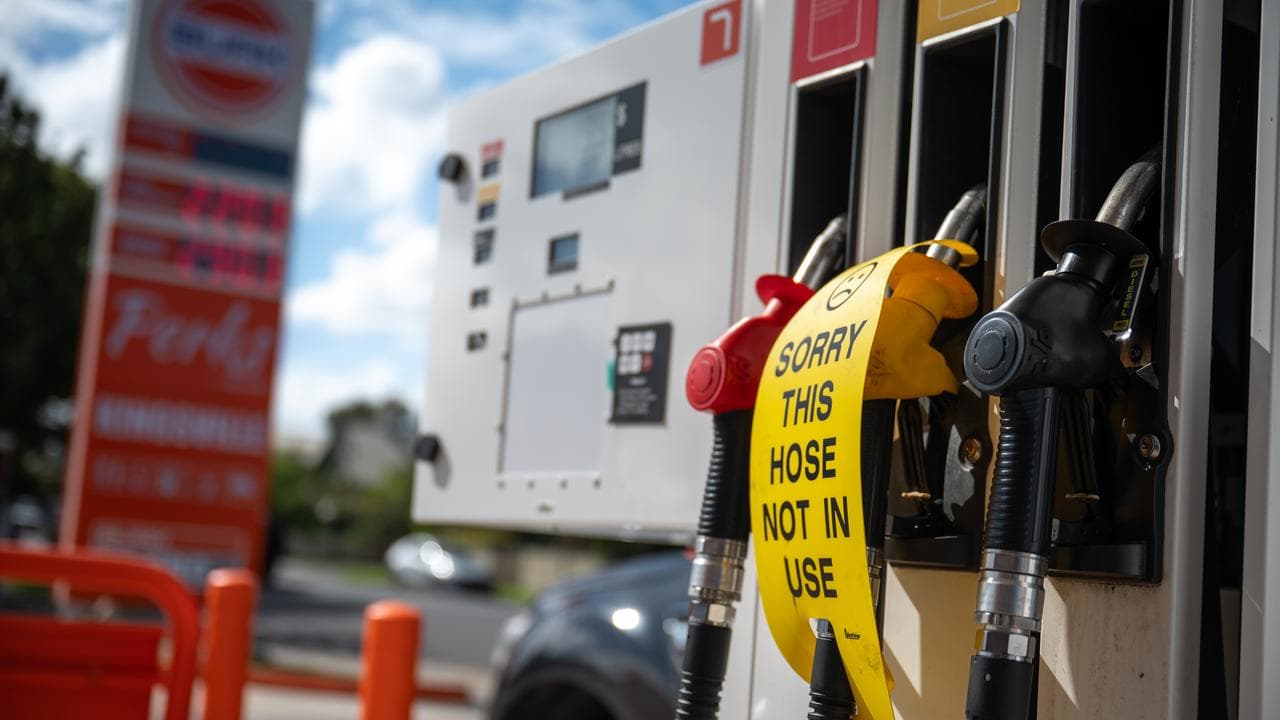
That disruption in oil shipments has caused energy prices to surge and fuelled inflation.
In recent weeks, the Trump administration has repeatedly signalled a deal to open the strait could be close, only to have Iran deny talks are under way.
It was unclear whether the latest flurry of negotiations would yield a more lasting arrangement.
Iranian strikes on Strait of Hormuz shipping have been coupled with increased attacks by its Yemen-based allies, the Houthis, who have targeted ships at another oil chokepoint on the other side of the Arabian Peninsula between the Red Sea and Gulf of Aden.
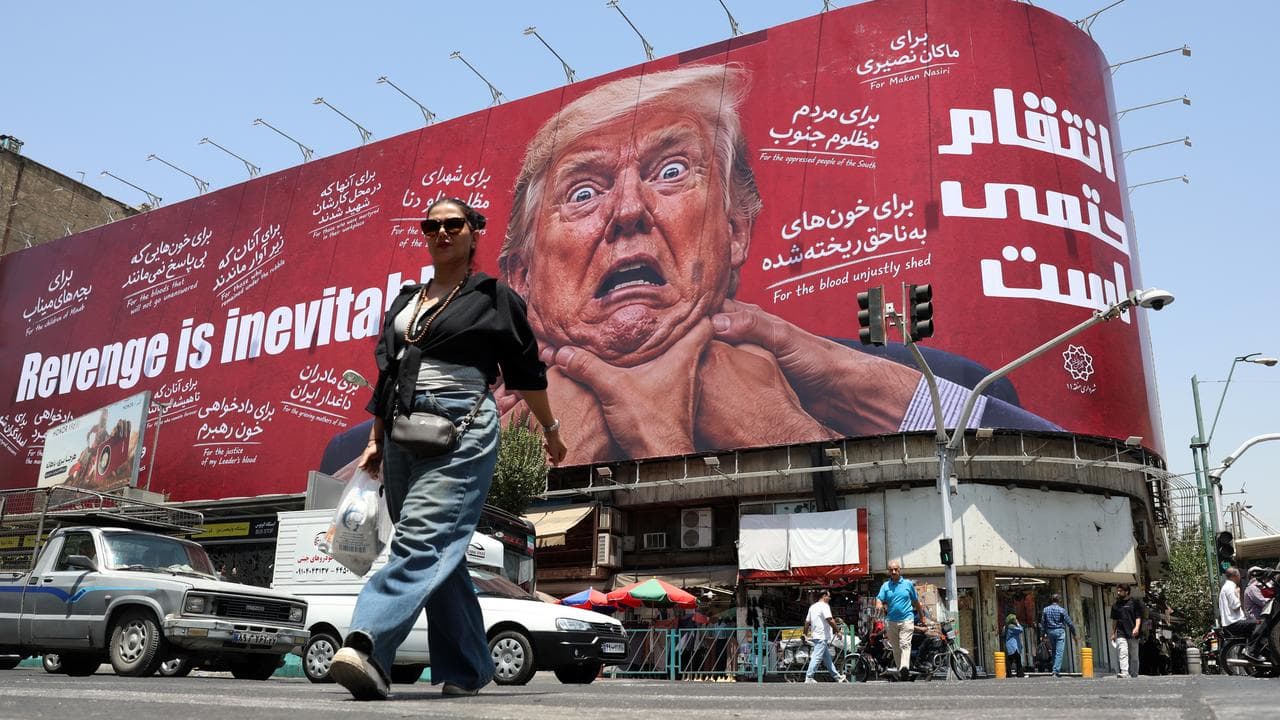
Abu Dhabi National Oil Company, one of the world's largest energy producers, said on Friday 15 of its vessels had been struck in what it called unprovoked attacks while transiting the Strait of Hormuz since the start of the conflict.
The attacks have killed one crew member and wounded 20 others, it said.
Alarmed at a regional conflagration that has brought Iranian missile fire onto Gulf oil exporters, Saudi Arabia, Pakistan and Turkey signed a joint defence agreement in Mecca on Friday.
The pact among three US allies with majority Sunni Muslim populations is intended to strengthen collective deterrence against aggression and stipulates an armed attack against any of the three would be regarded as an attack on all, the countries said in a statement.
Turkey said the agreement was not aimed at any specific country and was purely defensive. But it comes at a time of heightened tensions with Shi'ite-majority Iran.
Washington and Tehran have not engaged in direct high-level talks since US Vice President JD Vance met Iranian officials in Switzerland in June, shortly after the two sides reached a ceasefire agreement.
That short-lived June 17 memorandum of understanding established terms for resuming Strait of Hormuz oil shipping and led to a ceasefire.
Amid internal opposition to the deal in the US and Iran, hostilities resumed on July 7, only to be put on hold again.
The US military's Central Command has not reported any strikes on Iran since July 29.


