
US negotiators are abandoning talks with Iran in Pakistan after a lengthy face to face meeting failed to resolve the conflict that's disrupted global fuel supplies.
US Vice President JD Vance said on Sunday that his team was leaving Islamabad after not reaching a deal with Iran despite 21 hours of negotiations.
Vance cited shortcomings in the talks and said Iran had chosen not to accept American terms, including to not build nuclear weapons.
"We need to see an affirmative commitment that they will not seek a nuclear weapon, and they will not seek the tools that would enable them to quickly achieve a nuclear weapon. That is the core goal of the president of the United States, and that's what we've tried to achieve through these negotiations."
"I think that's bad news for Iran much more than it's bad news for the United States of America," Vance said. "
Iran's semi-official Tasnim news agency said that "excessive" US demands had hindered reaching an agreement and that negotiations had ended. Earlier, Iranian officials said negotiations would continue despite remaining differences.
In a post on X, Iran's government said the talks had concluded and technical experts from both sides would exchange documents.
Vance said he talked with US President Donald Trump half a dozen times during the talks.
Speaking to reporters outside the White House, Trump had earlier downplayed the significance of the negotiations, claiming military victory against Iran and saying “regardless what happens we win.”
Iran has claims by Trump that his military had begun clearing the Strait of Hormuz - a crucial part of the negotiations.
"We're now starting the process of clearing out the Strait of Hormuz as a favour to Countries all over the World," Trump posted, adding that Iranian mine-dropping vessels had been destroyed.The US military said two of its warships had passed through the strait and conditions were being set to clear mines, while Iran's state media denied any American ships had transited the waterway.
Iran's Islamic Revolutionary Guard Corps warned that any attempt by military vessels to transit the Strait of Hormuz would be met with a strong response'.
Only non-military vessels would be allowed to pass under specific regulations, the IRGC said in a statement carried by Iranian media.
The talks in Islamabad were the first direct US-Iranian meeting in more than a decade and the highest-level discussions since the 1979 Islamic Revolution.
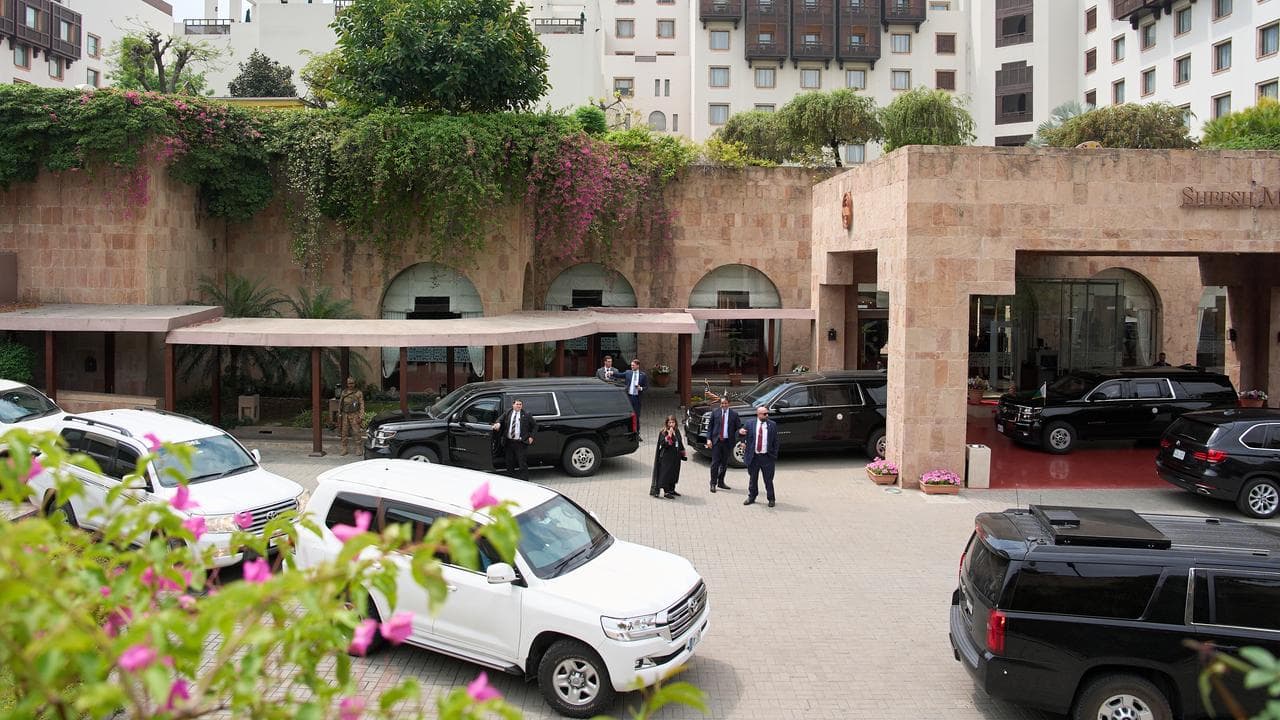
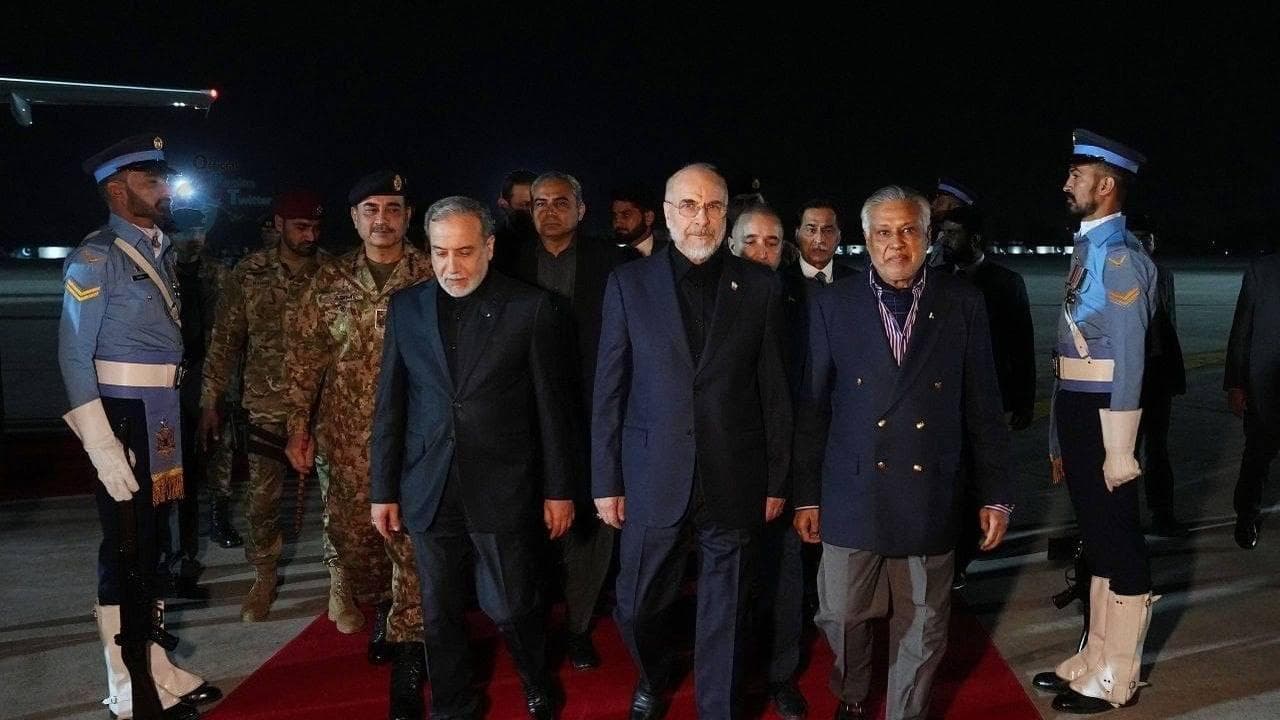
Vance, special envoy Steve Witkoff and son-in-law Jared Kushner flew in on Saturday and met Iranian Parliamentary Speaker Mohammad Baqer Qalibaf and Foreign Minister Abbas Araqchi for two hours before a break, according to a source from mediator Pakistan.
The Iranian delegation arrived on Friday dressed in black in mourning for Supreme Leader Ayatollah Ali Khamenei and others killed in the six-week war.
They carried shoes and bags of some students killed during the US bombing of a school next to a military compound, the Iranian government said.
The war has sent global oil prices soaring, killed thousands of people and seen unprecedented hits on Gulf Arab states.
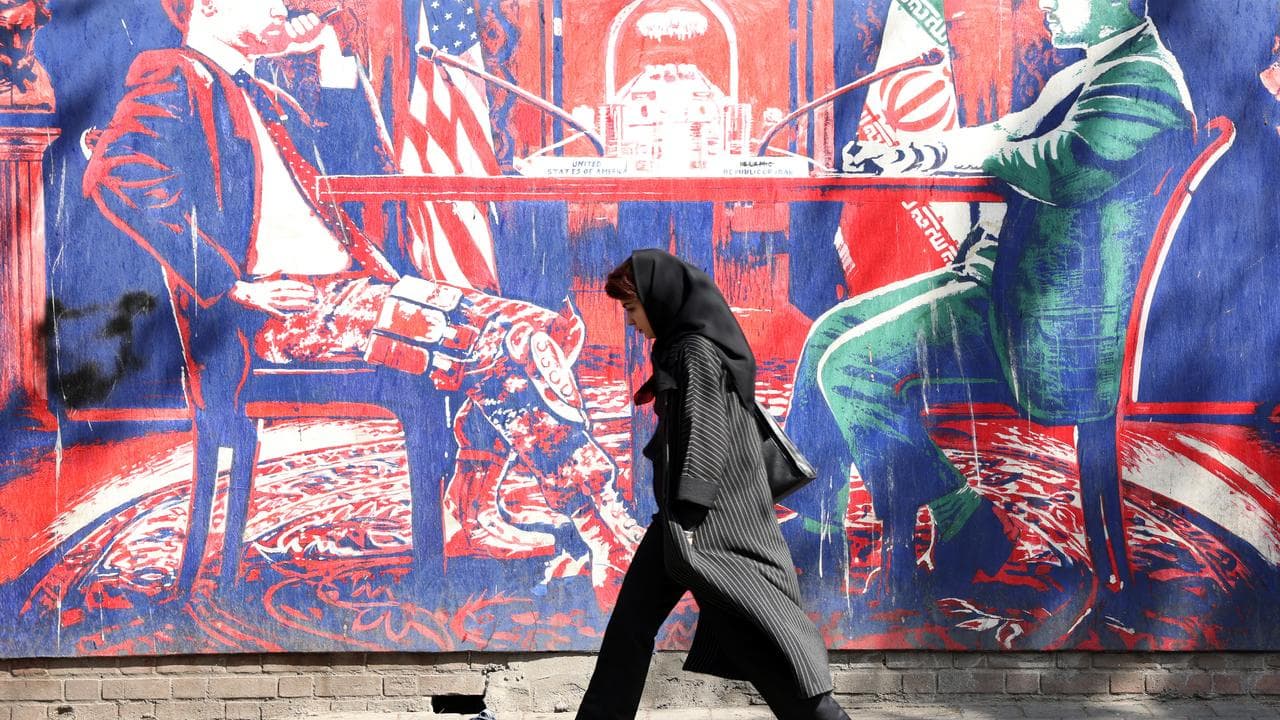
As well as release of assets abroad, Tehran is demanding control of the Strait of Hormuz, payment of war reparations and a ceasefire across the region, including in Lebanon, according to Iranian state TV and officials.
Tehran also wants to collect transit fees in the Strait of Hormuz.
Trump's stated goals have varied during the campaign, but as a minimum, he wants free passage for global shipping through the strait and the crippling of Iran's nuclear enrichment program to ensure it cannot produce an atomic bomb.
US ally Israel, which joined the February 28 attacks on Iran that launched the war, has also been bombing Tehran-backed Hezbollah militants in Lebanon.
More than 90 people were killed in Israeli air strikes across Lebanon on Saturday, the Lebanese health ministry said, bringing the war's death toll to 2,020 people, including 165 children, nearly 250 women and 85 medics.
Israel and the US have said Lebanon is not part of the Iran-US ceasefire.


