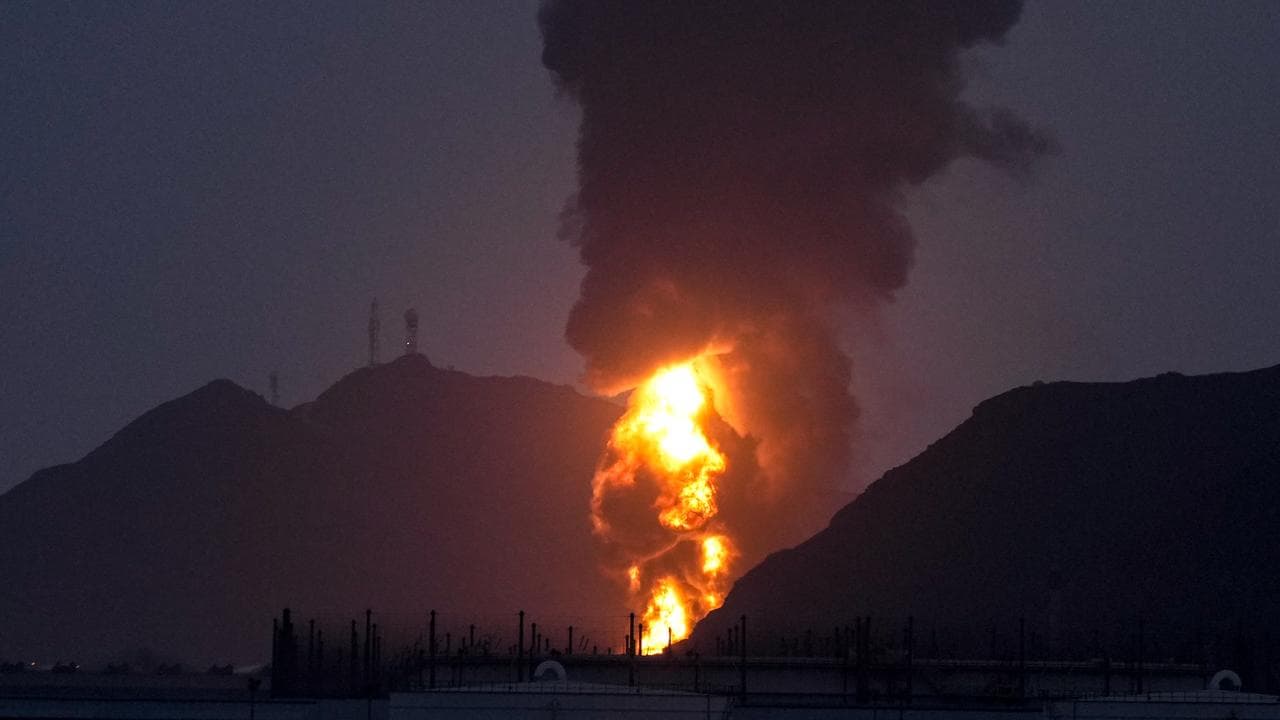
A Kuwaiti oil refinery has come under Iranian drone attack and sirens in Israel warned of incoming fire, while explosions boomed over Tehran from Israeli strikes as the country marked the Persian New Year.
As the war that has rocked the global economy neared the end of its third week, Iran showed no signs of letting up on its attacks on Gulf region energy structure.
Kuwait said two waves of drone strikes at its Mina Al-Ahmadi oil refinery sparked a fire and crews were working to control the blaze.
The refinery, which can process some 730,000 barrels of oil per day, was already damaged Thursday in another Iranian attack.
Iran stepped up its attacks on energy sites in Gulf Arab states after Israel on Wednesday bombed Iran’s massive South Pars offshore natural gas field in the Persian Gulf.
In a rare statement, the country's new Supreme Leader Ayatollah Mojtaba Khamenei said Iran's enemies need to have their “security” taken away. Khamenei hasn’t been seen since he succeeded his father, the 86-year-old Ayatollah Ali Khamenei, who was killed in an Israeli air strike on February 28.
His remarks came as Iranian state TV reported a spokesperson for Iran's Islamic Revolutionary Guard Corps and its deputy of public relations, Ali Mohammad Naini, was killed in strikes launched by the US and Israel.
In Bahrain, the interior ministry reported a fire erupted after shrapnel fell on a warehouse in the island kingdom, while Kuwait said it worked to intercept incoming Iranian fire.
Saudi Arabia reported shooting down multiple Iranian drones targeting its oil-rich Eastern Province.
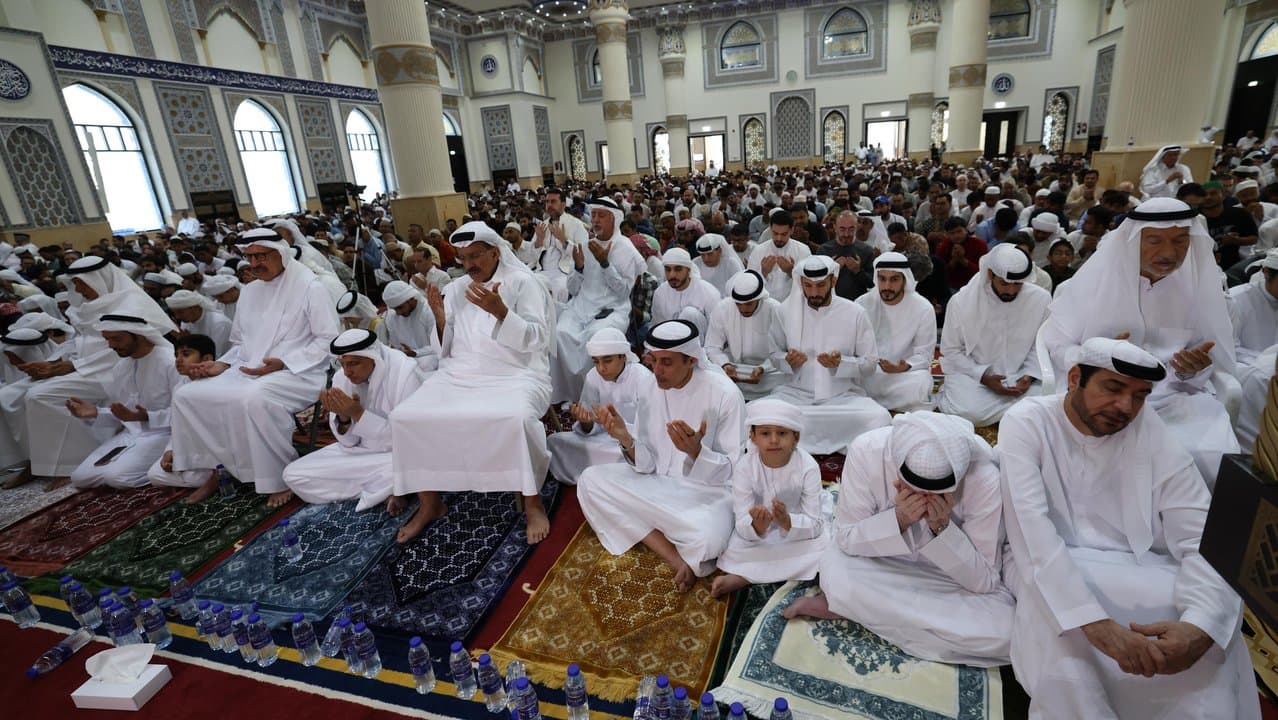
Heavy explosions also shook Dubai as air defences intercepted early incoming fire over the city, where people were observing Eid al-Fitr, the end of the holy Muslim fasting month of Ramadan, and mosques made the day’s first call to prayers.
The renewed attacks came after an intense day that saw Iran hit energy infrastructure around the region and launch more than a dozen missile salvos at Israel following the attack on South Pars.
South Pars, the Iranian part of the world’s largest gas field, is located offshore in the Persian Gulf and owned jointly with Qatar. With some 80% of power generated in Iran coming from natural gas, the attack posed a direct threat to the country’s electricity supplies.
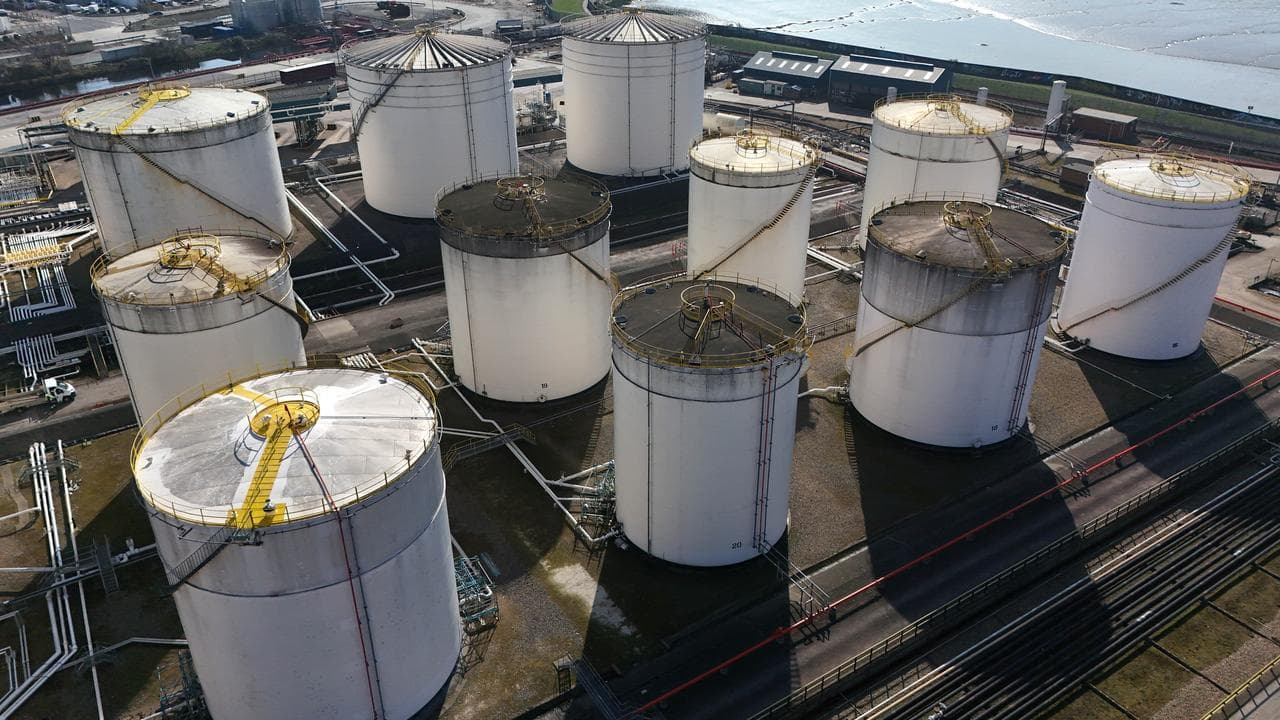
Energy prices jumped on Thursday after Iran responded to an Israeli attack on a major gas field by hitting Qatar's Ras Laffan Industrial City, which processes around a fifth of the world's liquefied natural gas, causing damage that will take years to repair.
Saudi Arabia's main port on the Red Sea, where it has been able to divert some exports to avoid Iran's closure of the Gulf's exit point, the Strait of Hormuz, was also attacked on Thursday.
But oil prices fell on Friday as leading European nations and Japan offered to help secure safe passage for ships through the Strait of Hormuz, the conduit for a fifth of the world's oil supplies, and the US outlined moves to boost oil output.
The strikes on regional energy facilities underscored Iran's continued ability to exact a heavy price for the US-Israeli campaign, and the limits of air defences in protecting the Gulf's most valuable and strategic energy assets.
US President Donald Trump said he had told Israeli Prime Minister Benjamin Netanyahu not to repeat the attack on energy infrastructure.
"I told him, 'Don't do that', and he won't do that," he told reporters in the Oval Office on Thursday.
Netanyahu later said Israel had acted alone in the bombing of Iran's South Pars gas field and confirmed that Trump had asked Israel to hold off on such attacks.
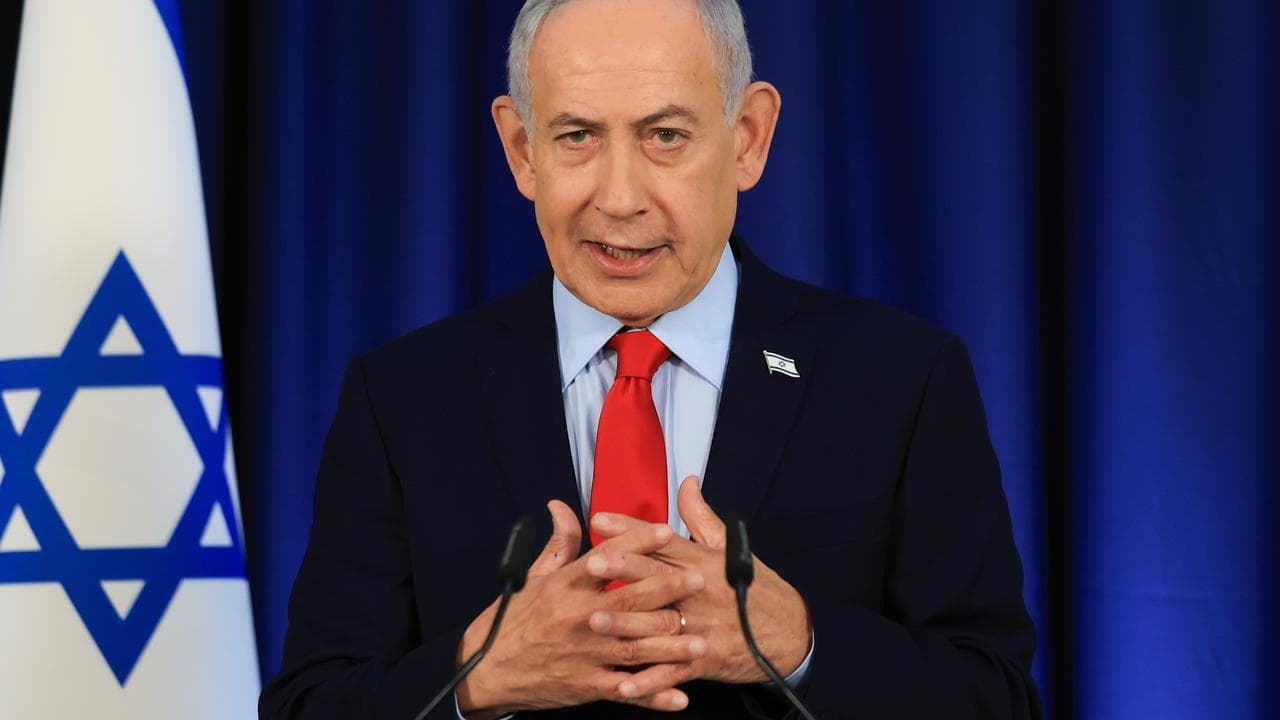
Iran is being "decimated" and no longer had the capacity to enrich uranium or make ballistic missiles, but a revolution in the country would require a "ground component," Netanyahu said, without elaborating.
Britain, Canada, France, Germany, Italy, the Netherlands and Japan issued a joint statement expressing "our readiness to contribute to appropriate efforts to ensure safe passage through the Strait".
They also promised "other steps to stabilise energy markets, including working with certain producing nations to increase output".
There was little indication of any immediate move. German Chancellor Friedrich Merz reiterated any contribution to securing the strait would come only after hostilities ended.
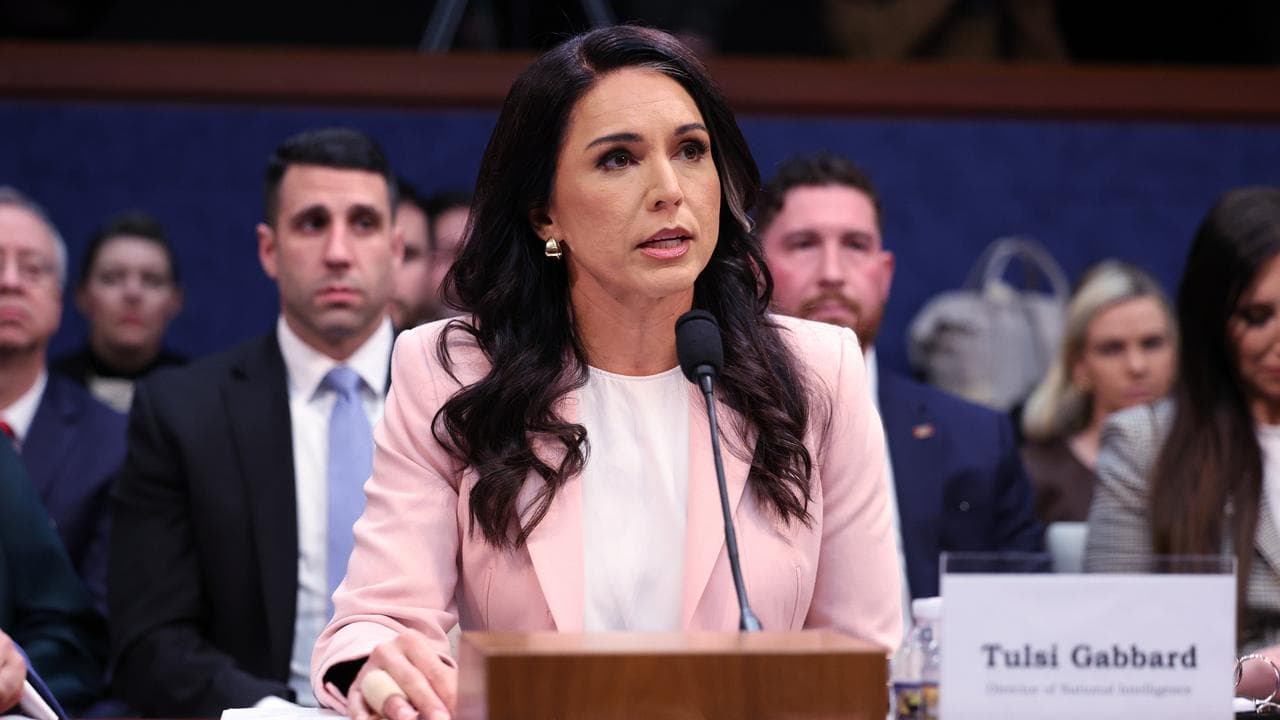
Director of National Intelligence Tulsi Gabbard told a US congressional committee that American and Israeli goals differed.
The Israeli government has been focused on disabling the Iranian leadership while Trump's objectives are to destroy Iran's ballistic missile launching and production capability and their navy, Gabbard said.
Iran's military said strikes on Iran's energy infrastructure had led to "a new stage in the war" in which it had attacked energy facilities linked to the United States.
with AP


