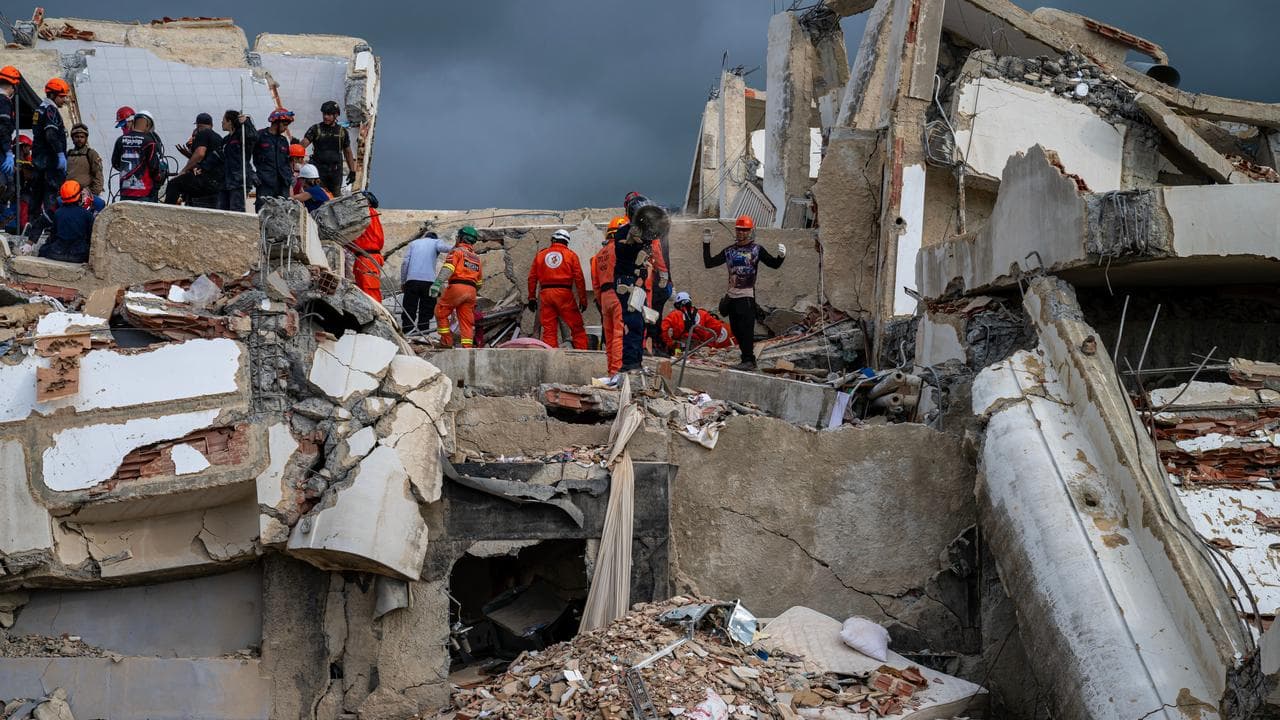
The twin earthquakes in Venezuela have killed 2295 people, the country's Parliamentary President Jorge Rodríguez says.
"As of today, 2,295 people are dead, and 11,267 are injured. We are currently accounting for 12,841 affected individuals," Rodriguez said in an update broadcast by the state-run channel Venezolana de Television (VTV).
He said more than 4000 rescue workers have rescued 6461 people.
"Hope remains intact," he said.
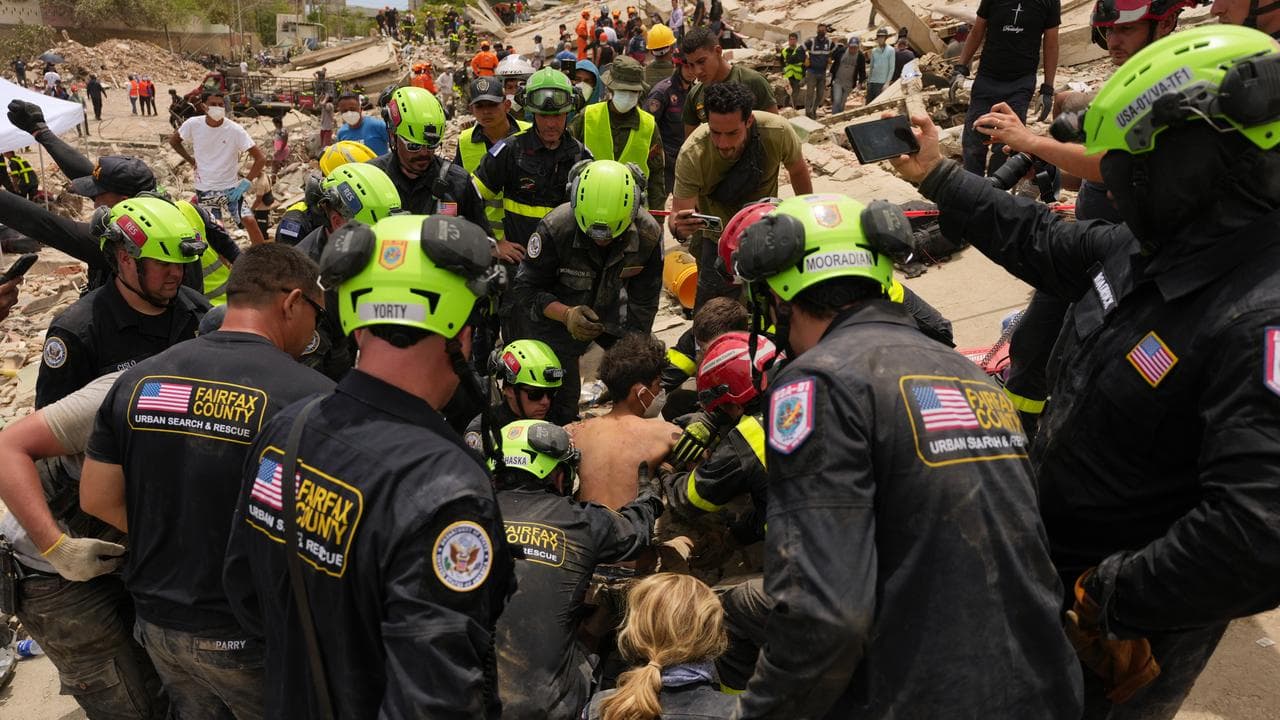
An unofficial but widely used list of the missing stands at 40,567. A United Nations envoy this week said it was procuring 10,000 body bags for Venezuela, an indicator of how large the death toll could ultimately be.
Rodriguez noted 782 aftershocks have been recorded since the double earthquake, though he clarified that their frequency and intensity have decreased over the past two days.
Thousands more were left homeless by the quakes, Rodriguez said during the address.
The Venezuelan government has set up 25 "temporary" camps for those affected: 13 in La Guaira (the hardest-hit area), eight in Caracas, two in Miranda, one in Carabobo and one in Yaracuy.
Residents have criticised the government of interim President Delcy Rodriguez for what they call a slow and inadequate response by the state, while NGO the International Rescue Committee said "the scale of the response does not meet the scale of humanitarian need."
Rodriguez in a post on X said authorities continue helping those affected, as well as supervising recovery efforts.
"I know that many Venezuelans feel pain and frustration. I deeply share those feelings," she said.
The team here is waiting on two major next steps: Visits from the registration authority, to replace lost government identification cards, and from the housing ministry, to clarify what people who lost their homes should do to get aid.
"I feel like I still have the earthquake within me," said shelter resident Deisy Tapias, 36, who was in the shelter with two of her five children. "I wish I could go home."
Her apartment further down the coast was nearly destroyed, though her 17-year-old son was able to rescue their identity cards and tank of cooking gas from the ruins.
Tapias said she was willing to move out of state if that is how she can replace her home.
Her mother, Deisy Bermudez, 55, has an intact home in a nearby settlement and arrived with clothing and food for her family.
"I can't stand shelters," said Bermudez, who lost her house in the 1999 disaster and said she missed out on government housing constructed afterward for victims.
As the women spoke with Reuters, an army transport truck pulled up outside, and soldiers helped eight new families carrying sparse bags of belongings into the shelter, where they were welcomed by the team.
Many of those arriving now have been living alongside the ruins, the team said, and searching for loved ones trapped under rubble.
with EFE


