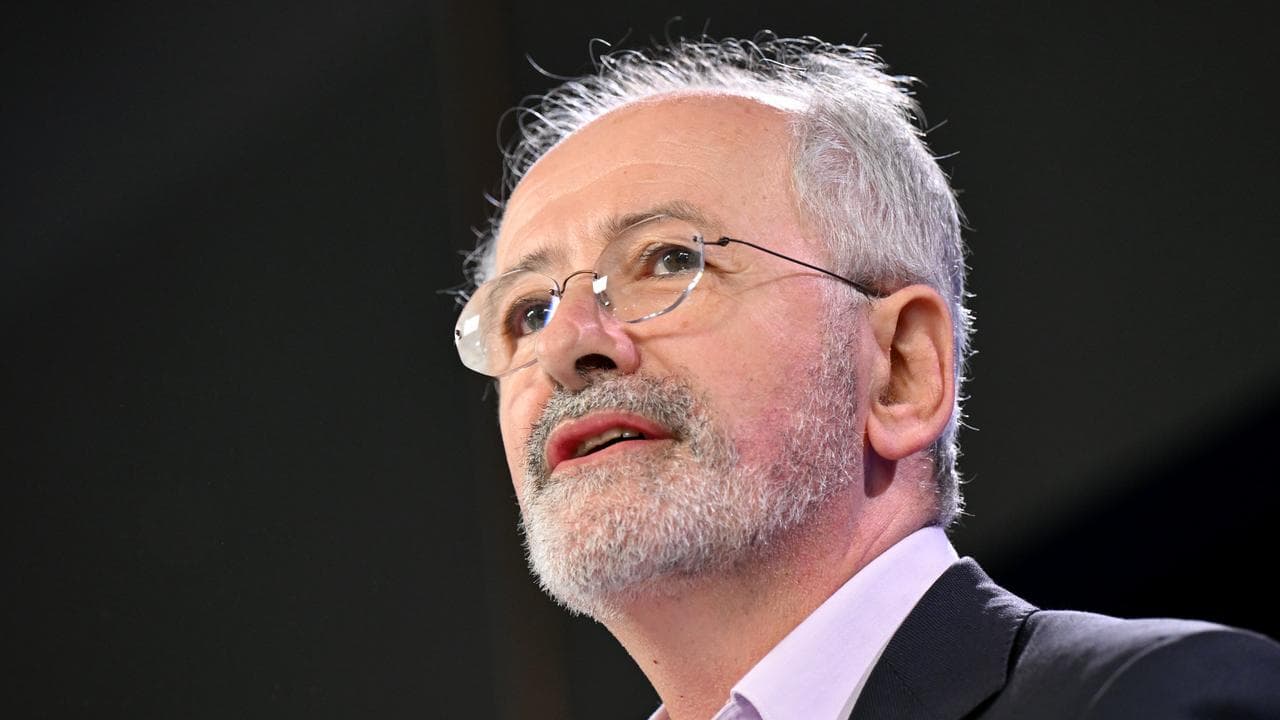
Dementia patients could have access to voluntary assisted dying if a complex ethical debate can be waded through, an advocate has revealed.
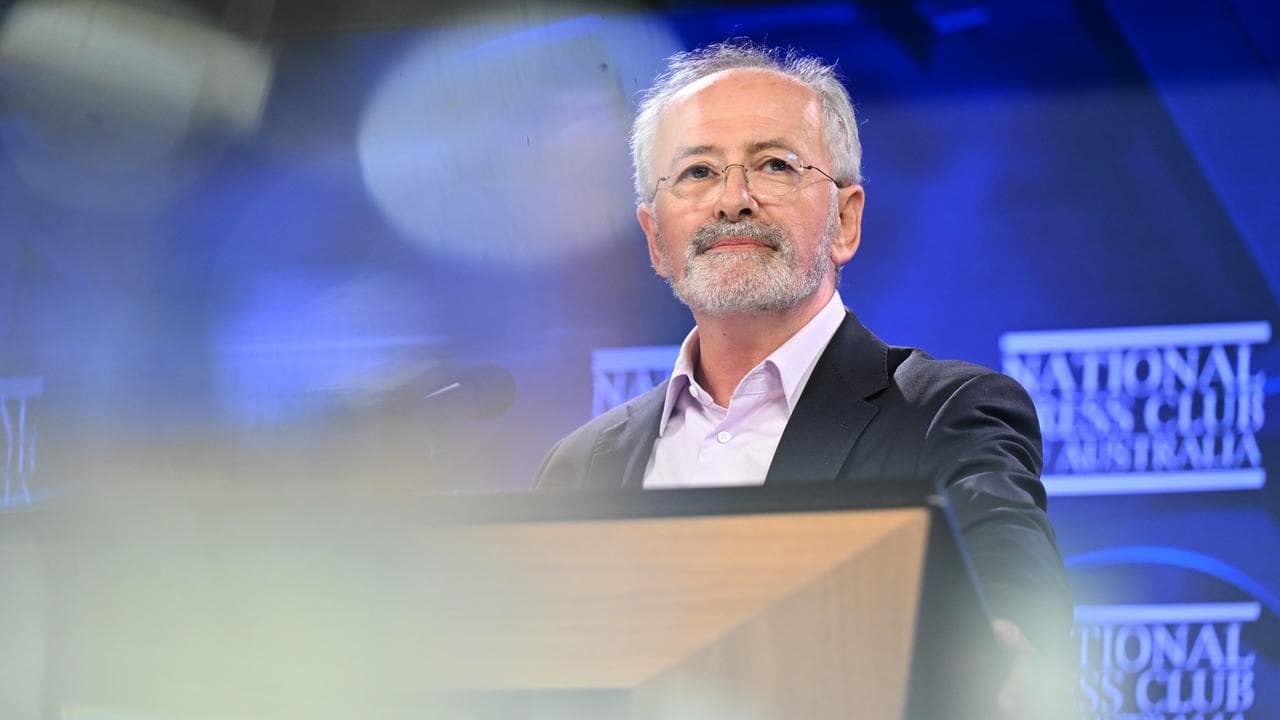
Major studies into the appropriate intersection between euthanasia and dementia will soon be launched, Andrew Denton, one of the country's most prominent assisted dying supporters, said in a speech at the National Press Club on Wednesday.
The broadcaster and founder of advocacy group Go Gentle Australia said Australia's biggest killer was also the most ethically fraught for navigating whether euthanasia was a fair option.
"It is an issue we approach with great caution," Mr Denton said.
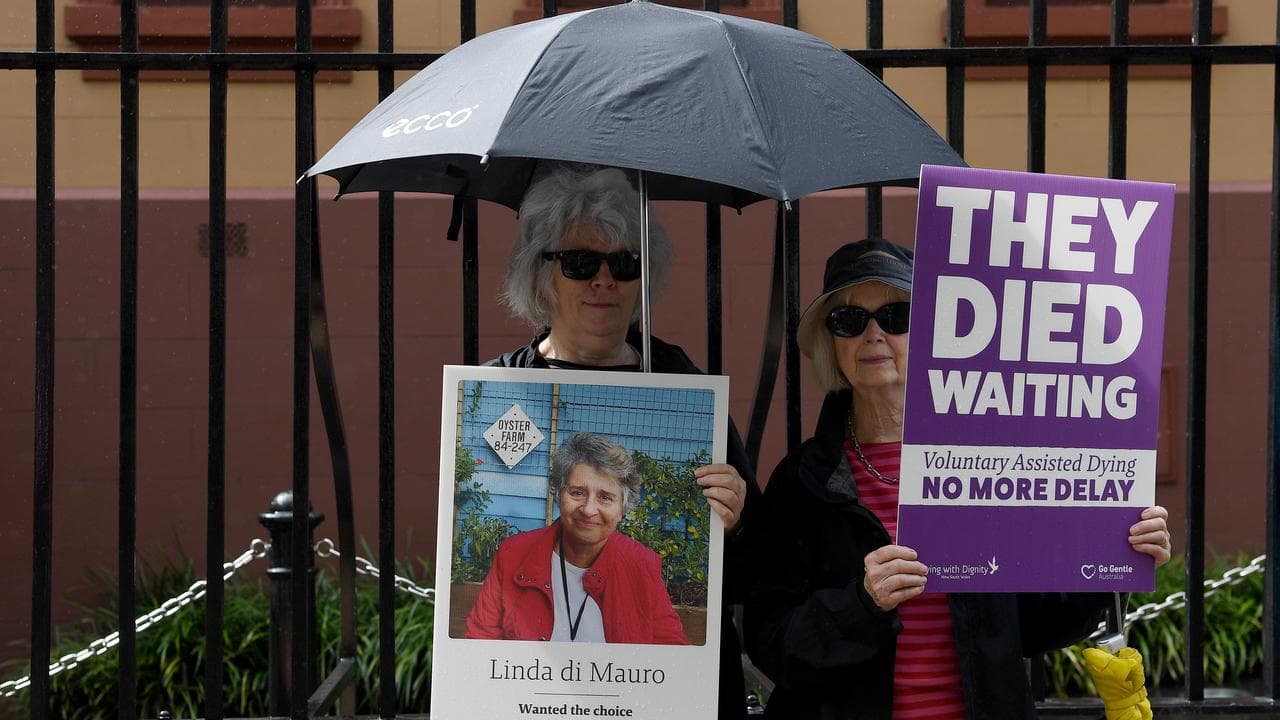
"The disease is complex, and asking a doctor to end the life of someone who can't look them in the eye and say 'yes, this is what I want', is enormous."
But he said the public had an interest in how to save their loved ones from suffering, and with that came an obligation for research.
Go Gentle has already committed funding to research to explore the attitudes of assisted dying practitioners about treating people with dementia.
More work and a campaign direction are expected to follow. Some Scandinavian countries have legalised euthanasia for dementia patients, but uptake is low.
"Any solution to this wicked question will require the experience and buy-in of those who know this territory best," Mr Denton said.
"Saying it is too hard is not an option."
Mr Denton has long campaigned for the legalisation and accessibility of euthanasia after watching his father die without it.
Since Victoria enacted laws in 2016, all other jurisdictions have followed suit, with the Northern Territory being the last to do so in August.
He said attitudes among some medical practitioners, especially those with faith-based ethics, made access for some clients difficult. He wanted to overcome this barrier.
"I strongly support the right to conscientiously object," Mr Denton said.
"I accept the concept of moral injury and that there are people who find assisted dying deeply problematic.
"However, how people feel and what they believe should be separated from how they choose to act."
He also wanted a ban on telehealth services for voluntary assisted dying scrapped.
Laws were set up to stop advice being provided over the phone or internet, but Mr Denton said they prevented people in remote and regional areas from accessing services their city counterparts could get.
"This ban creates a postcode lottery, disproportionately impacting terminally ill people in rural and remote Australia, who cannot manage the travel required," he said.
Federal Labor agreed at the party's national conference in July to bring forward debate on scrapping the telehealth ban, with its members granted a conscience vote.
Prime Minister Anthony Albanese has opposed any changes to the laws.
Lifeline 13 11 14
beyondblue 1300 22 4636


