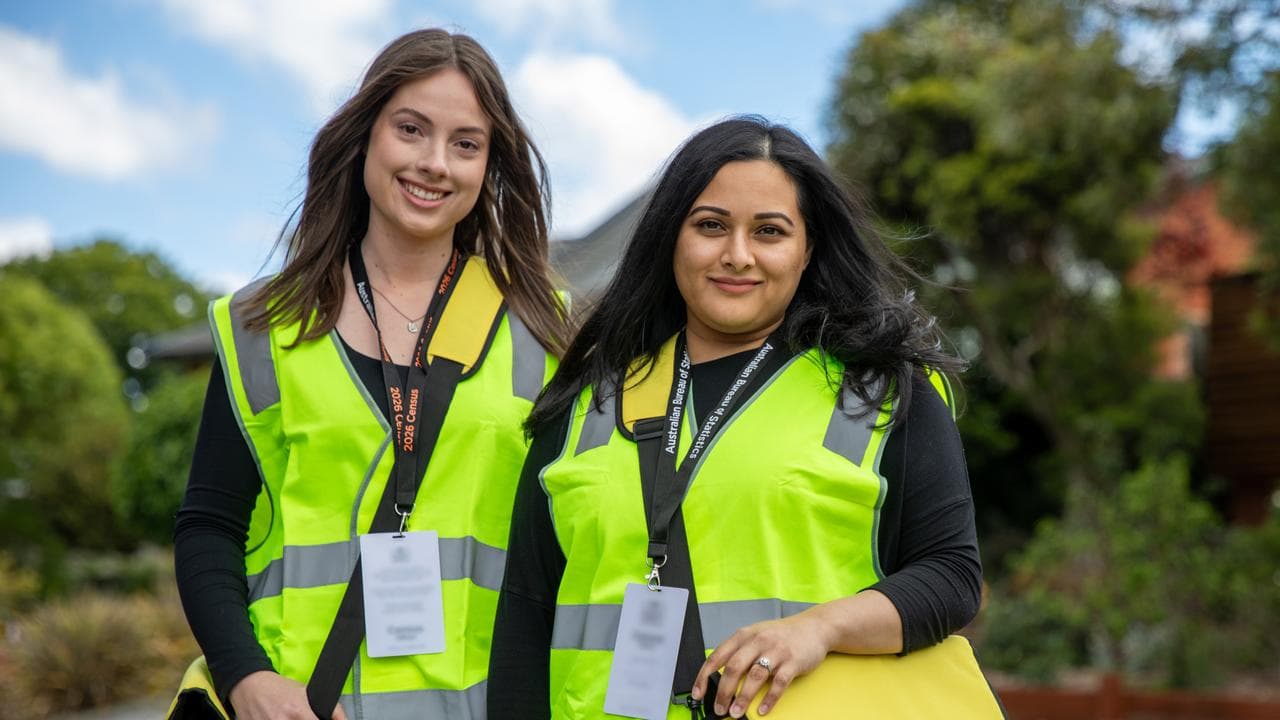
“What we count matters because what matters is counted.”
For many Australians, the census is a form filled out simply to avoid a fine, barely giving it a second thought in the five years between each edition.
But for one group which has faced historical discrimination for their identity, questions over their right to exist and pushback every time they strive for greater recognition, this census is an opportunity.
For decades, Australia's LGBTQI community has campaigned for the national survey to gather data on the prevalence of queer people.
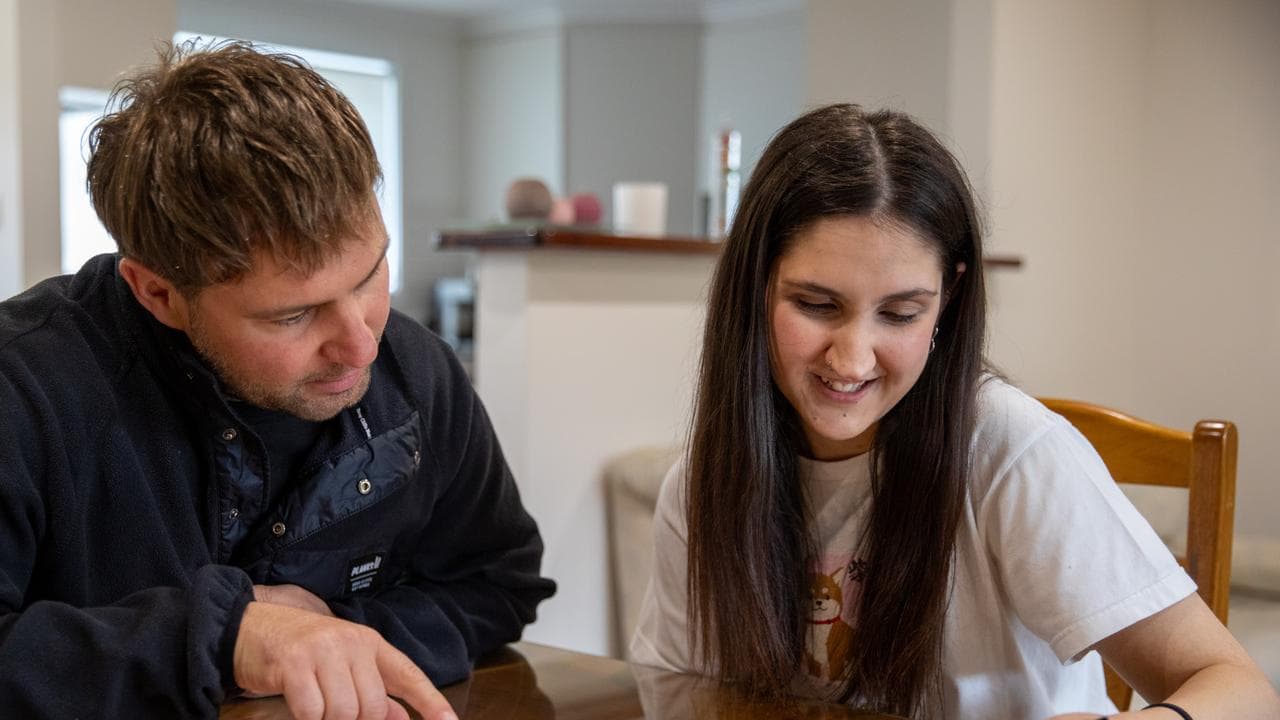
For the first time, questions will ask a respondent’s sexual orientation and gender identification, in addition to the already established question which asks for their sex at birth.
The census is Australia’s biggest and most comprehensive national survey, but is also so much more than data collection.
The questions have a long history of signifying what matters to the nation and answers have far-reaching ramifications for government policy, for the delivery of resources and programs to many communities within Australian life.
It is why the queer community - including National LGBTIQ+ Health Australia chief executive Nicky Bath - is heralding the historic moment.
“When we look at history this will be marked as a point in time for us, it's incredibly important,” Ms Bath told AAP.
Australian National University demographer Liz Allen believes it is the biggest census transformation in more than 50 years, since it first asked Indigenous status.
"These questions mark a massive watershed for Australia," Dr Allen told AAP.
“It reflects a recognition of humanity.
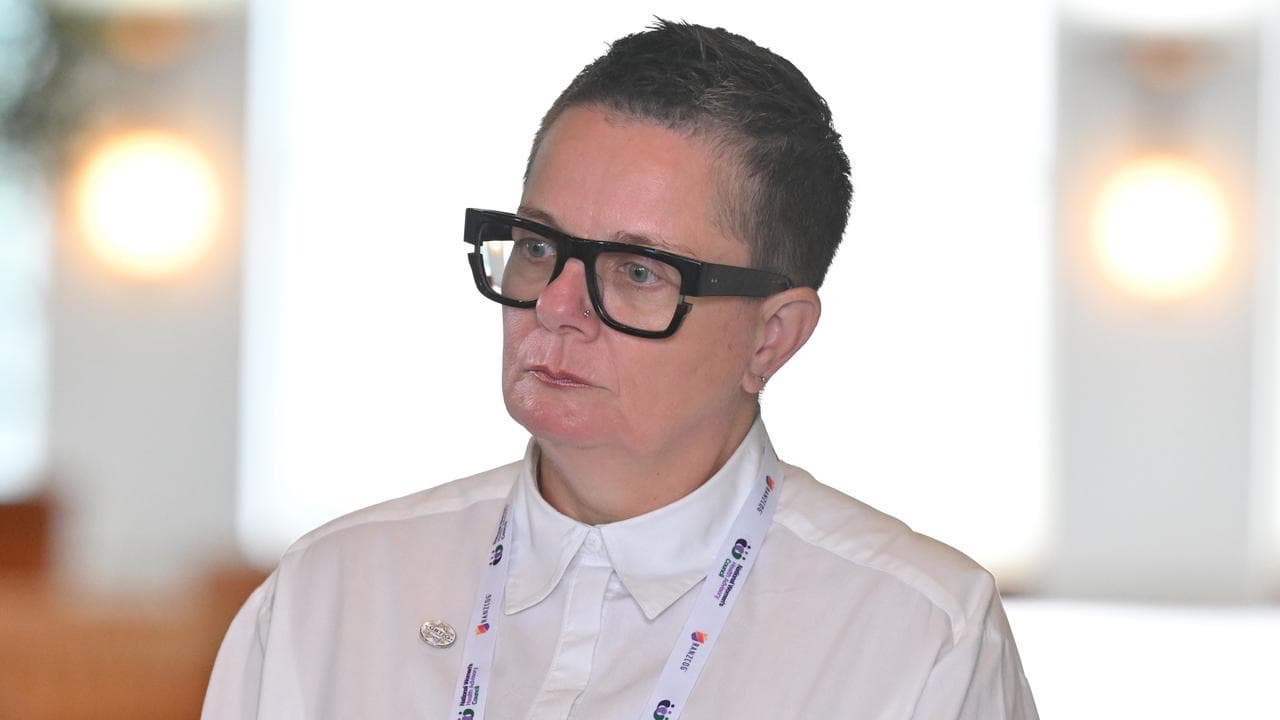
“This moment in time is monumental, not necessarily just for the data, but more so for the signal it sends to individuals across Australia that we all count, we all matter.”
The significant change did not come without controversy.
In 2024, Anthony Albanese vetoed testing of sexual orientation and gender questions in the hopes of avoiding a culture war, only for the backlash to grow so strong it was permitted.
Dr Allen labelled it the biggest debacle in the history of the census.
“The major controversy of the backflip and then the enormous somersault and then pike landing that was the current political shit show in the lead up to the 2026 census,” she said.
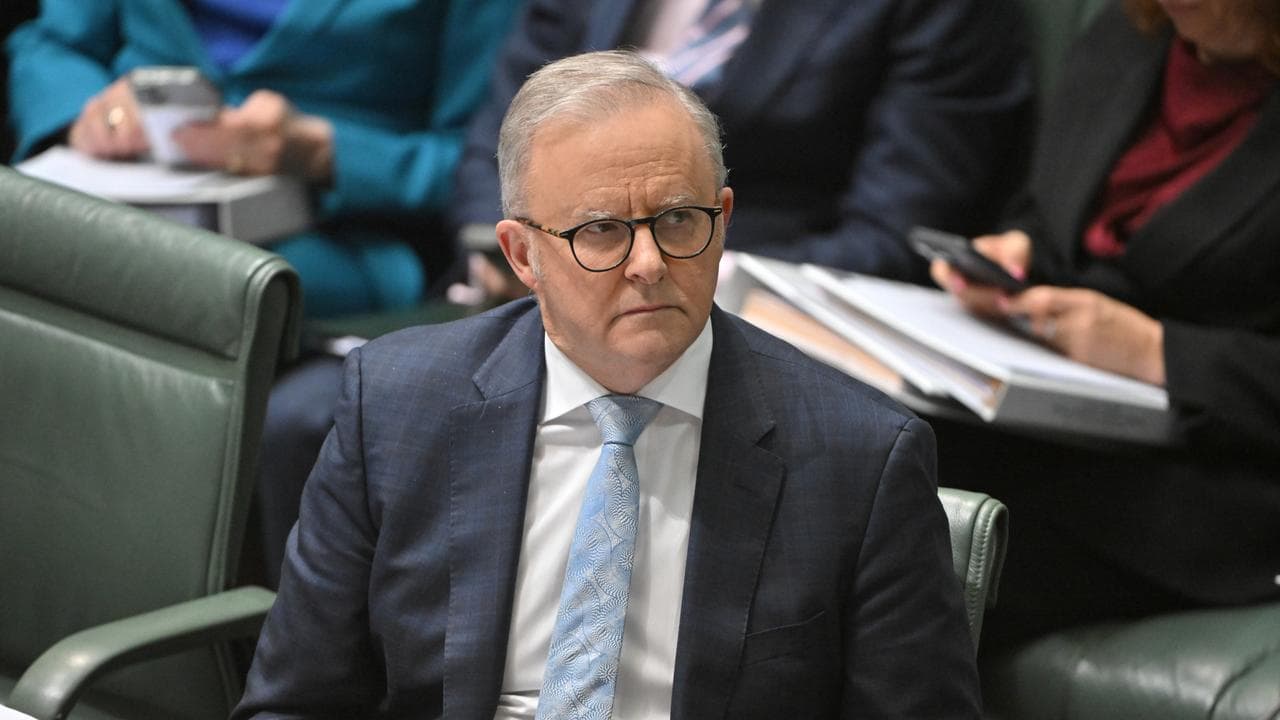
"That level of political interference we have not seen in modern history."
Ms Bath shared disappointment from the queer community that the gender question can only be answered by people aged over 16, eliminating data on gender-diverse youth.
While there was progress for so many LGBTQI people, one letter of the acronym remained notably excluded from the census.
The "I" for intersex people will not be included in the 2026 count.
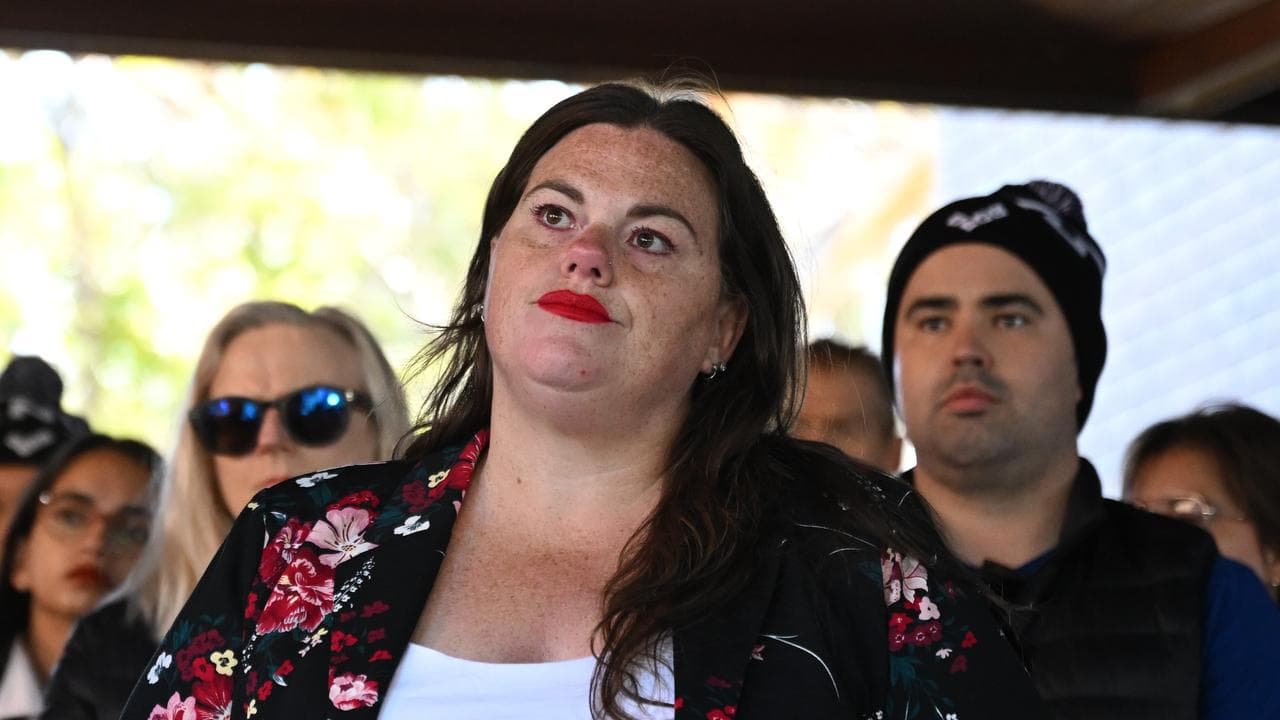
A question asking whether a respondent had an "innate variation of sex characteristics" was tested, but ultimately ditched from the final questionnaire.
InterAction Australia director Morgan Carpenter lamented that call.
“The census is the biggest and most important survey in Australia, so not having this question is such a huge lost opportunity to get accurate data on our small population,” he told AAP.
"There are lots of gaps in the data on our population (but) we know there is evidence of a lot of social exclusion under low incomes, low educational attainment by many people with intersex variations."
The biggest hurdle was simply the Australian public could not decipher the question in testing.
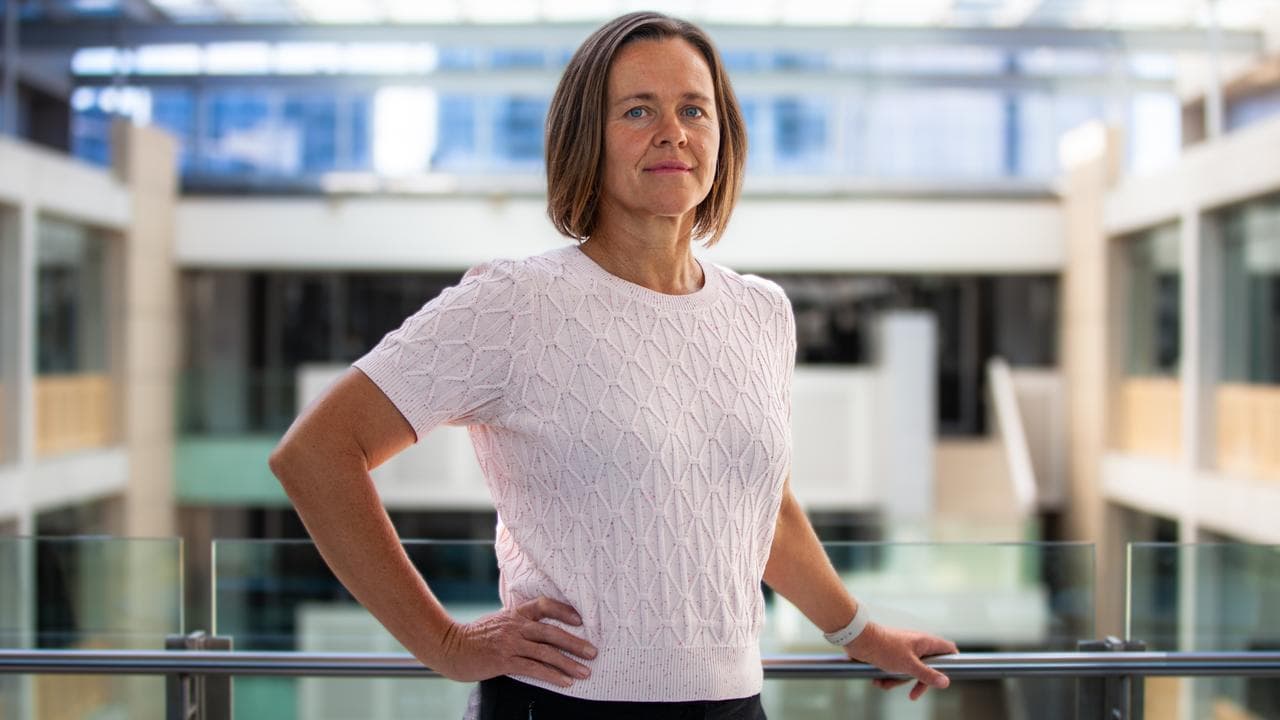
"The questions need to make sense and be well understood by everyone," census national spokesperson Emily Walter told AAP.
While the fight continues for intersex people, the census is still being hailed as the most progressive in more than a century of population surveys.
“It's not the gold standard in that we've got the age restrictions, and there's no innate variations of sex characteristic question, but nevertheless we can't walk away from the fact this is a historic moment for LGBTQ+ people,” Ms Bath said.
The transformation is just one of many the census has undergone since the first edition in 1911.
Back then, the entire survey fitedt on a pocket sized card, asking very simple questions on age, gender and ancestry.
A one-time question in 1947 asked people if their home had a flushing toilet.
"It provides a really rich picture of the economic, social and cultural makeup of the country, and that is used to understand what we need now and into the future to support the country," Ms Walter said.
One community crying out for support are people suffering homelessness.
But for rough sleepers, having no mailbox makes it near-on impossible to fill out the form.
It is why the ABS partners with the homelessness support sector to perform a more manual count on one of the nation's most vulnerable populations.
“We'll be in places like soup kitchens or street medical facilities where we know people sleeping rough seek support," Ms Walter said.
Jackson Hills, the chief executive of advocacy group National Shelter, said it would be difficult to gather good data on the community on just one night, which is why data is collected for couple weeks to try to capture as many people as possible.
"Just showing up for a count with no relationship is a very cold way to go about it," Mr Hills told AAP.
"The government goes in collaboration with the service system because there's some rapport and relationship there to work from, and those people will know more about the circumstances of each of the individuals involved."
As Australians complete the 2026 census, they won't just be answering questions on a form, but shaping an understanding of the communities that make up the nation.


