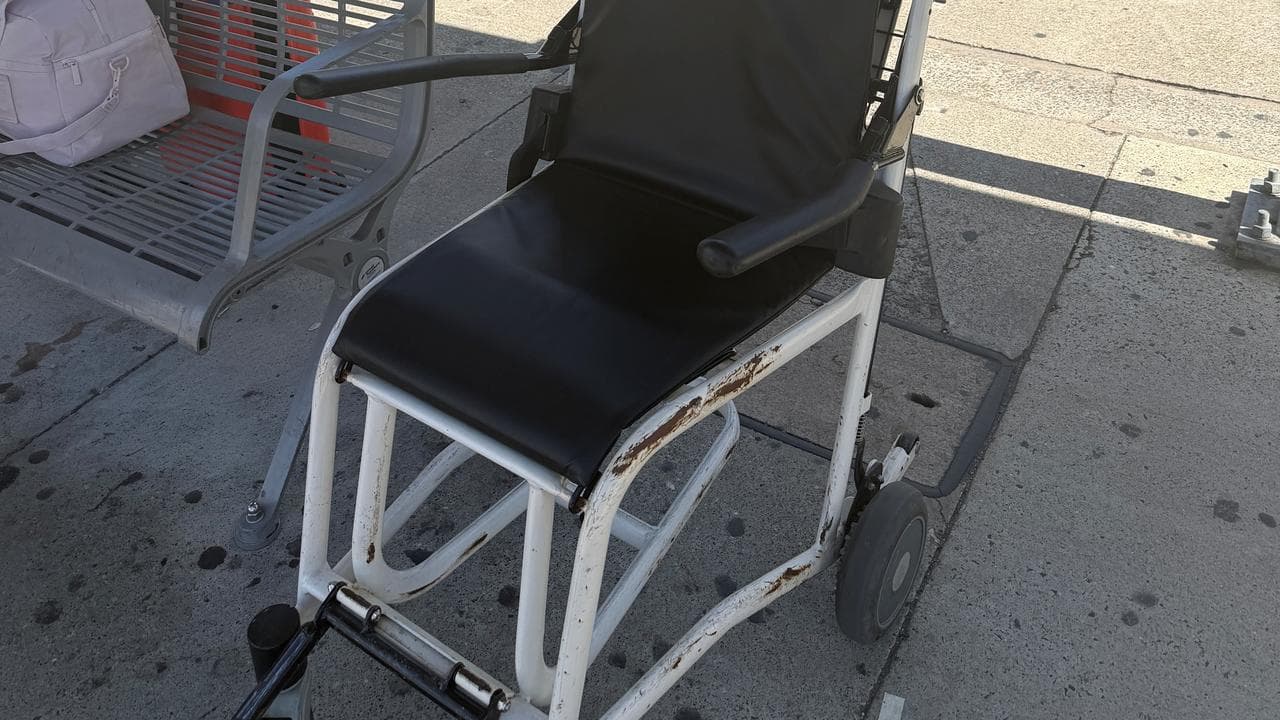
A disability advocate says he was forced to take a 14-hour train journey home after an airline was unable to meet his accessibility needs on a flight.
Mark Pietsch, who has a muscular skeletal movement disorder as well as arthritis, said he paid for two seats and extra legroom on his Qantas flights between Sydney and Melbourne to attend a disability conference in 2025.
The NSW director of Physical Disability Australia said he spoke for hours to the airline ahead of his flight to ensure the armrests between his seats moved up, as he requires extra space on flights due to his limited mobility.
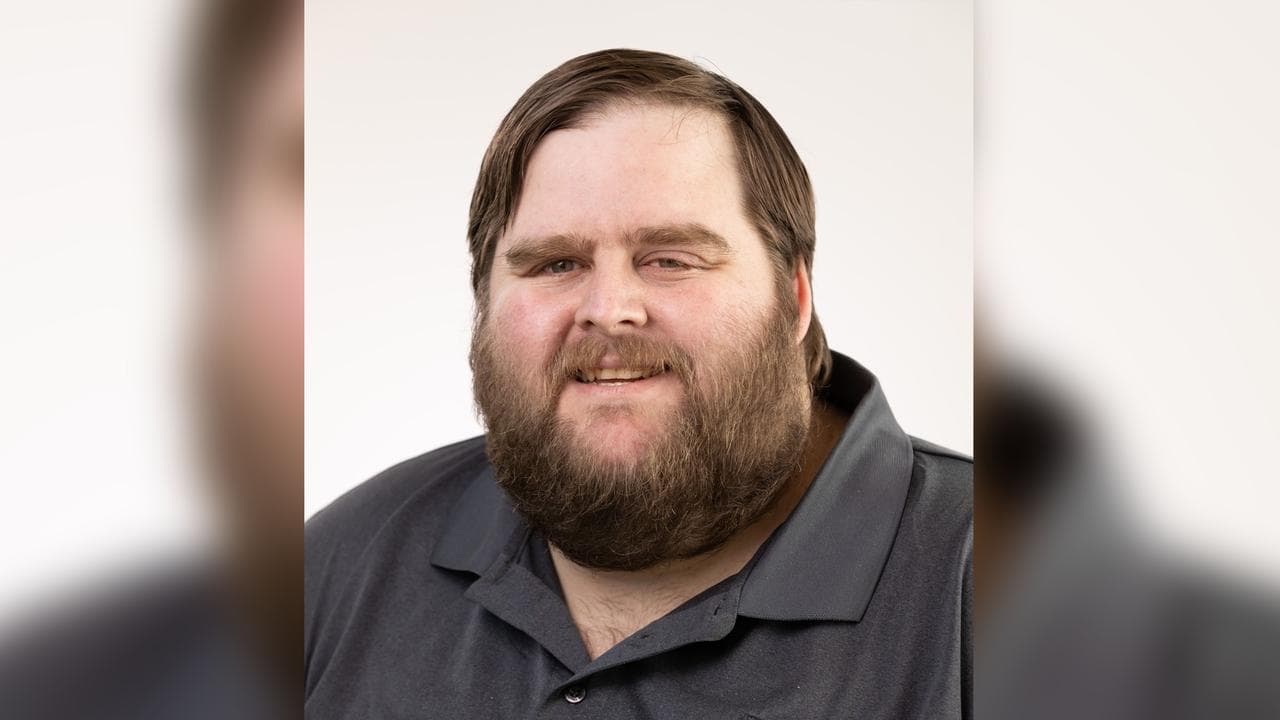
But when he got on the flight, he said he was “stuck in front of everyone” unable to take his seat as the armrests did not move.
“My worst fears came into play,” Mr Pietsch told AAP.
After initially being told he would have to take a different flight, Mr Pietsch said he was moved to a larger, business class seat.
But he said Qantas was unable to guarantee a seat that met his accessibility needs for his trip home unless he paid an extra $1000 to upgrade to business class.
He ended up having to take an overnight train home to Wollongong - a journey that took 14 hours.
“For many people with a disability, (air travel) becomes such an unreasonable ordeal,” Mr Pietsch said.
“Many of us just don't travel and we give up opportunities.”
Qantas said it was committed to supporting customers who required specific assistance and to identify suitable seating options.
"Unfortunately, Mr Pietsch was not advised at the time of booking, or before boarding the flight, that the armrests in the bulkhead row were fixed and could not be raised on that aircraft," the airline told AAP.
"When the issue with the armrests was identified on the day of travel, our team moved him to a business seat at no additional cost."
The aviation giant said he had elected for a refund for the return flight.
Mr Pietsch said he was in the process of launching Federal Court action against the airline after an unsuccessful mediation attempt through the Australian Human Rights Commission.
"I'm not doing it for myself," he said.
"I just want them to make some changes, to consider the ongoing implications."
It comes as advocates call for tougher rules for how people with disabilities are treated while flying.
In its submission to a government consultation for aviation disability standards, Physical Disability Australia said industry guidance - in place since 2002 - was largely ignored.
As a result, people with disability regularly report being dropped during transfers, having their wheelchairs destroyed or being told they could not fly at all, the peak body said.
"Airlines and airports have had every opportunity to get it right voluntarily," chief executive Suzanne Gearing said.
"No other group of Australians is asked to gamble their independence and dignity every time they travel."
She called for mandatory, specific and enforced regulations.
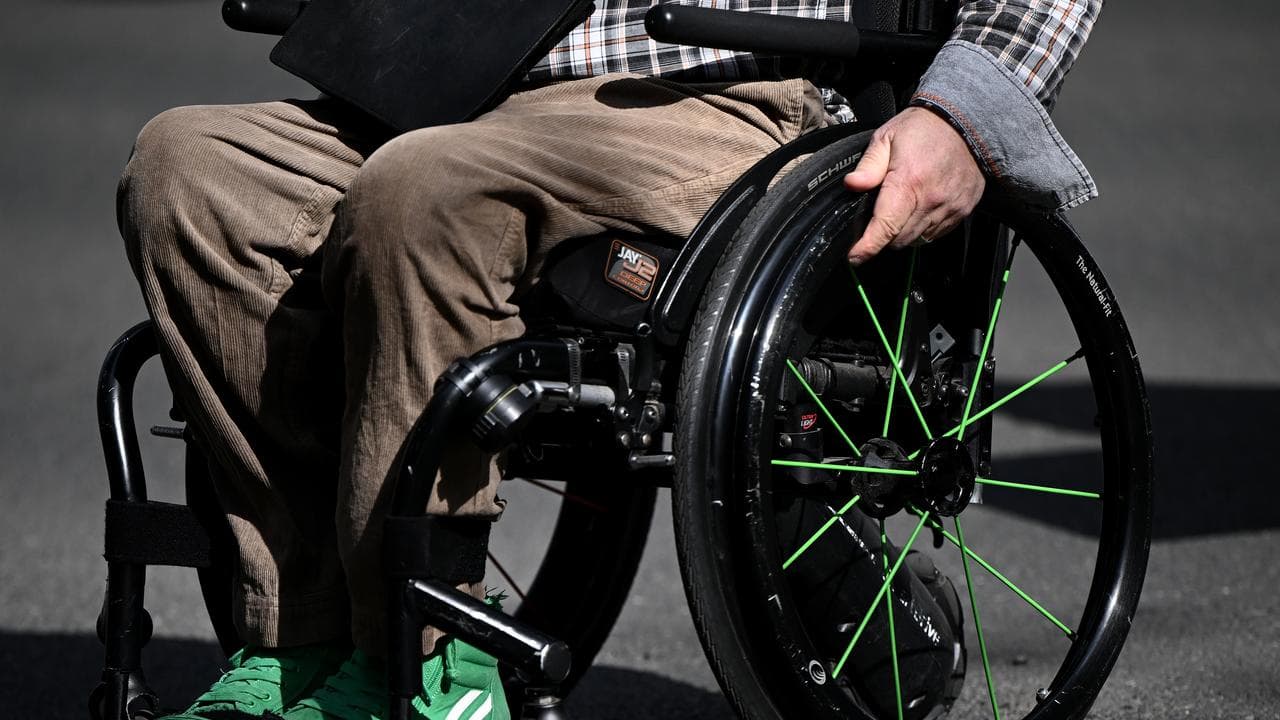
They include treating mobility aids, like wheelchairs, walking sticks and crutches, as an extension of a person, including allowing them to be carried in-cabin where possible.
Other suggested regulations included allowing people to stay in wheelchairs for as long as possible while travelling.
The group also called for clearly defined roles and responsibilities between airlines and airports to avoid passengers being bounced between the two when their needs were not met.
"Flying is not a luxury. It is how we get to work, to medical care, to family, to a life," Ms Gearing said.
"We are not cargo. We are passengers. It's time the rules said so."
Advocates and legal groups have previously called for changes to Australian laws, which currently mean mobility aids are considered baggage.


