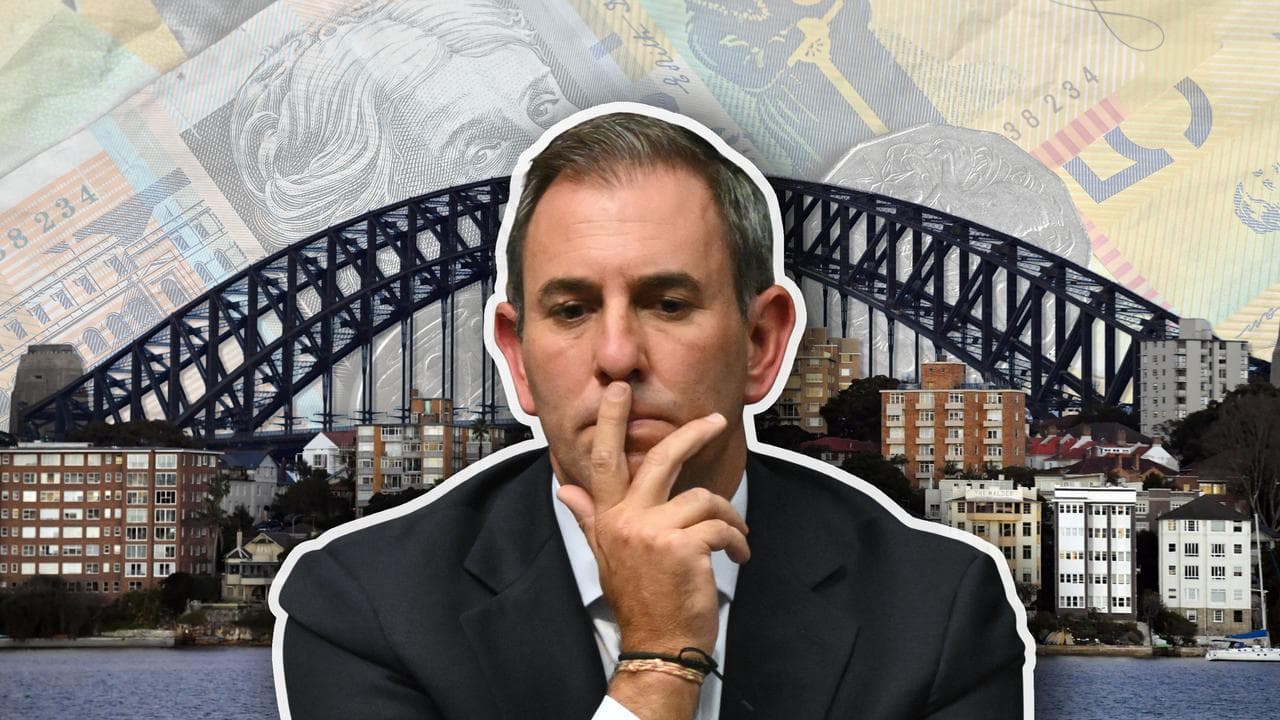
An influential global economic body has warned governments to cut spending and reduce debt levels, as Treasurer Jim Chalmers says Australia faces billions of dollars in high borrowing costs due to rising bond yields.
Bond yields have risen to the highest levels in 15 years across the developed world, amid mounting concerns about the sustainability of government debt levels and increased borrowing by artificial intelligence firms, the Paris-based OECD said in a report on Wednesday.
The result was higher borrowing costs throughout the economy, exacerbating pressures on public finances.
"Rising bond yields underline more than ever the need for enhanced efforts to contain and reallocate government spending, improve public sector efficiency and strengthen revenues to ensure longer-term debt sustainability and maintain the ability of governments to react to significant shocks," the OECD said in its interim economic outlook report.

Commonwealth debt on issue recently surpassed $1 trillion for the first time.
Interest payments are forecast to hit $29.6 billion this financial year and exceed $42 billion a year by 2029/30.
Already one of the fastest-growing calls on the federal budget, Dr Chalmers warned debt interest costs would blow out by "billions of dollars".
"We're better placed than other countries in this regard when it comes to borrowing costs because our debt is a sliver of what other countries are carrying and we've got it down further since we've been in office from the trajectory that we inherited," he told The Conversation's Politics with Michelle Grattan podcast.
"But in the mid-year update, I think one of the things that people can expect to see is the damaging impact of higher bond yields on everyone's budget, including ours."
The warning came as the OECD, helmed by former finance minister Matthias Cormann, downgraded Australia's economic growth forecast by 0.1 percentage point to 1.7 per cent in 2027.
The report projected GDP to grow by 1.9 per cent in 2026.
Higher energy and agricultural commodity prices as a result of the Middle East conflict would result in slower global growth, but the AI boom was lifting activity in economies such as Australia.
"The aggregate economic effects of the conflict were partially counterbalanced by the continued rapid growth in artificial intelligence-related investment and production in many economies," the report said.
"In some, such as the United States, Canada and Australia, real GDP growth in the second quarter was boosted by investment in data centre structures and technology equipment."
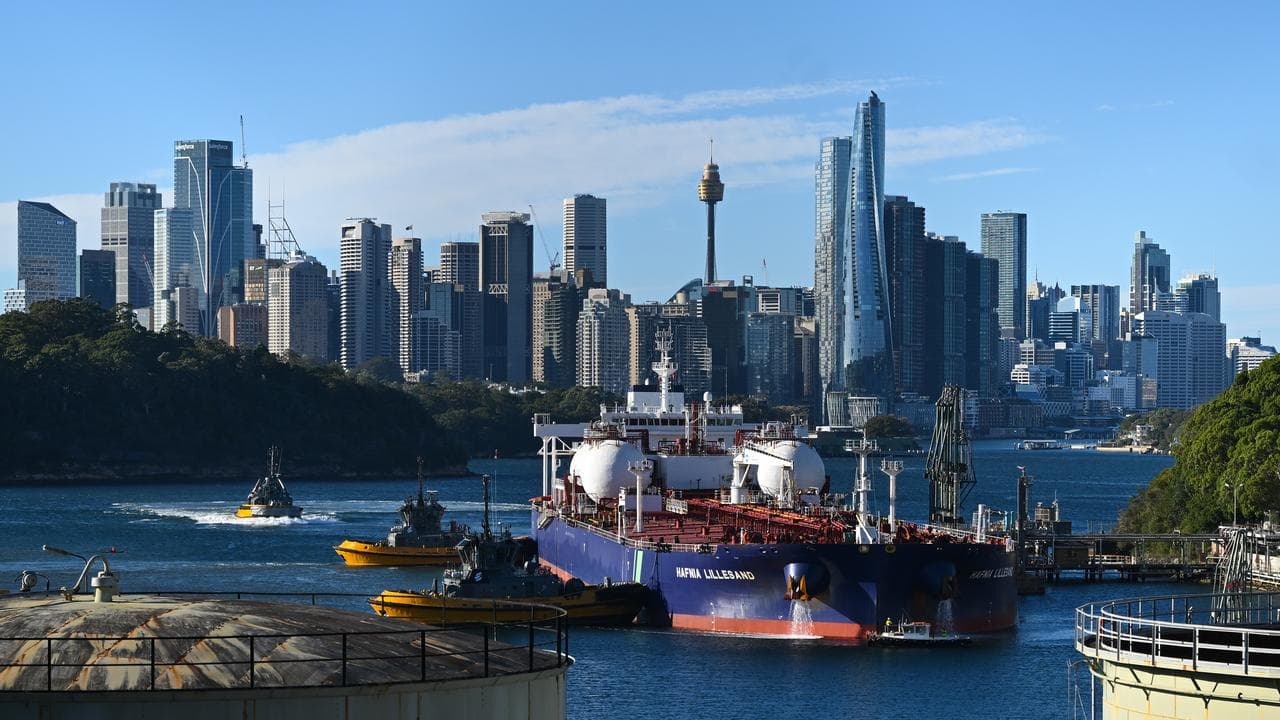
The benchmark Brent crude price retreated below $US100 a barrel overnight as Saudi Arabia prepares to bring a crucial oil pipeline back on line, but high petrol and diesel costs will continue to put pressure on inflation.
The OECD revised up its inflation forecasts in Australia to 4.5 per cent in 2026 and 2.8 per cent in 2027.
Along with the oil shock, a very strong El Nino forecast could hit food prices.
"A very strong El Nino is associated with a higher probability of drier conditions in Australia, a weaker monsoon in India and drought in Indonesia and Southeast Asian countries, which all curb agricultural production," the report said.


