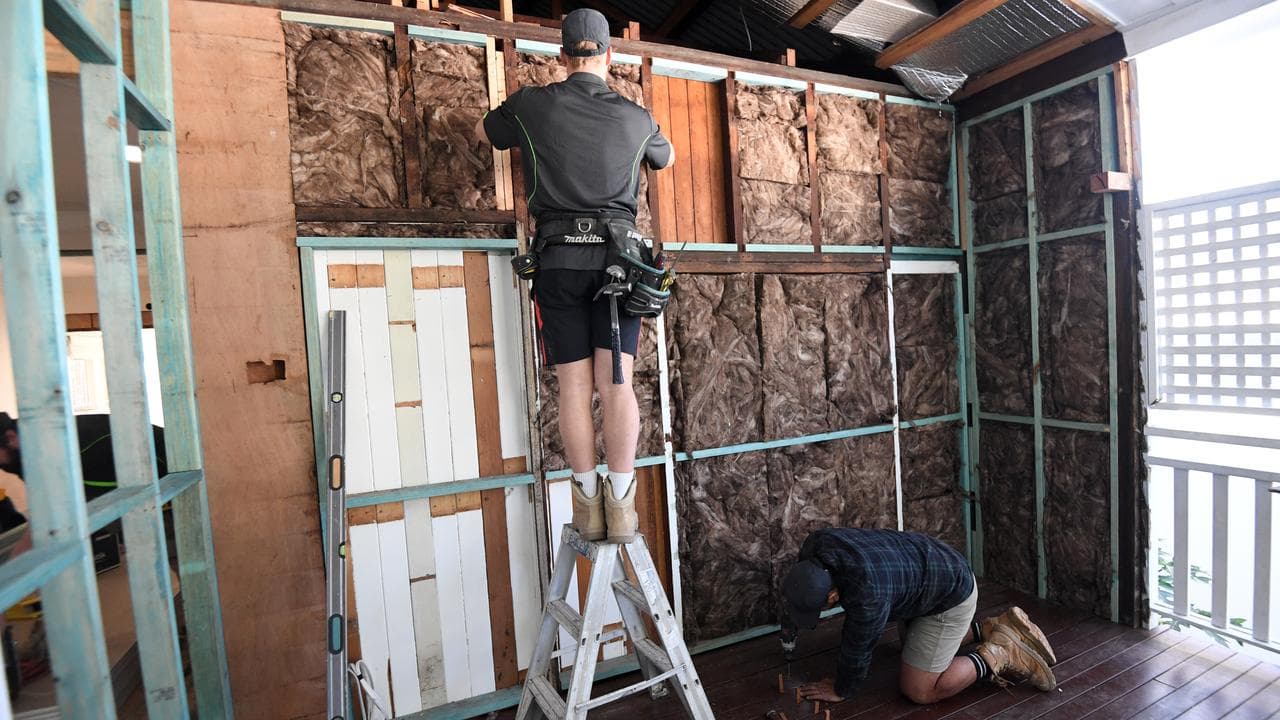
Australia has fallen further behind its ambitious target to build 1.2 million new homes by the end of the decade.
The timeline to meet the target has been pushed back by another three months since April, according to the government's housing advisory body.
The National Housing Supply and Affordability Council's latest quarterly report, released on Friday, forecast the target will be reached by the end of 2030 - 18 months later than the deadline of mid-2029.
Although building approvals have risen by 26 per cent and commencements have jumped 15 per cent since the start of the accord period in July 2024, progress has been stifled by the Middle East conflict and higher interest rates in 2026.
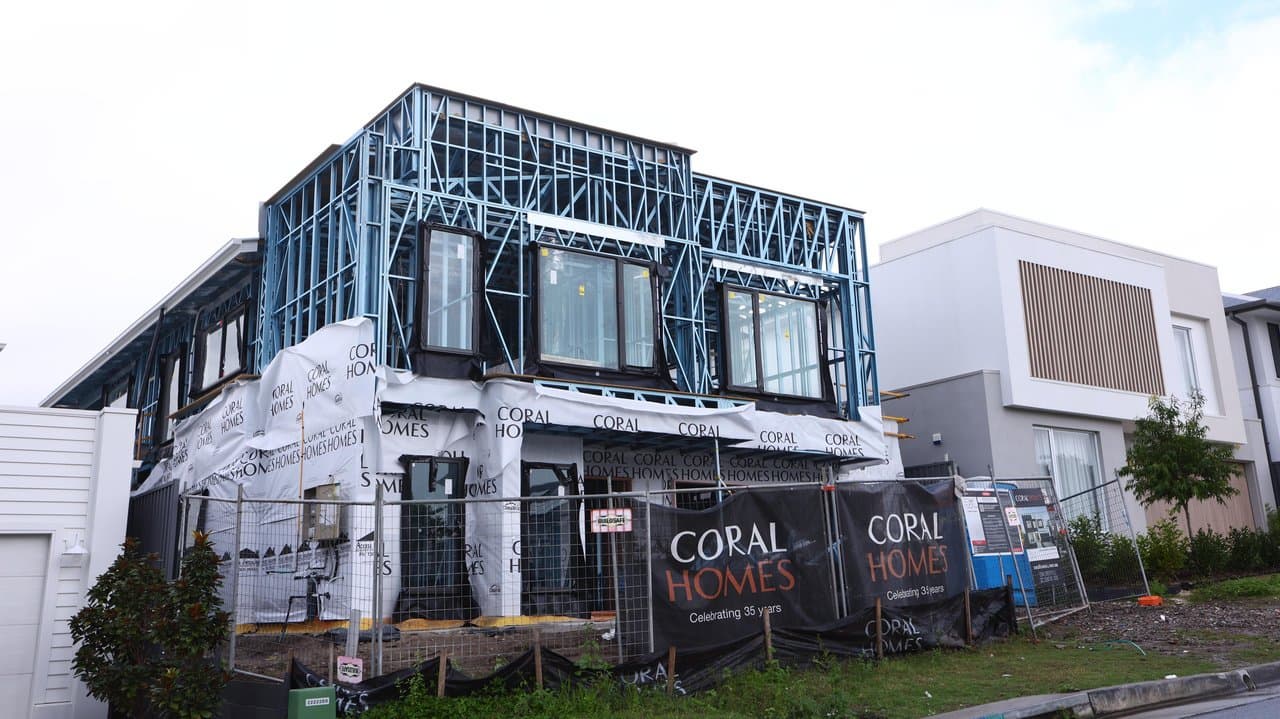
Construction costs rose two per cent in the June quarter and are 51 per cent higher than pre-pandemic levels.
"Higher fuel and petrochemical prices arising from the conflict in the Middle East have had flow-on impacts on housing construction costs in recent months," the council said.
"Increasing construction costs may reduce the financial feasibility of some housing projects, which presents risks to housing supply in the near term."
While recent curbs to investor tax breaks in the budget would have a "modest" impact on supply, the council supported the measures as a step to improve affordability.
Growth in construction costs had eased from 17 per cent per year in 2022 to 3.8 per cent, in line with inflation, Housing Minister Clare O'Neil said.
"We came to government with a housing system that wasn’t working for Australians,'' she said.
"We’re turning that around - building more homes, helping renters and investing in 55,000 new social and affordable homes."
Following the budget tax changes, focus among progressive housing advocates has shifted to the way Australia funds social and affordable homes.
Despite the name, critics say the model results in homes that are not affordable for low-to-medium income earners.
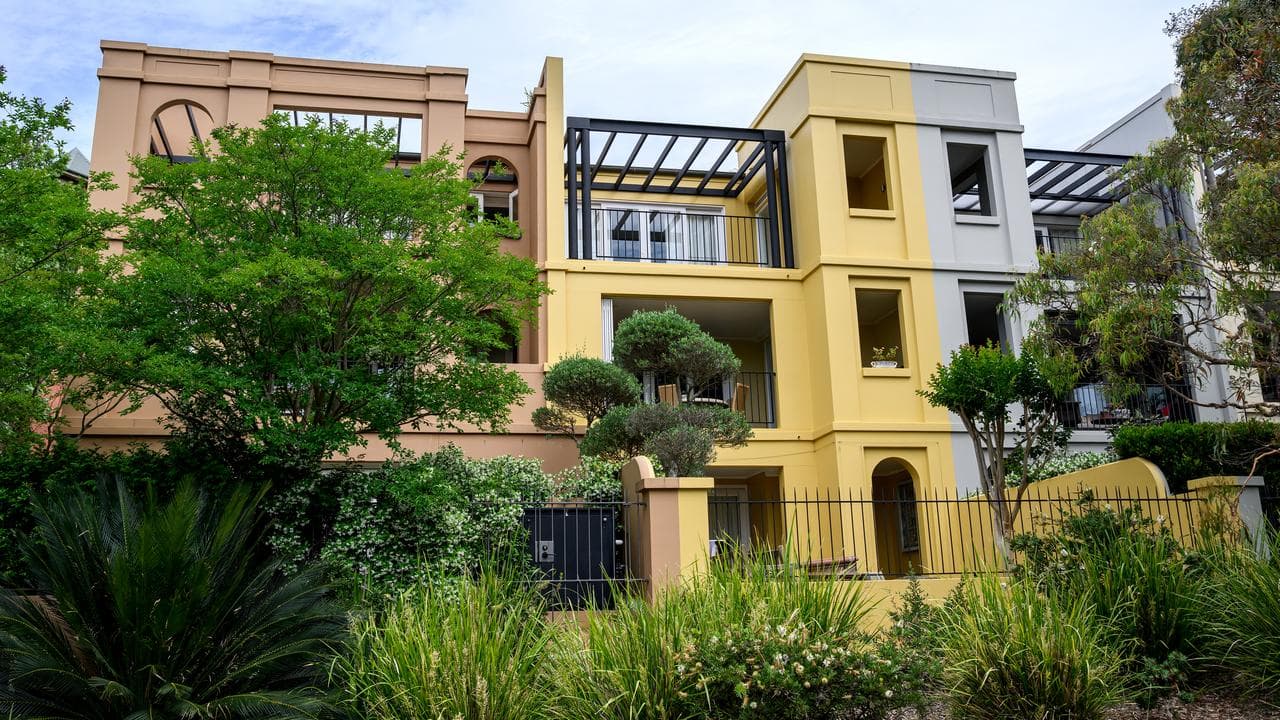
Scrutiny has grown on the Housing Australia Future Fund, the $10.9 billion centrepiece of Labor's efforts to fix the housing crisis, which provides periodic disbursements to community housing providers, builders, and state governments.
A report by the Australian National Audit Office in July showed the fund had only delivered 1432 homes almost two years into its five-year, 40,000-home target.
Almost half of those had been purchased by the fund and handed to social and affordable housing providers, rather than built from scratch.
On Thursday, the Senate established an inquiry to investigate the social and affordable housing sector and the housing fund.
Housing Industry Association managing director Jocelyn Martin welcomed the six-month inquiry, saying it must address the bottlenecks holding back social housing supply, such as planning delays and workforce shortages.
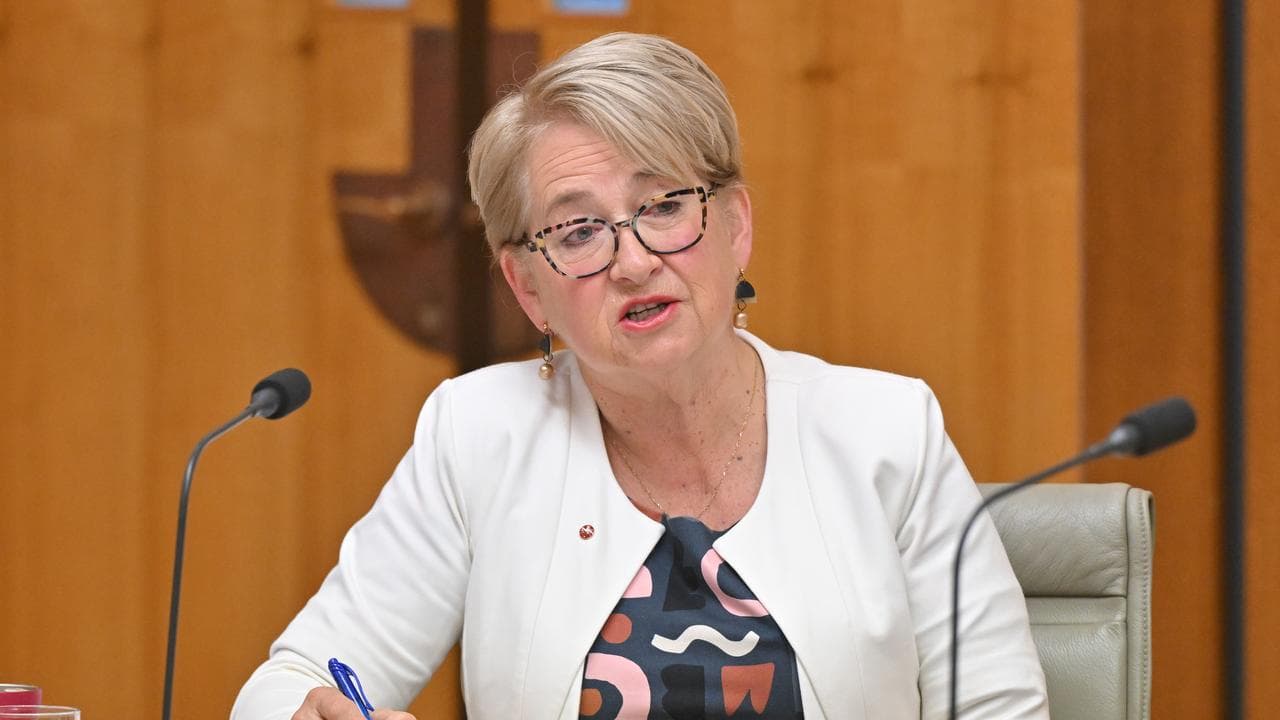
Greens housing spokeswoman Barbara Pocock, who will lead the inquiry, said the HAFF was "too small, too slow and too complicated".
"The notion of affordability is fuzzy," Senator Pocock told AAP.
"We need a model of affordability which goes to the per cent of income."
The Australian Housing and Urban Research Institute classifies housing as affordable when it does not exceed more than 30 per cent of gross household income.
The lack of a single nationally-applied definition of "affordable housing" means many taxpayer-subsidised developments marketed as affordable housing set rents at 75 per cent of what is deemed market rate, Independent MP Nicolette Boele said.
But when the median rental in Sydney costs $841 a week, according to data firm Cotality, even a 25 per cent discount places properties out of reach for a large proportion of low-income earners who qualify for housing assistance.
Hal Pawson, associate director at UNSW’s City Futures Research Centre, said the greatest need for affordable housing tended to be in the most expensive areas of capital cities.


