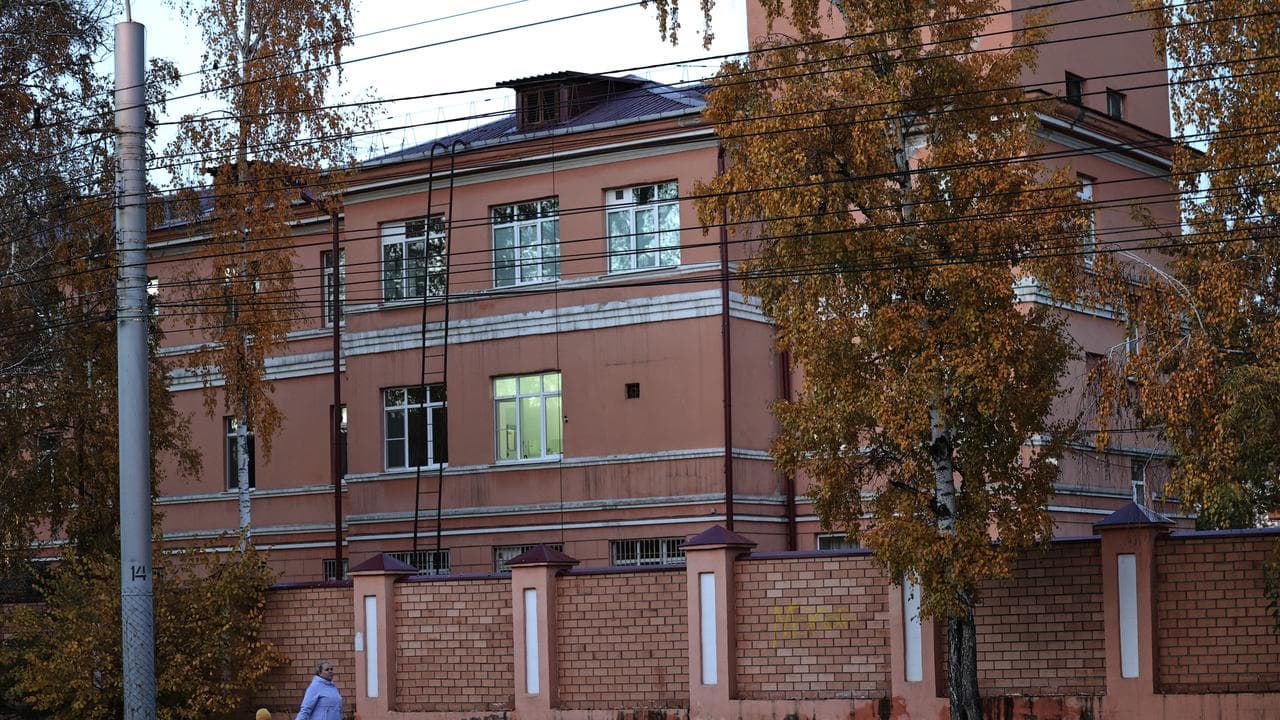
The World Health Organisation has asked Russia for information regarding a possible further death from pneumonia in the Siberian city of Irkutsk.
WHO expert Abdirahman Mahamud said in Geneva on Wednesday that the request was prompted by a media report that had been verified and deemed credible.
No response has yet been received, he said.
The Russian authorities have also been asked for further information regarding the first case - the death of a female scientist who worked at the Irkutsk Anti-Plague Research Institute of Siberia and the Far East.
The 28-year-old woman died on Friday.
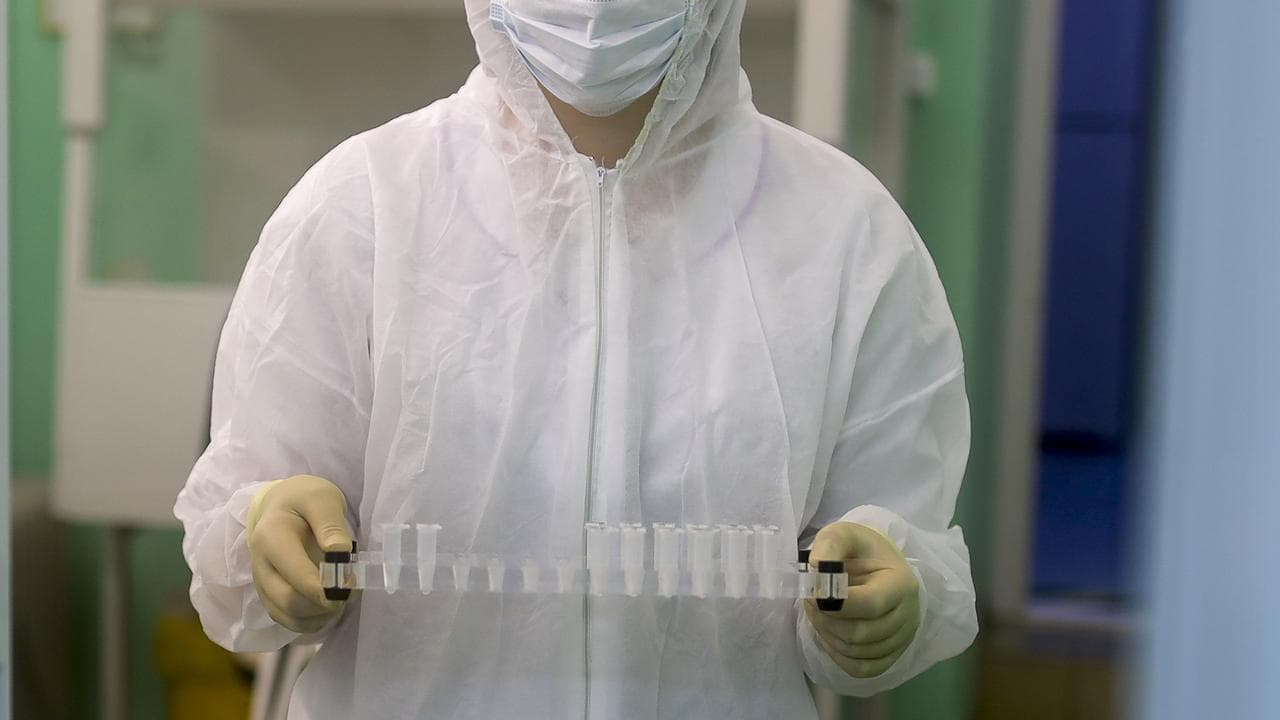
The official cause of death is listed as pneumonia of unknown origin.
WHO chief Tedros Adhanom Ghebreyesus has said the organisation does not have a complete picture of the situation and cannot conducted a full risk assessment.
According to the WHO, Russia reported that the young female scientist had not died of pneumonic plague but of pneumonia of unknown origin.
There had been no accident at the institute.
The WHO has asked for details including what tests were carried out on the woman and about 200 other people, exactly what materials she had been working with, what safety measures were in place at the institute and whether she had been vaccinated and, if so, against which diseases, WHO specialist Maria Van Kerkhove said.
She added that the WHO had been notified of nearly 4000 plague cases from 10 countries between 2019 and 2025, including 423 deaths.
Rospotrebnadzor, Russia's health watchdog, said on Wednesday it was winding down precautionary measures it had put in place after concluding there was no risk of an epidemic and that it had shared its latest information with the WHO.
It said no cases of plague had been detected among anyone who had come into contact with the deceased worker, Darya Shipilova, and 90 per cent of those placed in quarantine had been released after nearly 5000 lab tests had failed to detect any dangerous pathogens.
It said Shipilova had been vaccinated and had therefore been "immune to the dangerous infections with which she worked".
It did not say what had caused the pneumonia which killed her or how she fell ill.
US President Donald Trump on Wednesday morning said he had a call scheduled with Russian President Vladimir Putin to discuss the possible case of plague at the Siberian research institute.
Asked what the US intelligence community was saying about the case, Trump said the United States was in "very deep discussions" on the topic.
"We’ll be able to report about it, probably tomorrow,” Trump said.
Later in the day, when Trump was asked whether the death was caused by a bioweapon, Trump told reporters: "Well, we don't think so. We're going to find out soon enough but we don't think so".
He said Russia was not saying much about the situation but "they do say they have it very much under control".
"They're sharing (information) a little bit with our people. We expect them to share it a lot with our people," Trump said, speaking in the Oval Office.
with Reuters


