It looks like a winter miracle has saved Australia's ski season.
At this very moment, thrill seekers are carving through deep pockets of powder, if social media is to be believed.
"Perisher rn," one Instagram post says as a snowboarder hits a backflip on top of a snow-covered peak.
But another post tells the true story.
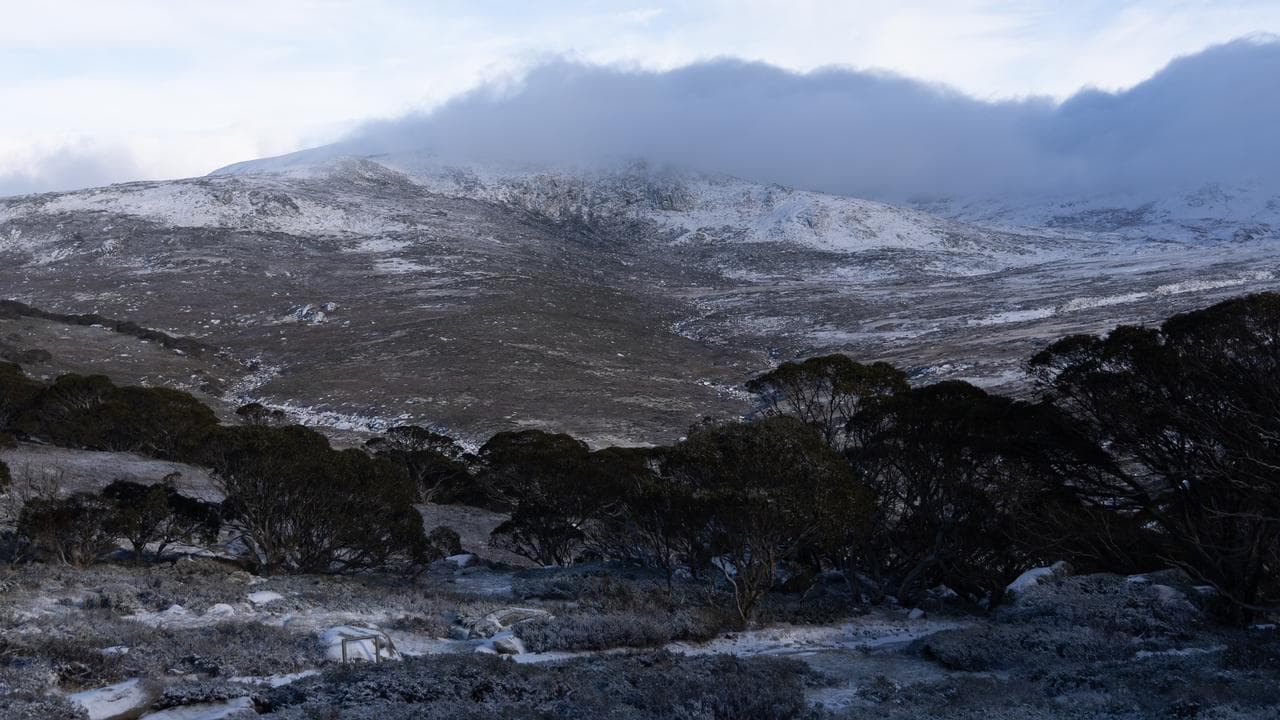
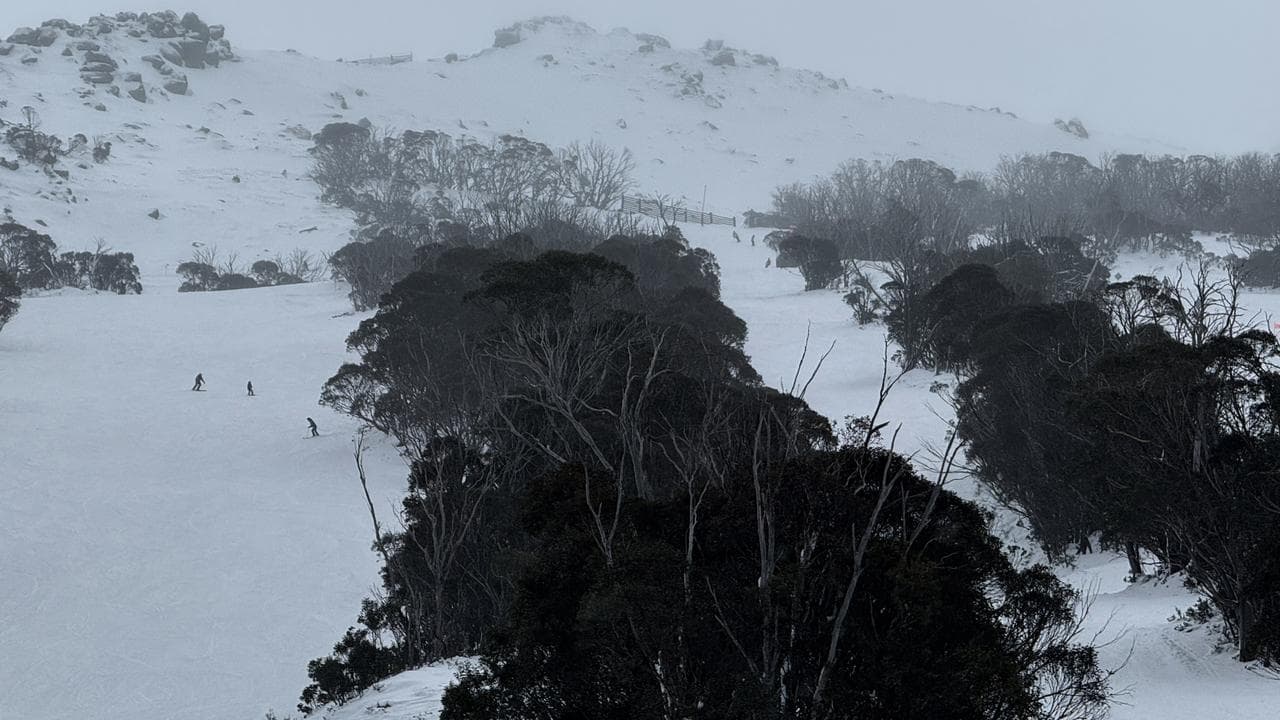
Thin strips of man-made snow on an otherwise grass-covered slope are about as good as visitors at Australian ski resorts can currently hope for.
After the heavens unloaded a dump of snow to save the winter season's opening weekend, its been nothing but misery for operators.
High pressure systems have stuck around over the Alps longer into June than usual, bringing warm temperatures, humid air and worst of all rain, which has washed away whatever snow remained.
"Are they still charging the punters a thousand bucks for a day ticket to ride the death ribbon and magic carpet?" one commenter asks.
While the price was overstated, the sentiment was repeated in hundreds of posts and comments online comparing Australian prices and conditions unfavourably to resorts overseas.
At Perisher, which is owned by US-based multinational Vail Resorts, a single-day lift ticket for the coming weekend was selling for $199 a person.
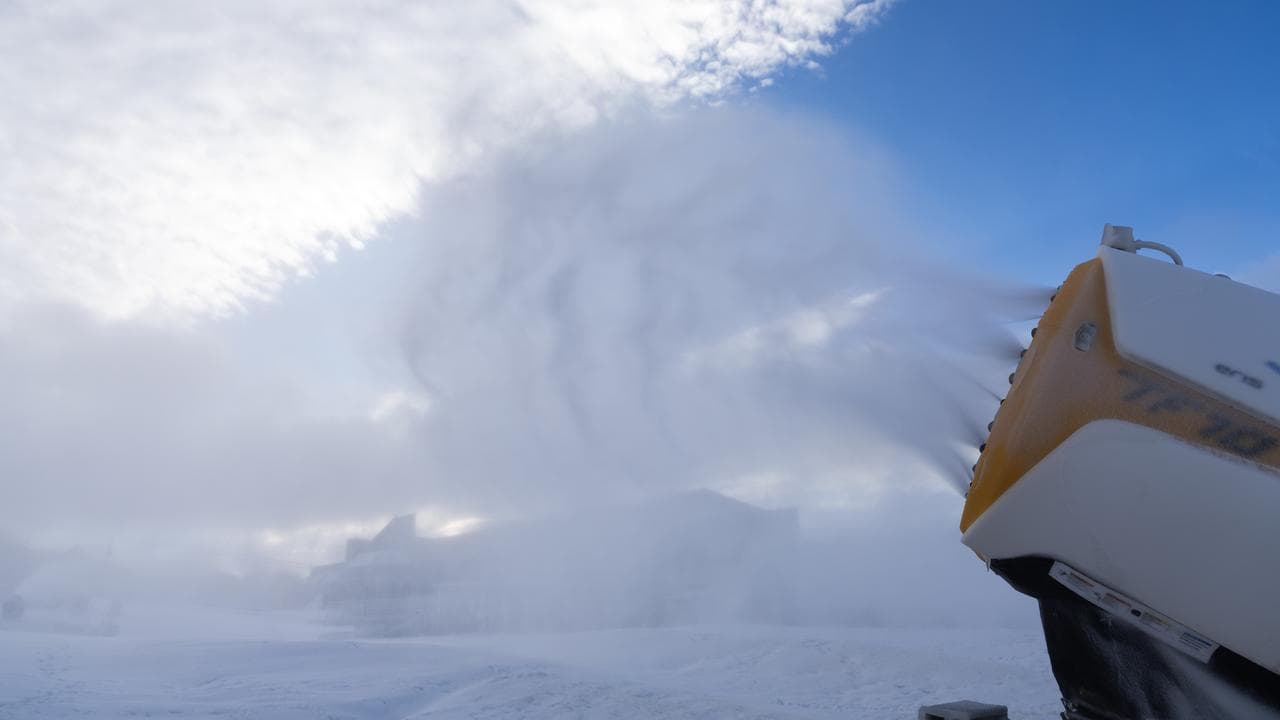
Conditions had improved slightly on Friday after temperatures dropped overnight enough for snowmakers to spread a thin layer of white stuff across front valley.
Still, only two conveyor belts for beginner riders were operating, a far cry from the 45 lifts that carry crowds around the 1245-hectare resort in peak season.
Mt Buller in Victoria and Thredbo in NSW, aided by all-weather snow machines that can produce snow in positive temperatures, were the only resorts in the country running a single chairlift for skiers and boarders.
Despite the promising start over the King's Birthday long weekend, the forecast suggests Australia's resorts will end June with zero natural snow cover.
In stark contrast, a strong blizzard over the same three days last year laid down an accumulating base of 35-55cm over the course of the month.
While there have been a few years in recent decades where a zero start has been the case, this season has been the worst since the advent of snowmaking, says Pete "The Frog" Taylor, a veteran snowcaster who runs Snowatch.com.au.
Nights have been too warm or too humid to get a good run of snowmaking, Mr Taylor says.
"So we haven't been able to open more lifts, so that's been the big difference this year," he tells AAP.
Artificial snow was becoming an increasingly important ingredient for resorts across the globe, says Mt Buller general manager Noel Landry.
Because of Buller's investment in snowmaking, the resort is still able to offer beginner skiers and riders a decent product, he says.
But the resort has extended shoulder-season pricing of about $120 a day through the school holidays to provide a cost that matches the experience, he says.
Mr Landry, who also chairs industry body Snow Resorts Australia, says some of the crazy prices being quoted for other resorts were overstated.
Snow Resorts Australia research shows that only about six per cent of people buy tickets on the day, so the vast majority were buying passes at a discount compared to the maximum figure of $278 quoted on some websites.
"It's exactly the same as an airfare," Mr Landry says.
"If I'm going to Cairns tomorrow and I walk into the airport, I'm going to pay a lot versus if I buy my flight three months before.
"When we're having a difficult start to the season, let's not have a big pile on.
"We're a bit like farmers and drought when things are difficult. Let's support the industry and look forward to when we do get that snowfall and those temperatures."
Many independent businesses are also at the whim of the conditions.
The industry generates $5.71 billion in economic output each year and supports more than 22,000 jobs nationally, according to a report by Snow Resorts Australia.
Karen Forsstrom, who co-owns cafe Smiggs Diggs at Smiggin Holes within Perisher, says businesses have to play the long game.
It averages out between the great seasons, like 2025, and the less great ones.
"People are panicking and saying it's the worst season ever," she says.
"It is going to snow, it's just a matter of when."
As for the price of lift tickets, Ms Forsstrom, who's been living at the snow for 17 years, says operators have to recoup the costs from substantial expenditure on infrastructure and snowmaking.
"Do people just forget that we've got a brand new chair in at Mount Perisher? So they are pumping money into infrastructure,” she says.
Some families will be stinging after shelling out thousands of dollars in advance for lift tickets and accommodation.
Vail hosts webcams and real-time conditions on its website to provide guests with transparency, says Vail senior communications manager Dani Wright.
Online ticket sales are restricted to over-the-counter purchases, when conditions limit the mountain offering, she adds.
"We’re working through all booking enquiries, including assisting guests to move their bookings to later in the season where possible."
Mr Taylor says it has always been a case of buyer beware for visitors looking to enjoy early-season action on the slopes.
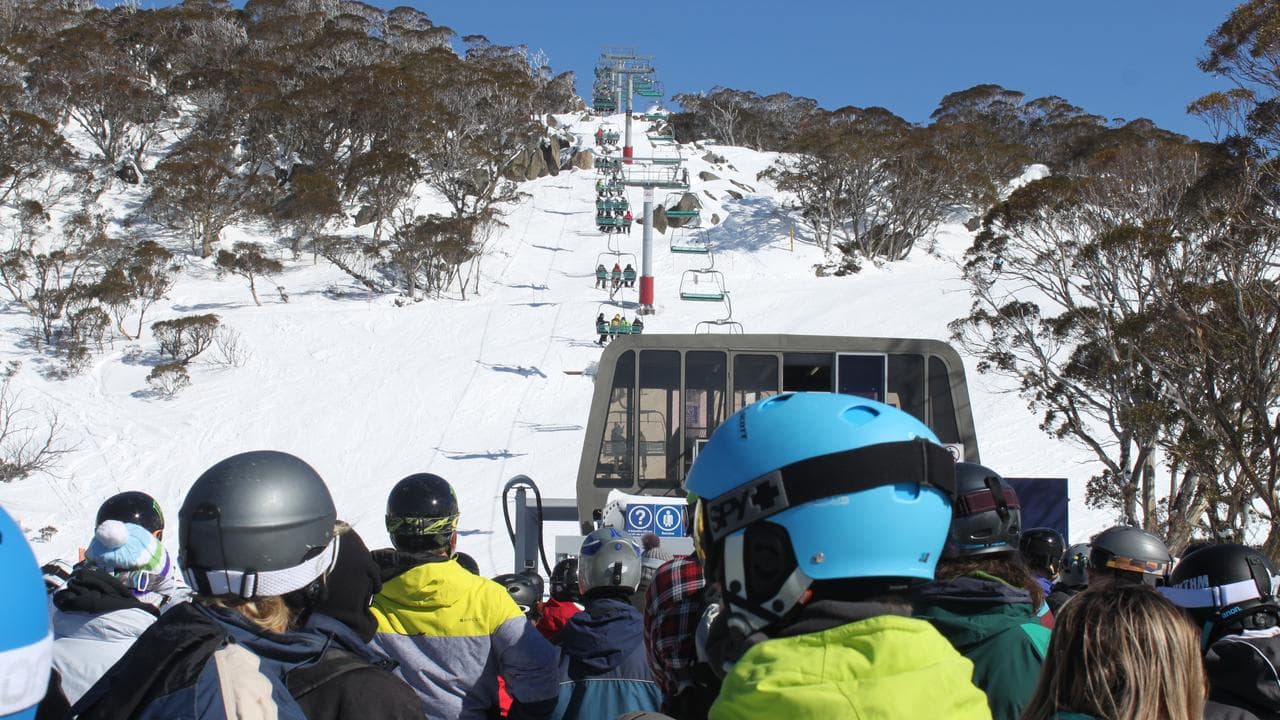
"If you're booking a holiday this time (of year), you gotta be aware that there may not be much open," he says.
Usually, late July or August tend to be a safer bet but conditions look likely to get worse before they get better.
Showers next week are set to wash away whatever artificial snow remains but things should improve from there, with snowfalls likely on July 3-6, Mr Taylor says.
An El Nino has settled in in the Pacific, which tends to result in drier and warmer conditions, but you only need one or two good dumps to make a season, he says.
"Hopefully, that's coming from July."


