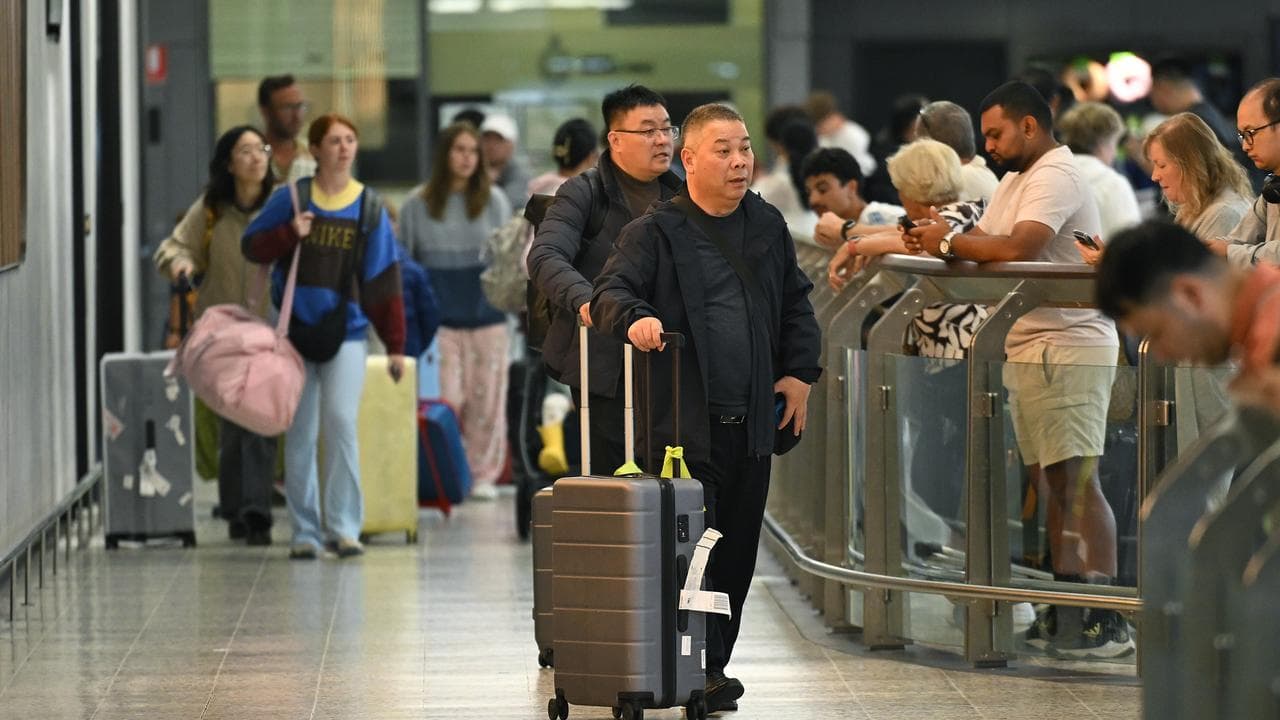
The dreaded search for a functioning pen on a long-haul flight will be no more, as Australian carriers prepare to say goodbye to handwritten arrival cards.
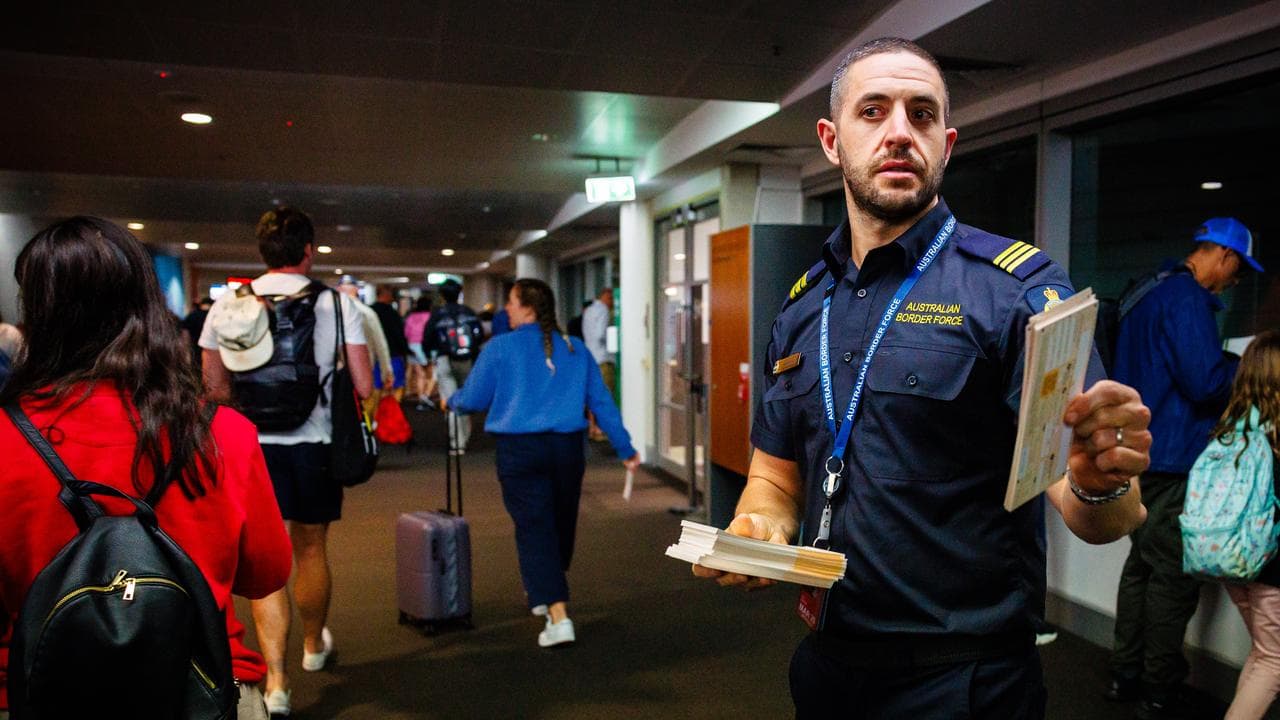
The federal government will spend $56.1 million over four years to roll out a digital replacement to orange, incoming passenger cards.
The news has been welcomed by tourism and business groups, who say it will bring Australian border processing into the digital age.
Home Affairs Minister Tony Burke announced the changes on Monday, saying it would make for a smoother and more efficient arrivals process.
"When someone lands here at the airport, we don't want them standing in queues, we want them out enjoying the best country in the world as soon as they can," he told reporters.
"That's now going to be possible."
It will also be designed to improve the quality and collection times of data in the case of global disease outbreaks or biosecurity hazards.
It follows a successful digital pilot program involving more than 450,000 passengers on inbound Qantas flights since October 2024.
All international arrivals to Australia must fill out passenger cards, including questions on imported goods, criminal convictions and other personal information.
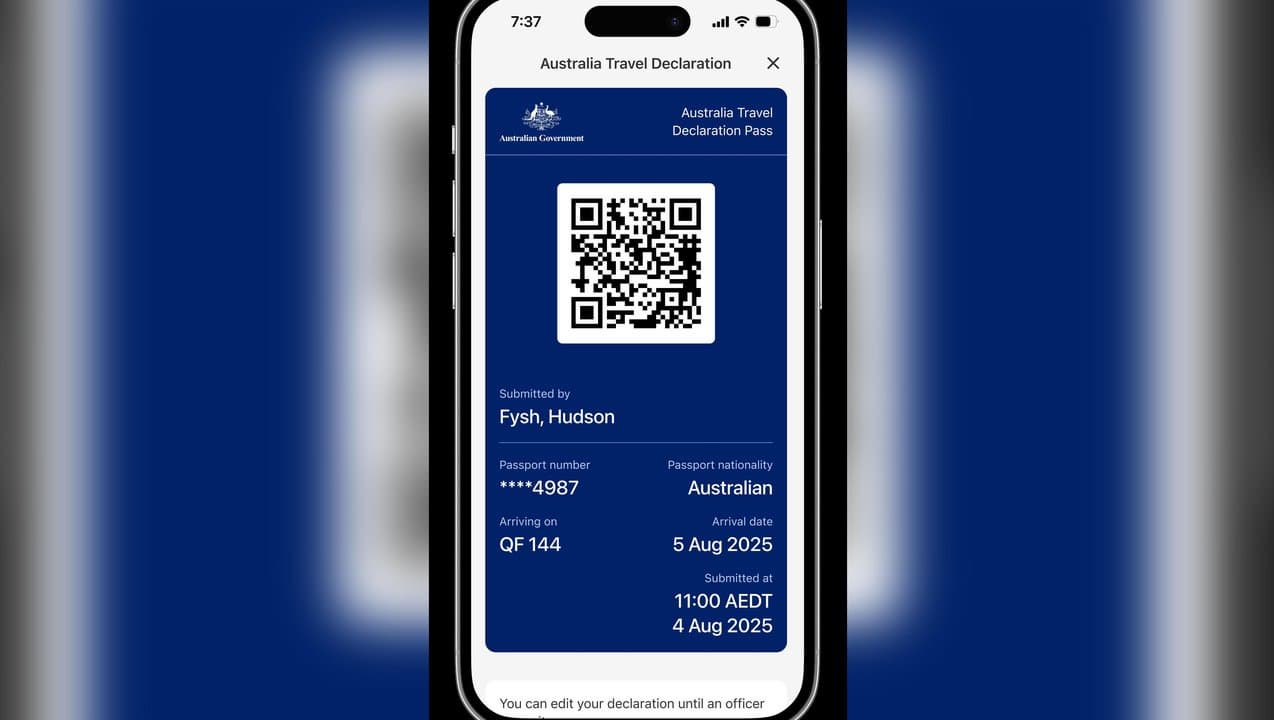
Under the pilot program, passengers have shared their details via the Qantas app up to 72 hours before flying, generating a QR code for presentation to border officials.
It has only been available on international Qantas flights to Brisbane and select Melbourne and Sydney services but will be rolled out to all capitals by the end of 2026.
All international airports and seaports in Australia will be included in a broader digital rollout, including for non-Qantas airlines, by the end of 2027.
That program will initially be accessible via a web form, but the the government will work with industry to co-design in-app alternatives similar to the Qantas pilot.
The change is aimed at streamlining processes for arriving passengers ahead of an expected influx of tourists for the 2032 Brisbane Olympic Games.

Tourism and Transport Forum chief executive Margy Osmond said it marked the beginning of a "once-in-a-generation transformation" of the Australian border.
"Australia is competing with destinations around the world that have already embraced digital borders," she said.
"First impressions matter and the arrival experience shapes how international visitors feel about Australia before they've even left the airport."
The Australian Chamber of Commerce and Industry, which has barracked for the changes for years, applauded the government for taking the initiative.
"We are glad the government has listened and reacted," tourism executive chair John Hart said.


