
Top Gear presenter Jeremy Clarkson once proved that the 414-horsepower, V8-engined, bellowing petrolhead pin-up BMW M3 could be even more eco-friendly than the famously thrifty Toyota Prius.
To do this, in 2008 he ran an experiment in no way coloured by the fact he loathed the Prius and adored the M3.
He belted the daily-driver Toyota for 10 laps around a racetrack at full throttle while the high-performance BMW calmly kept pace.
Oozing with smugness, Clarkson then declared flooring the accelerator in the Prius had made the "horrid eco-box" thirstier than the cruising supercar.
"Don't change the car, change your driving style," he told a stunned studio audience.
Clarkson held so-called fuel-efficient cars in high contempt but his counsel might prove sage to those unable to buy their way out of the current fuel crisis.
Ten-year-old used EVs cost just shy of $10,000, while a bottom-of-the-range model fresh from the factory will set you back about $24,000.
Australians purchased more than 500 electric vehicles every day in March - almost double the number sold that month in 2025 - emptying Tesla showrooms and their wallets nationwide.
But those without those means or access to efficient public transport can still discover the secrets to cheaper driving from behind the wheel.
"Get rid of the driver aggression, that would be the top tip," University of Technology Sydney environmental engineering professor Nic Surawski tells AAP.
He says easing down just 10 km/h on the highway can make your car up to 15 per cent more frugal.
Keeping your distance from the vehicle in front, minimising idling, trimming excess weight, planning ahead and following quieter routes are also helpful, Prof Surawski says.
"All those savings can add up to something pretty significant."
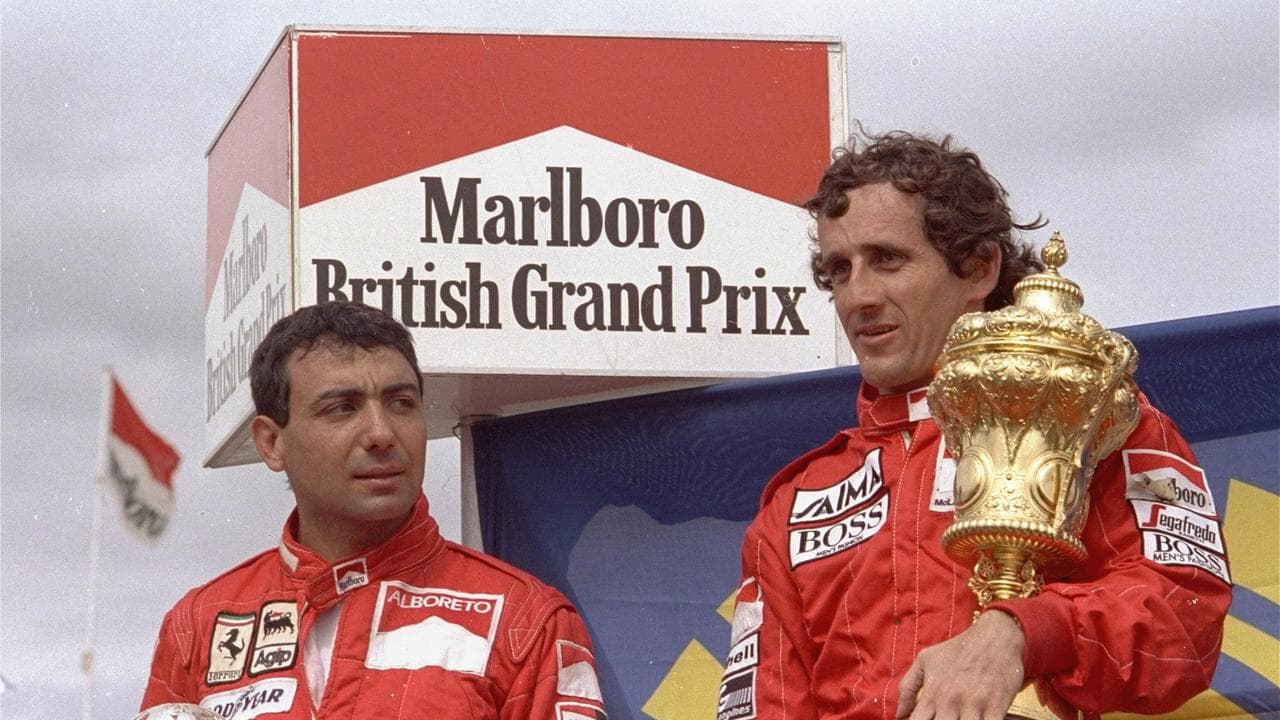
But speed need not suffer: Formula One legend Alain Prost was a master of gently coaxing his car to a blistering pace, former F1 mechanic Professor Richard Hopkins tells AAP.
"It was incredible that he was able to extract the lap time and the speed that he did," he says.
Prost's precise, academic driving style earned him the moniker "the professor", along with four world championship titles.
Prof Hopkins says F1 teams often command drivers to "lift and coast", easing off the accelerator earlier before a corner instead of slamming on the brakes straight away.
"That very much is to the frustration of drivers who just want to drive as fast as they can ... and it's incredible how much fuel you can save by doing that," he says.
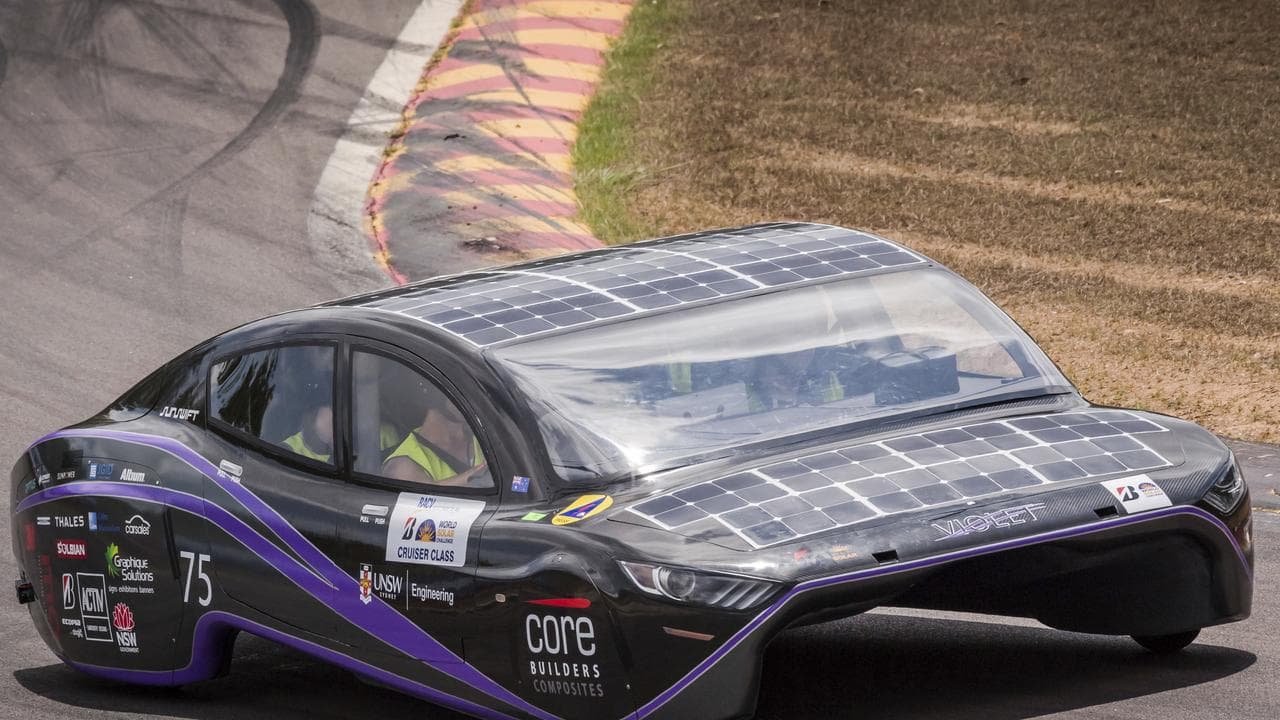
Once head of operations at motor sports juggernaut Red Bull, Prof Hopkins now leads the Sunswift racing team for the University of NSW, squeezing every millimetre of range out of their world record-breaking solar cars.
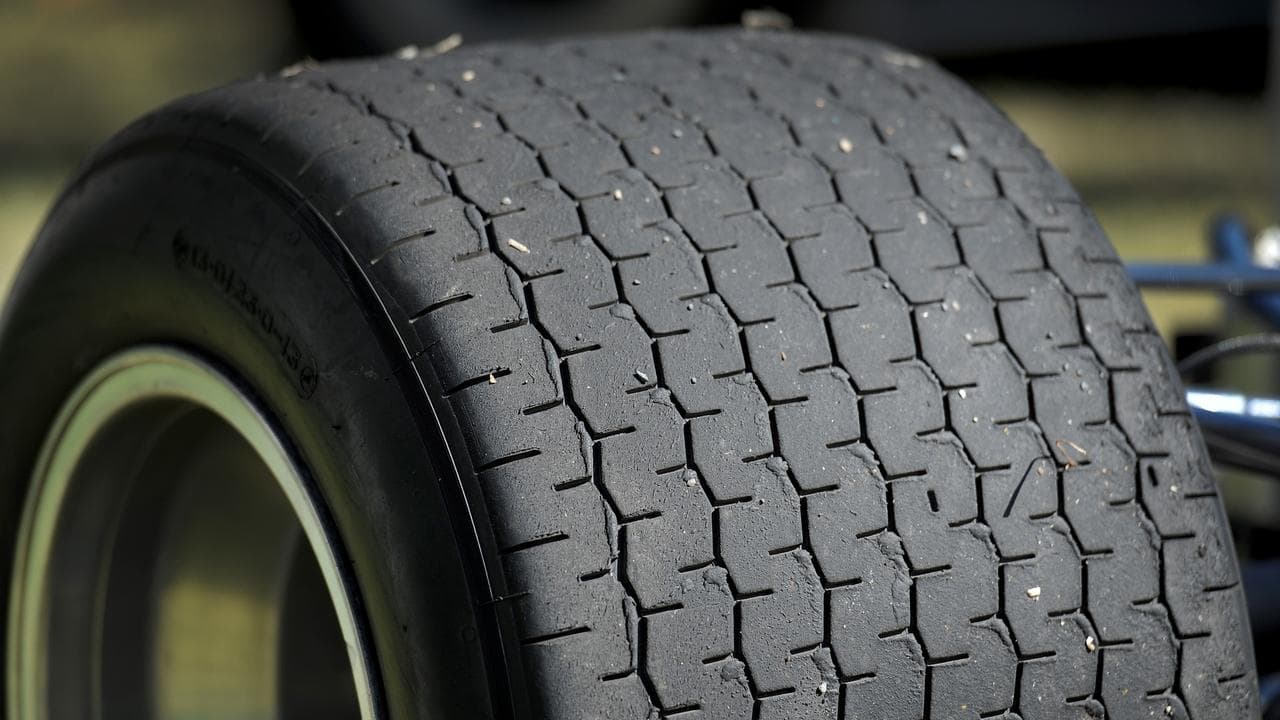
He says tyres also contribute massively to fuel efficiency.
"How do we try and save money? Well, check your tyre pressures."
Losing one tenth of the air out of your tyres - easily done in a typical month - makes your car two per cent thirstier, according to the US National Highway Traffic Safety Authority.
That's not visible or noticeable while driving, but accumulates over dozens of bowser visits, making a monthly pressure check well worthwhile, Prof Hopkins says.
Tyre pressure is important, but fringe techniques like "lift and coast" can't beat common sense and composure behind the wheel, professional fuel economy world-record breakers Helen and John Taylor say.
"No no no, don't do that ... definitely not coasting," Helen tells AAP.
"It's just being smart when you drive."
The Taylors' credentials are impeccable: adorning their CVs are no fewer than 97 world records, including for a round-the-globe drive where they routinely went 1000km on a single petrol tank.
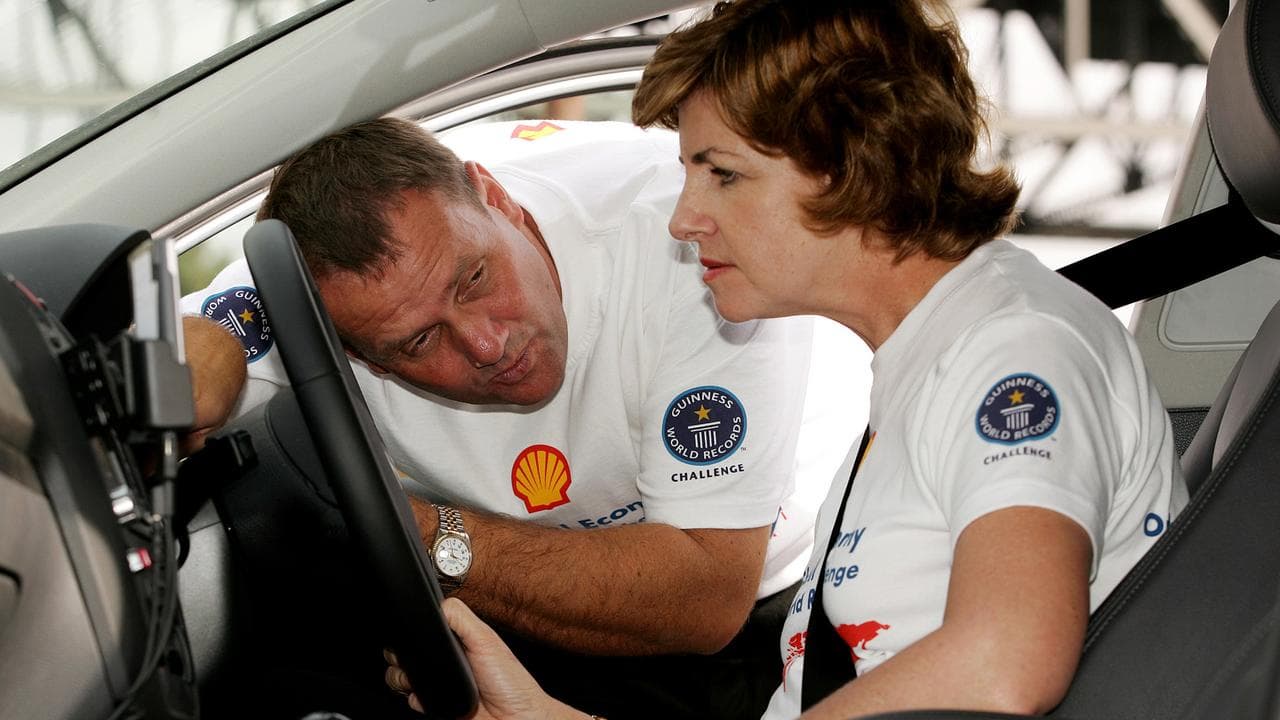
Helen recounts a mountainous voyage through Madagascar where their car's fuel-warning light ignited with 150km to go, but they managed to finish.
"You get a huge adrenaline fix," she says.
From trying to make a job interview while only able to afford less than a dollar's worth of fuel, Helen and John fashioned a career of teaching drivers in poor and resource-scarce countries - and in Australia - how to drive economically.
One African nation even offered the couple honorary citizenship and cabinet positions for helping logistics companies and militaries save millions on fuel.
Modern and well-maintained vehicles are more efficient, but the Taylors say they were still able to siphon breathtaking mileage from tired and beaten machines.
"You can still just work with what you've got," Helen says.
They also exceeded car makers' expectations in places where bitumen was a luxury.
"Half a metre of snow and ice on the road, donkeys, monkeys, camels, elephants on the road ... driving from Karachi to Lahore, all the roads didn't really exist," John says.
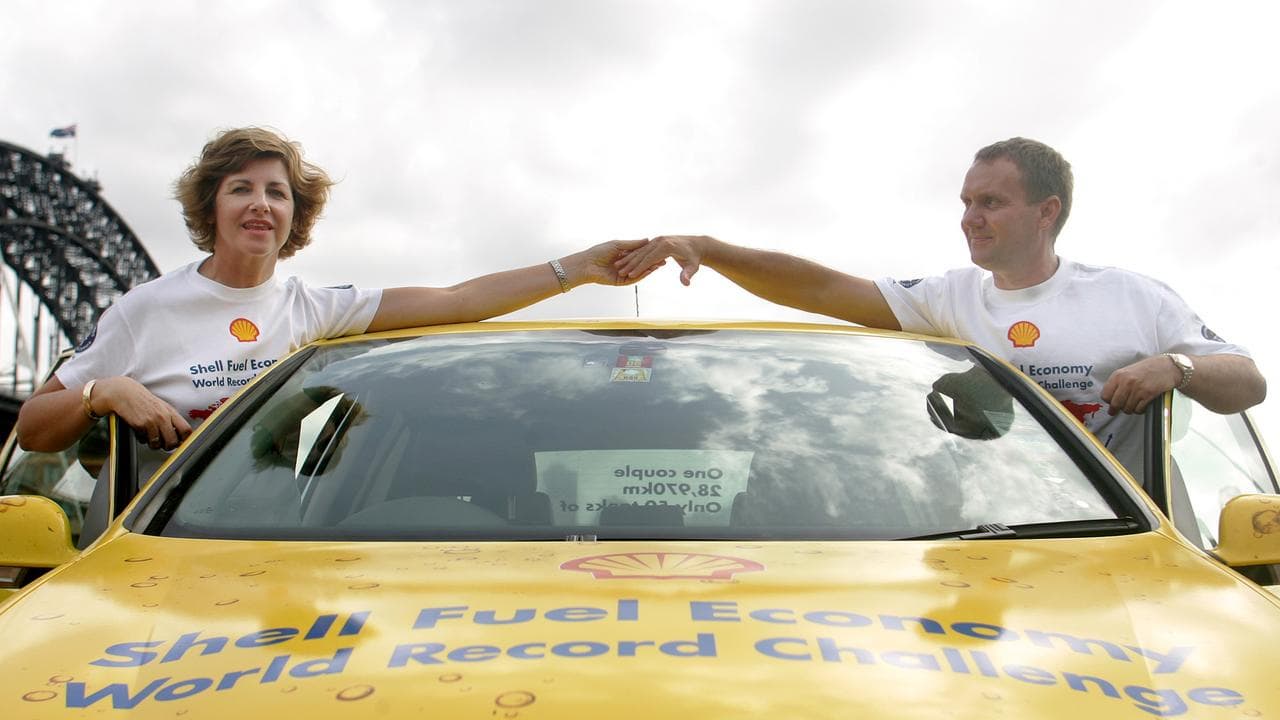
Where the average fuel economy for a passenger vehicle in Australia is 11.1 litres per 100km, the Taylors managed that 1300km drive to Lahore almost three times more efficiently and didn't stop to fill up once.
For them, efficient driving is relaxed, clear-headed and never sweaty, so depriving yourself of air conditioning is overrated.
"If you're in the car, you should be comfortable so you can concentrate," Helen tells AAP.
"We're not talking about driving slow. We're talking about people driving just under the legal speed limit," John says.
"Just drive smarter and safer."


