Anti-fracking protesters have made their voices heard outside a major resources conference a day after first gas flowed from a controversial project in the outback.
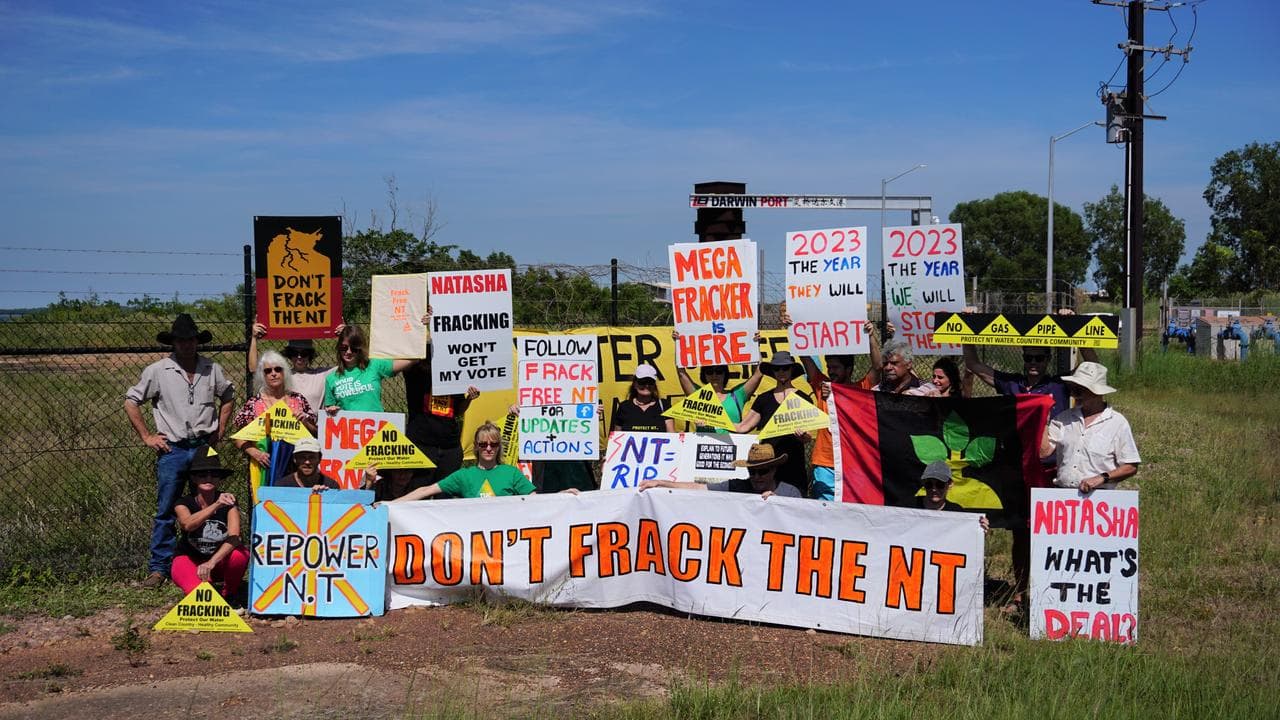
More than 100 people carrying anti-fracking banners and chanting slogans gathered at the Darwin Convention Centre on Wednesday to oppose fracking in the Beetaloo Basin.
Speaking to delegates inside the venue, coalition resources spokeswoman Susan McDonald had a message for the protesters, telling them that "mining pays the bills in Australia".
"As activists stand outside this building crying for the prohibition of all fossil fuels, my question to them is who who will pick up the bill?'
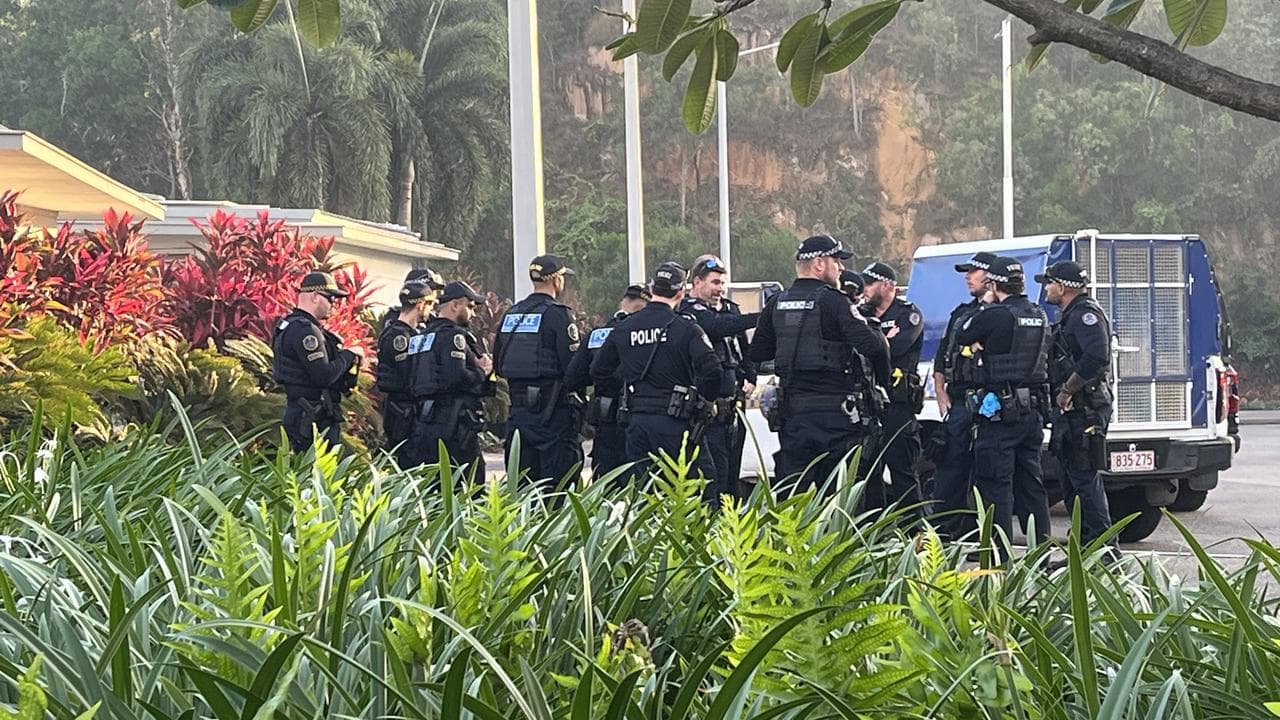
The protest was a peaceful one, with protesters kept behind temporary barriers as a strong police contingent, including two officers on horseback, kept watch till the rally dispersed after an hour.
On Tuesday first gas flowed to NT homes and businesses from Beetaloo, a major onshore shale resource in the Northern Teritory's Sturt Plateau, about 500km southeast of Darwin.
Protesters are concerned the fracking will contaminate and damage vital aquifers and cause vast quantities of carbon emissions.
Bree Ahrens, acting co-CEO of the Environment Centre NT, told AAP what the gas industry wanted for the territory was 6000 fracking wells "across our iconic landscapes".
"It's why people have been putting up 'ban fracking' signs on their fences because they want to draw a line in the sand and ban fracking before it's too late."
In her speech inside the venue, Senator McDonald said the Albanese government must allow states and territories to unlock their own energy resources to provide more gas production not less.
A coalition government would remove Labor's "ideological" anti-coal, gas, and oil policies it embedded into federal law, she said.
To restore Australia's energy independence, the coalition would also scrap the safeguards mechanism, "Labor's carbon tax in disguise".
For too long anti-gas state governments like NSW and Victoria had locked up their own resources and refused to drill for their own energy, relying on the hard work of other states, Senator McDonald said.
The coalition model was simple - states unlock the gas, Canberra helps develop what is needed and Commonwealth support is tied to action.
The federal Labor government was constructing its domestic gas reservation after four years of anti-gas investment and damaging interventions, Senator McDonald said.
"There must be Australian gas for Australians, but there must be more gas, not less investment," the senator said.
Labor's reservation must include a clear plan to demonstrate greater future gas investment and faster approvals.
The government must lower prices through supply, not price controls, Senator McDonald said.
Labor's reservation must strengthen and reform the Australian domestic gas security mechanism to ensure there are never gas shortfalls.
The coalition stood ready and willing to work with the government on passing their gas reservation legislation, but Labor must demonstrate it fulfilled basic requirements, the senator said.


