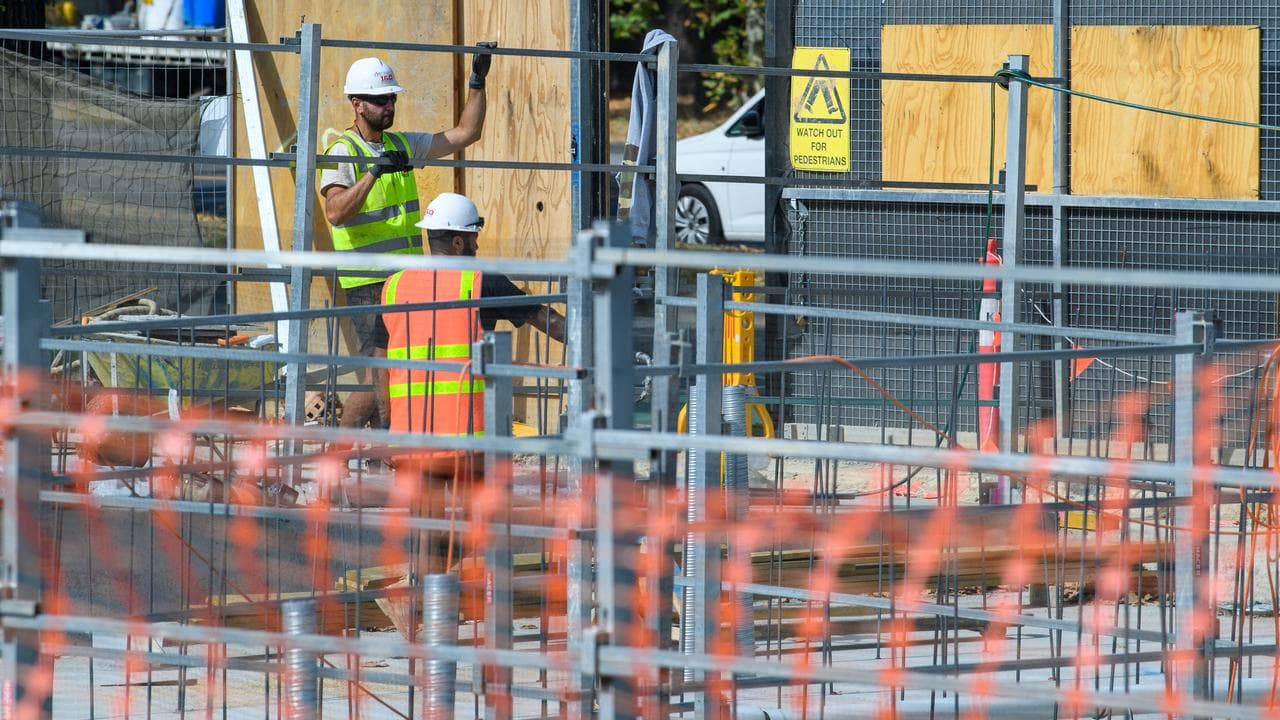
The cost of building a new home has re-accelerated as the Middle East oil crisis continues to impact the industry.
Construction costs increased 3.2 per cent in the 12 months ended September, up from 2.8 per cent in 2025/26, Cotality's latest Cordell Construction Cost Index showed on Wednesday.
It was the second consecutive quarter that construction costs grew by one per cent, following a 0.2 per cent rise in March quarter.
"The subdued conditions at the beginning of the 2026 were an anomaly and that expectations of sustained cost easing may have been short-lived," Cordell costings estimation manager John Bennett said.
“The return to quarterly growth of one per cent brings cost escalation back into line with the levels recorded in late 2024 and 2025, highlighting the continued resilience of underlying construction cost pressures across the country."
Rising construction costs combined with falling house prices are squeezing the feasibility of new residential developments and threatening to further derail the nation's housing supply ambitions.
Australia only completed 355,817 dwellings in the first two years of its goal of building 1.2 million new homes in five years, according to the Australian Bureau of Statistics, meaning the sector is already about 124,000 homes behind schedule.
High oil prices continued to flow through the construction sector, Master Plumbers ANZ chief executive Nathaniel Smith said.
Elevated fuel prices were adding directly to the costs plumbers faced to get from site to site, and indirectly through delivery costs of building materials, he said.
"They're getting hit twice," Mr Smith told AAP.
Price movements across categories of building materials were mixed, except for plastics, which increased across the board.
Gyprock was another strong contributor to cost growth.
But the overall pace of cost growth remains well below long-term historical averages.
While prices of PVC and HDPE pipes went up by as much as 40 per cent in March, prices had since come down as domestic manufacturers found alternative sources of plastic that did not need to travel through the Strait of Hormuz, Mr Smith said.
Worker shortages were also adding to building costs.
Builders on tier one projects, such as hospitals and transport infrastructure, were facing intense competition for skilled plumbers, electricians and HVAC technicians as a result of the data centre investment boom, Mr Smith said.
At 3.6 per cent annually, construction costs grew the fastest in Western Australia, which has one of the nation's tightest labour markets.
South Australia, which also has an unemployment rate of 4.3 per cent, experienced the second-fastest rise in construction costs of 3.5 per cent.


