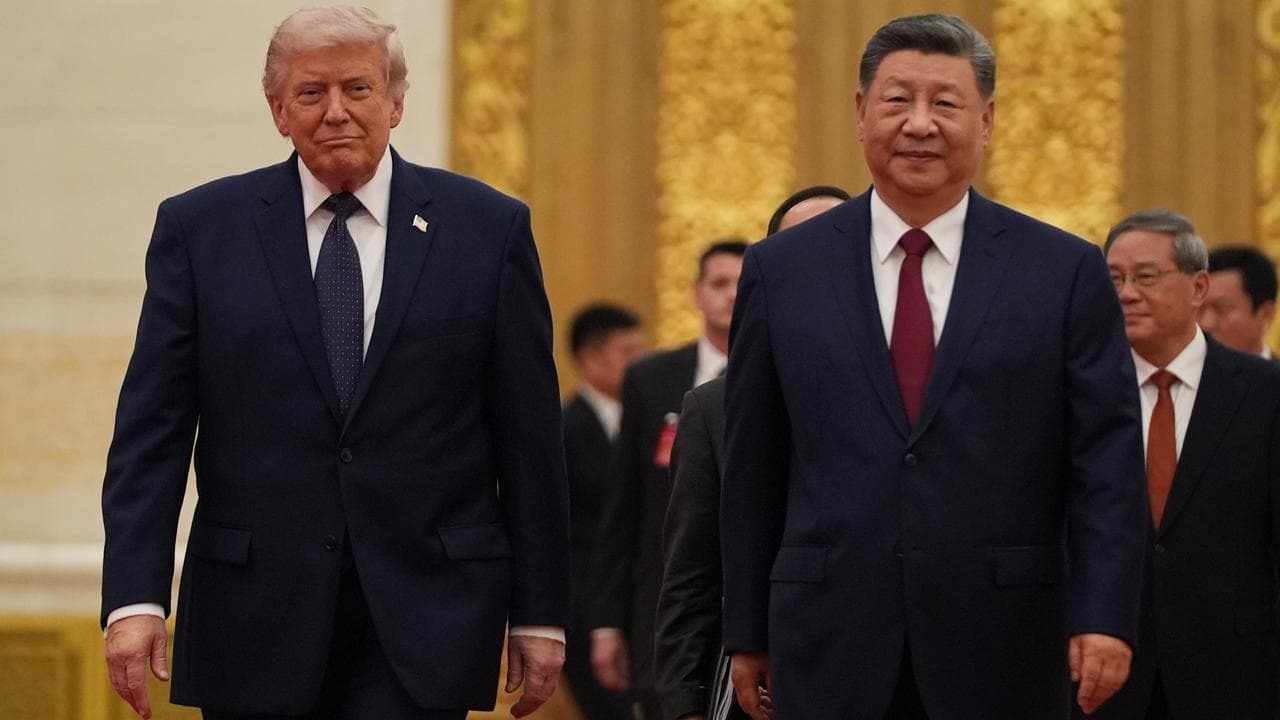
US President Donald Trump have discussed the Iran war with Chinese President Xi Jinping in Beijing, while new attacks on vessels near the Strait of Hormuz have brought a reminder of the costs of a prolonged stalemate, with peace talks stalled.
After Trump and Xi met, a White House official said the leaders had agreed that the strait should be open, and that Iran should never obtain nuclear weapons.
China is close to Iran and the main buyer of its oil.
In an interview with CNBC in Beijing, US Treasury Secretary Scott Bessent said he believed China would "do what they can" to help open the strait, which he said was "very much in their interest".
But diplomacy to end the war has been on hold since Iran and the United States each rejected the other's latest proposals, sticking to initial demands that each considers to be "red lines".
Iran has largely shut the Strait of Hormuz to ships apart from its own since the United States and Israel launched their bombing campaign two-and-a-half months ago, causing the biggest ever disruption to global energy supplies.
The US paused the bombing in April but added a blockade of Iran's ports.
In the latest incident on the trade route, India said one of its ships had come under attack off the coast of Oman.
It did not immediately give further details but said all crew were safe.
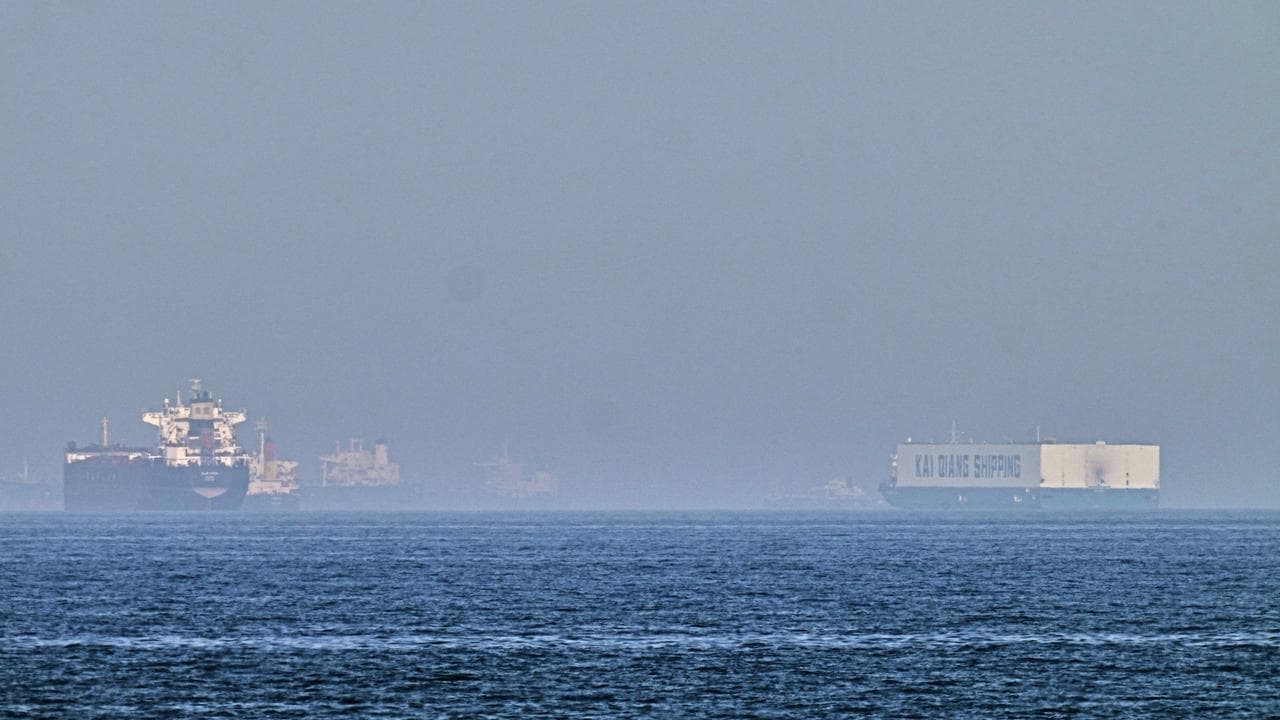
Separately, British maritime security agency UKMTO reported on Thursday that "unauthorised personnel" had boarded a ship anchored off the coast of the United Arab Emirates port of Fujairah, and were steering it towards Iran.
Security in that area is particularly sensitive, as Fujairah is the UAE's sole oil port on the far side of the strait, allowing some exports to reach markets without passing through it.
Iran included that part of the coast on an expanded map it released last week of waters it claimed were under its control.
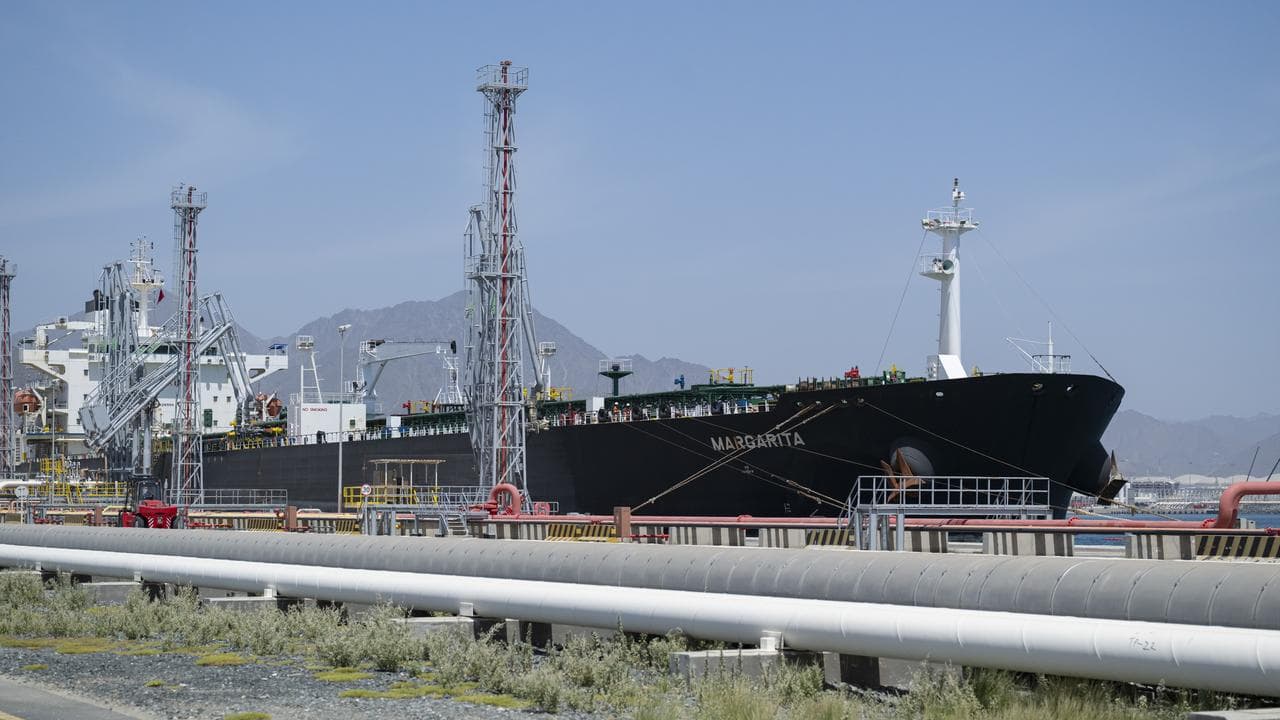
Iran has lately been letting the occasional ship pass through the strait under special agreements.
After intensively bombing Iran for six weeks, the United States and Israel paused their campaign more than a month ago to allow for what Trump said were promising peace talks.
But after a single round of talks in Pakistan in April, there has been little progress and no further face-to-face meetings.
Trump had said his aims in starting the war were to destroy Iran's nuclear program, end its capability to attack its neighbours and make it easier for Iranians to overthrow their government.
But none of those objectives has been achieved so far, with Iran still in possession of more than 400kg of near-weapons-grade uranium, and missiles and drones with demonstrated ability to hit neighbours.
Iran's rulers, who had to use force to put down anti-government protests at the start of 2026, have faced no organised opposition since the war began.
And their new-found ability to close off the strait has given them additional leverage in negotiations.
Washington wants Tehran to hand over the uranium and forgo further enrichment.
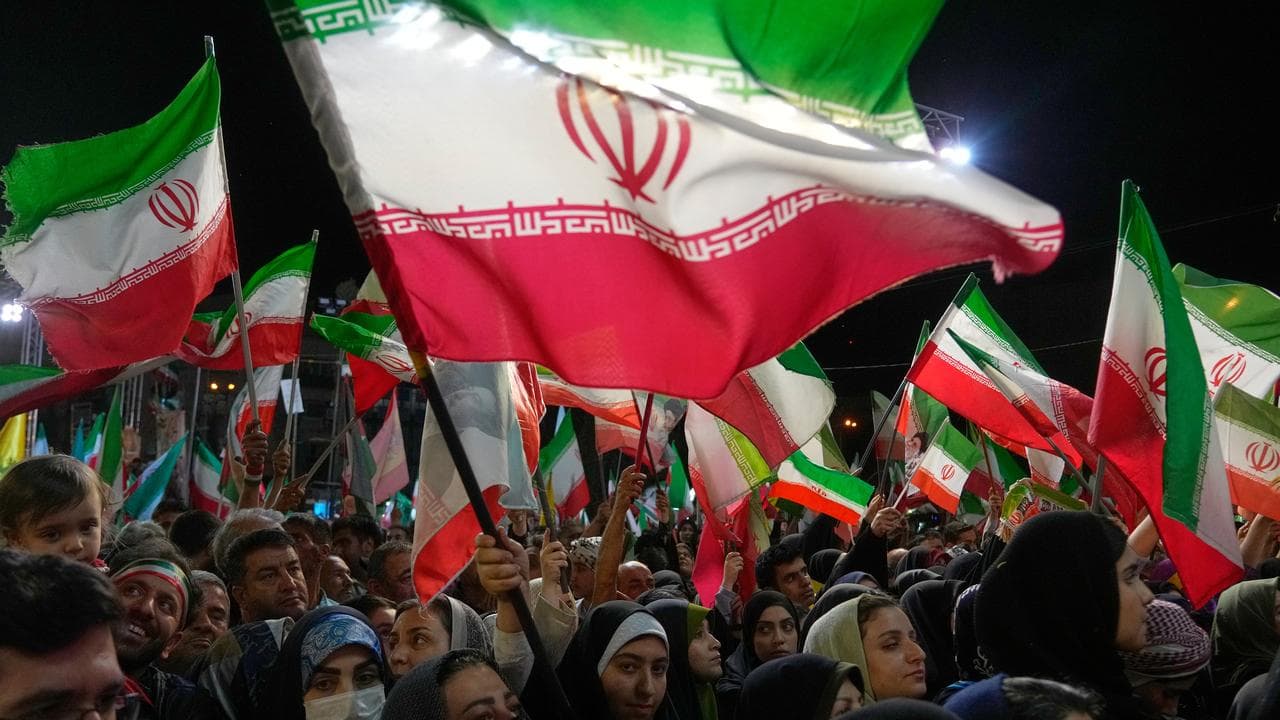
Iran is seeking the lifting of sanctions, reparations for war damage and acknowledgment of its control over the strait.
Trump's trip to China, initially scheduled for the end of March, was postponed because of the war at a time when Trump was predicting a quick end to it.
In the end, he travelled with the stand-off still unresolved.
The United States hoped to convince China "to play a more active role in getting Iran to walk away from what they're doing now and trying to do now in the Persian Gulf", US Secretary of State Marco Rubio told Fox News while on the way to China.


