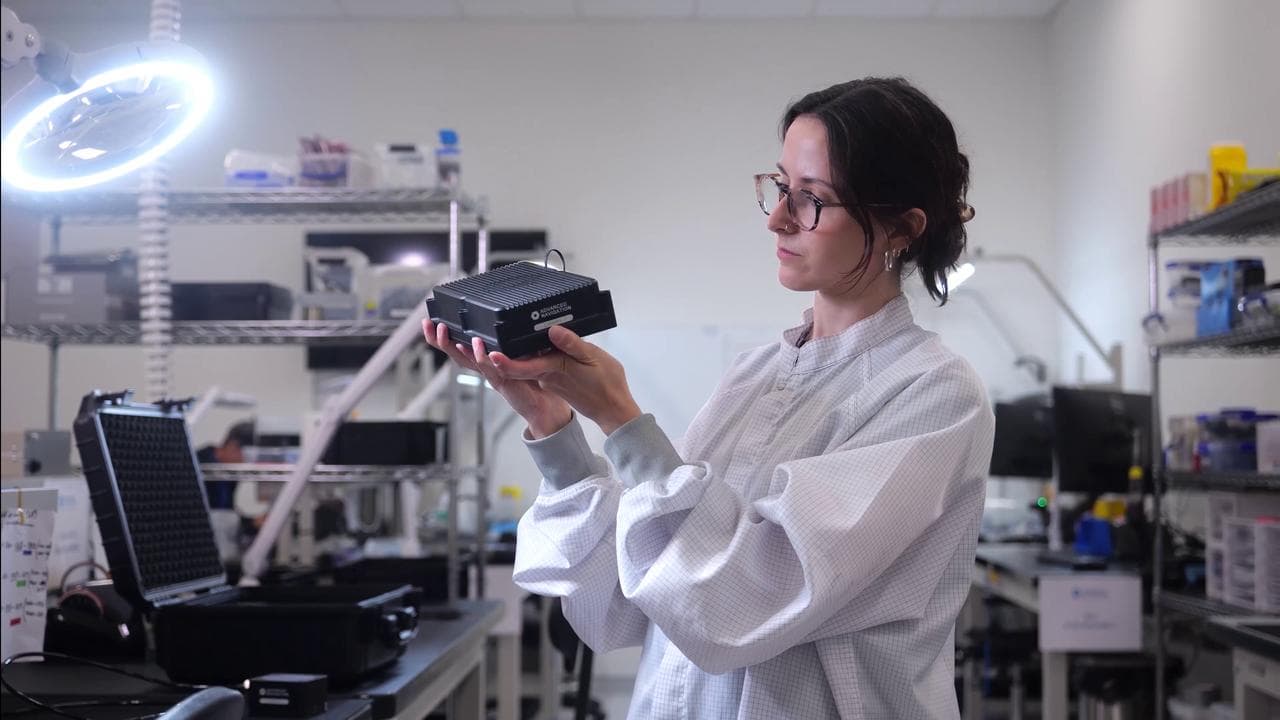
Trusting self-driving vehicles to navigate remote locations on earth and even more remote locations in space without GPS could be possible sooner after a Sydney firm secured a multimillion-dollar investment.
Advanced Navigation announced the results of its latest funding round on Wednesday after securing $158 million from investors, including $50 million from Australia’s National Reconstruction Fund.
The investment, which is expected to double the company’s workforce, comes after the expansion of self-driving taxi services in several countries and after an independent review recommended changes to support Australian research and manufacturing.
The tech company, founded in 2012, is developing an alternative navigation system to GPS using data from multiple sensors and artificial intelligence software.
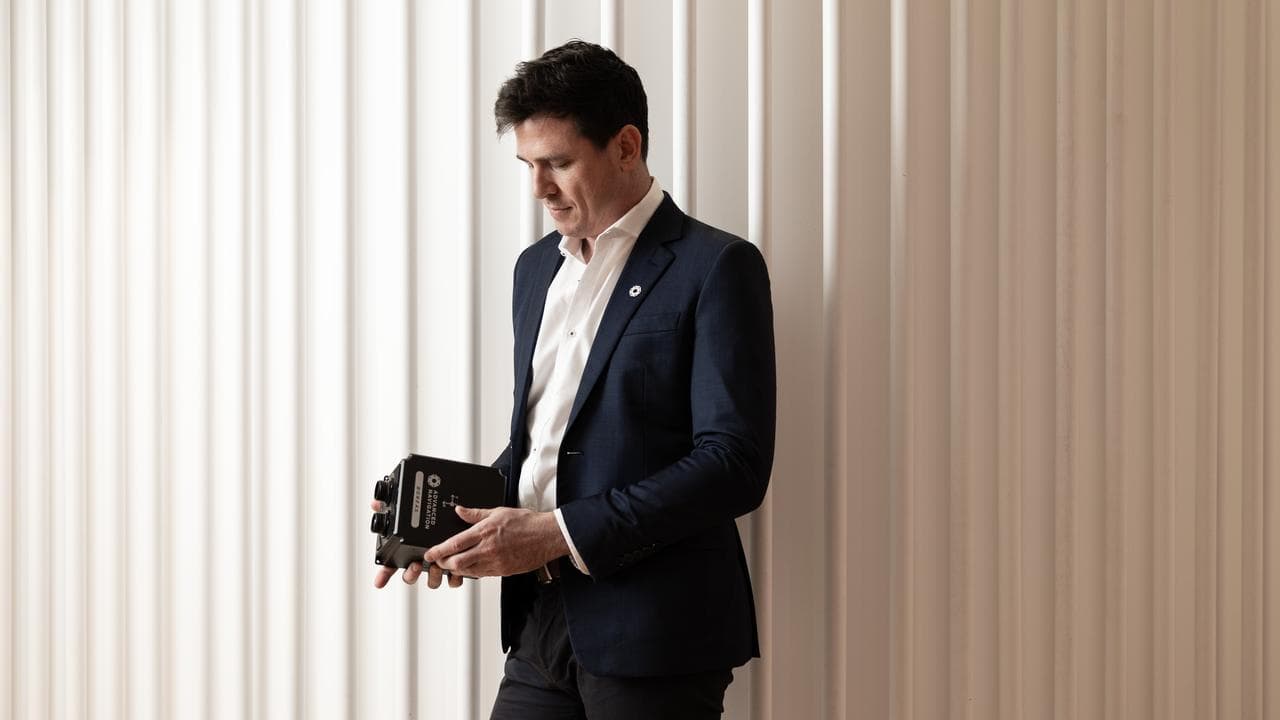
The technology will be used to power autonomous vehicles, aircraft, ships and robots operating in remote locations, chief executive Chris Shaw said, where other navigation systems could be unavailable or unsafe to use.
“The era of relying on a single silver bullet for navigation is over,” he said.
“Across defence, energy transition, humanitarian response and autonomous missions, certainty is required where GPS can no longer be trusted.”
The navigation technology would also be used in the mining, marine, farming and aerospace sectors, National Reconstruction Fund chief executive David Gall said, and would represent Australian innovation on the world stage.
“We are proud to be investing in a company that commercialises Australian research while creating highly skilled STEM and manufacturing jobs," he said.
"(The investment) will keep the company’s headquarters, core (research and development), and high-precision manufacturing capabilities here in Australia, building our sovereign and defensive capabilities and paving the way for the navigational tools of the future.”
The company, which employs more than 170 people, is expected to create 172 new roles following the cash injection, including jobs in engineering, robotics, photonics, and manufacturing.
Overseas markets will be a growing focus for the firm, Mr Shaw said, with plans to establish centres of excellence across the US and Europe, where it generates 80 per cent of its revenue.
The investment comes one day after a year-long review of Australia’s research and development sector recommended a raft of changes to support local innovation and manufacturing, including the introduction of a National Innovation Council and tax reforms.


