
Marathon runners are often considered among the fittest people in the community and, with the right training and preparations, they can be.
But for some Australians, tackling 42.2 kilometres could do more harm than good.
As thousands prepare for this month's Sydney Marathon, heart specialists say runners who have prepared ahead of time are unlikely to have trouble.
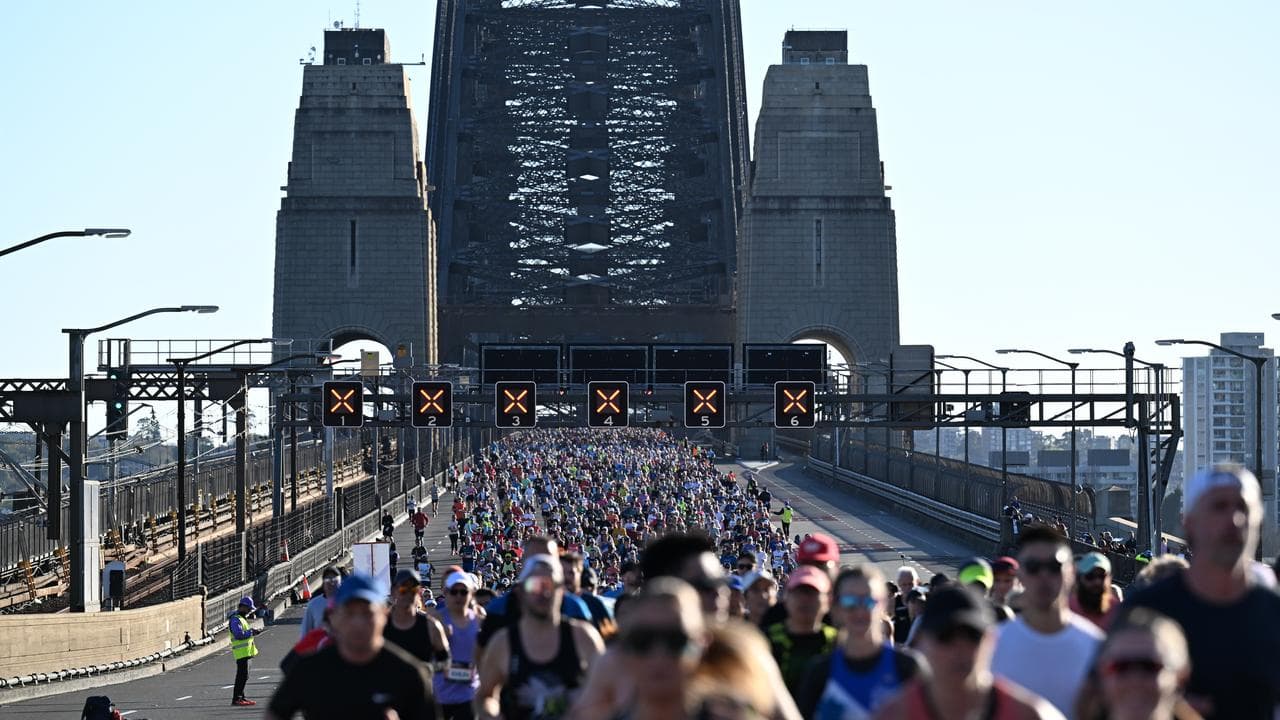
But for those with hidden heart conditions, inadequate preparation or an "I'll just give it a crack" attitude - partaking can turn an endurance challenge into a medical emergency.
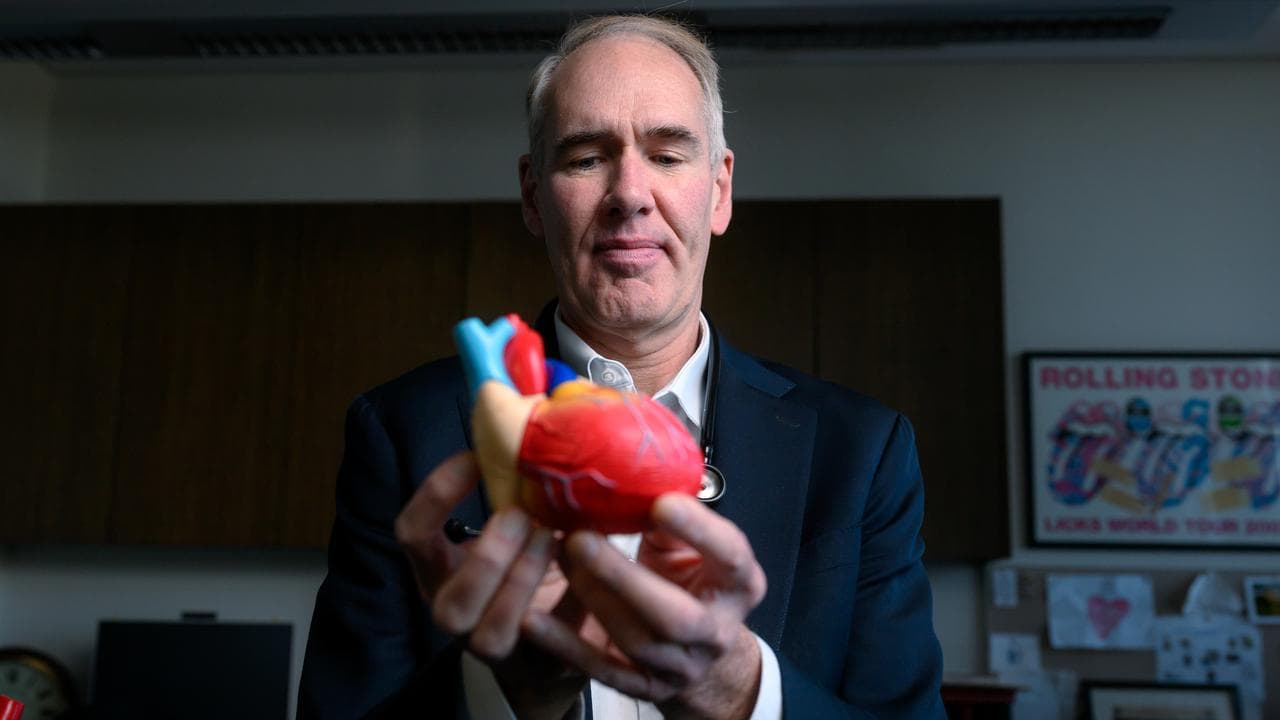
"There is a real risk of sudden cardiac death during a marathon," says Victor Chang Cardiac Research Institute director Jason Kovacic.
Such tragic events are rare and overwhelmingly occur in people with underlying cardiovascular disease, Professor Kovacic stresses.
But the marathon places extraordinary demands on the heart, he explains.
For hours, it must pump large volumes of blood around the body while coping with substantial and sustained physical stress.
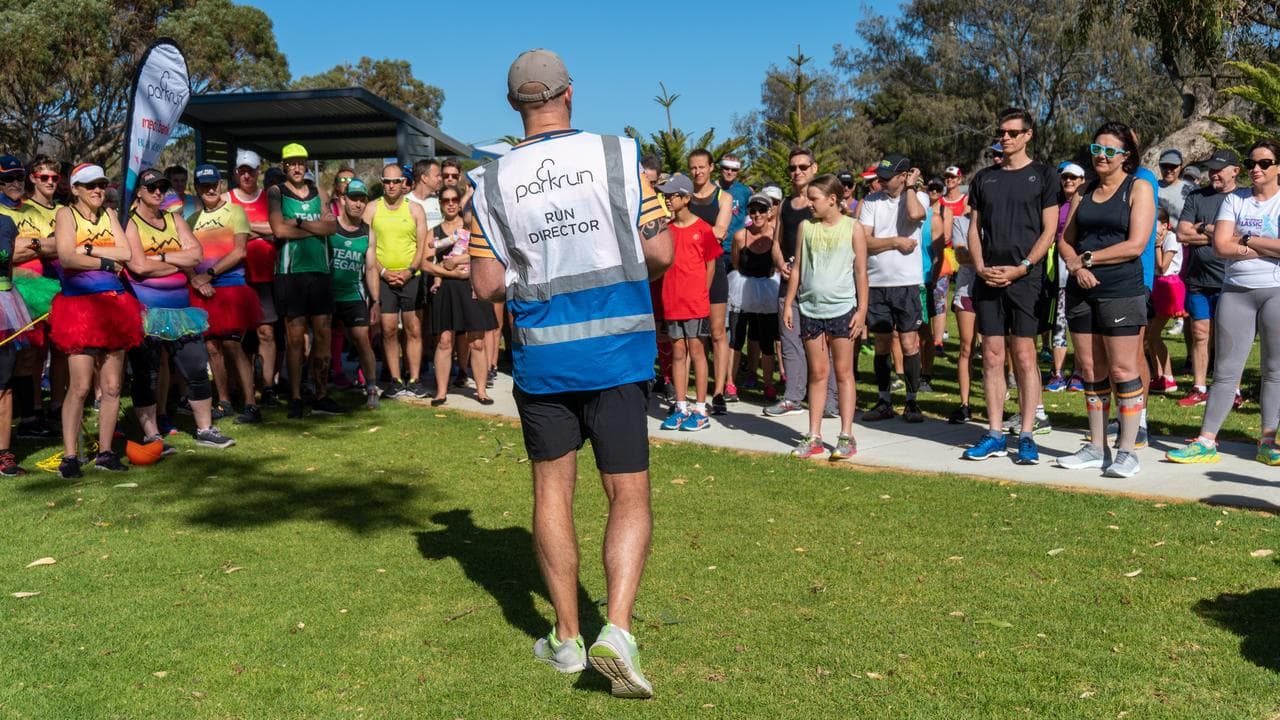
It's a consideration more and more Australians are facing, with AusPlay data showing running and jogging are now among the nation's most popular physical activities.
Approximately 16.5 per cent of the adult population, or about 3.5 million Australians, participate at some level.
Slightly more are women but they prefer somewhat shorter distances, with men still making up about 68 per cent of marathon fields.
The Sydney Marathon is a prime example of the growth of interest in the sport, having expanded from 12,000 finishers 25 years ago, to 25,000 in 2024.
Some 40,000 runners have been accepted for this year's event from more than 120,000 ballot entries.
Other city marathons and running events are experiencing similar levels of growth.
One of Australia's oldest and best established road races, the Gold Coast Marathon, hosted 43,000 participants this year compared to 39,000 in 2025.
Most of them were there for more than a weekend gallop, as well. More than 60 per cent of race entrants are said to achieve a personal best each year.
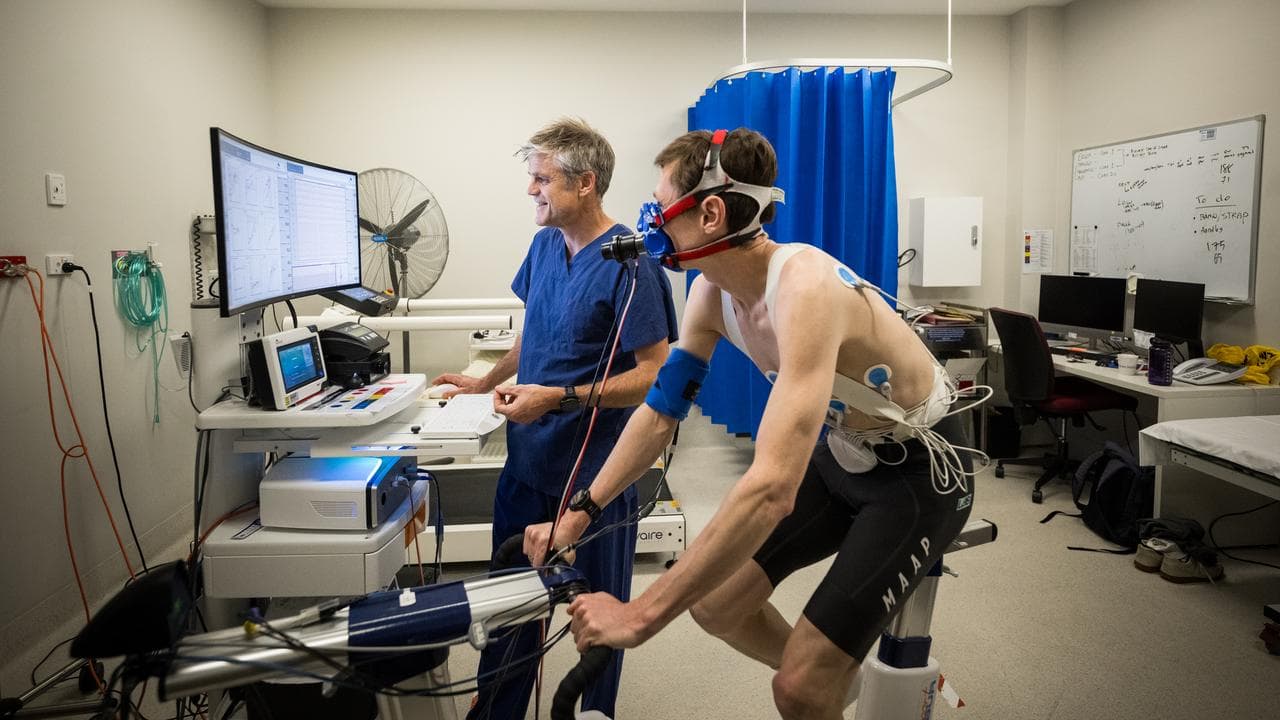
Over months of training, the heart responds by adapting in several ways, including by getting larger, Prof Kovacic says.
"It enables it to fill with larger volumes of blood so it can eject more blood around the body with each pump."
Doctors call it an "athlete's heart" - a healthy enlargement that allows the heart to work more efficiently.
Specialists can easily distinguish it from a diseased heart because a healthy athlete's heart responds powerfully during exercise, while a diseased one cannot.
It also appears "lazy", like it barely has to try, when a runner is at rest.
However, despite the attention that marathon collapses receive, Prof Kovacic says the overarching public health message hasn't changed: in almost every case, more exercise is the healthier option.
"Most people around the world would benefit from doing more exercise, not less," he says.
"The risks of physical inactivity are far more than the potential risks associated with marathon running."
Regular endurance exercise strengthens the heart muscle.
It improves cardiovascular fitness, lowers blood pressure, helps control weight, improves blood vessel function and reduces the risk of heart disease and diabetes.
It also delivers well-established mental health benefits.
The answer isn't avoiding exercise - it's approaching it sensibly, Prof Kovacic says.
Physical activity, when done safely, can improve heart function and reduce long-term cardiovascular risk, says Victor Chang Institute Heart, Exercise and Research Trials head Andre La Gerche.
“Exercise is strongly linked with improved mental health, longer lifespan and lower rates of heart disease,” he says.
While extreme endurance can temporarily raise daily heartbeat counts, Professor La Gerche says the benefits of regular, moderate exercise far outweigh any risks.
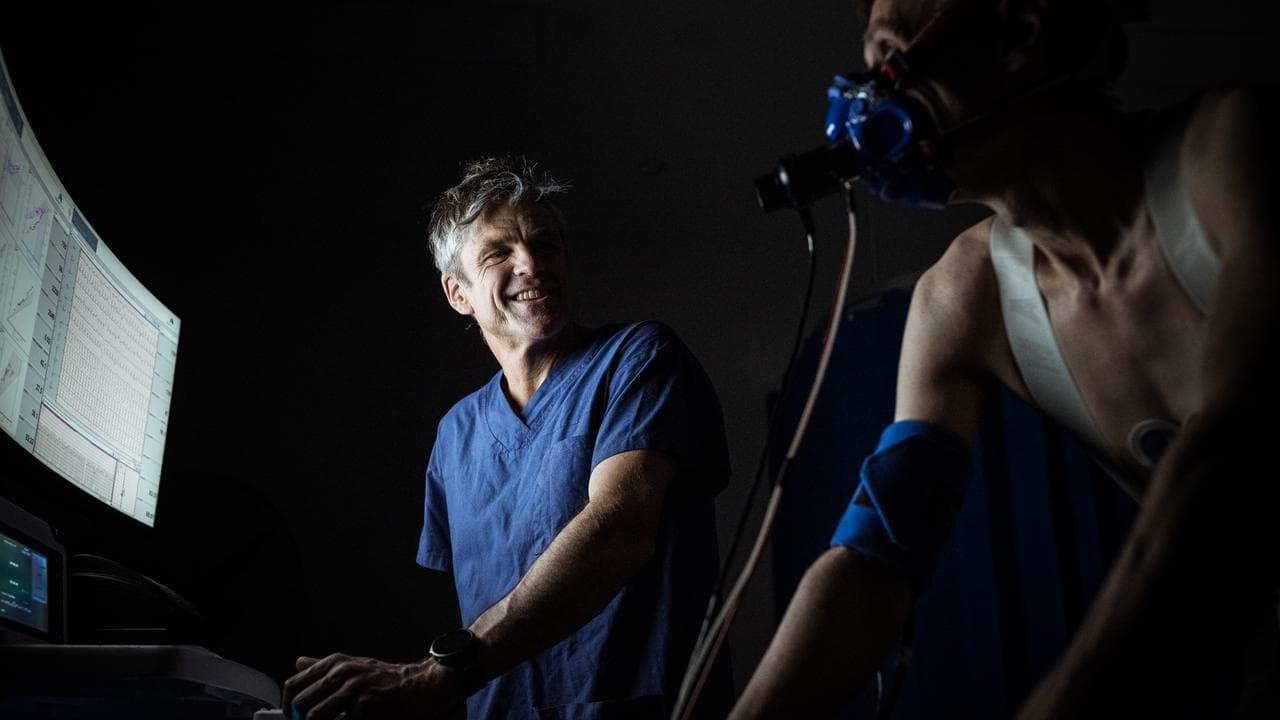
“The biggest bang for your health buck is going from unfit to moderately fit," he adds.
"Just a few hours of purposeful exercise each week can transform your heart’s efficiency and help make every beat count.
"It may even extend your life by years.”
People over 40, or anyone with risk factors including diabetes, smoking, obesity or high blood pressure, should consider seeing their GP before beginning marathon training.
A medical assessment and, where appropriate, a stress test can identify whether further investigation is needed.
Warning signs including chest pain, unexplained shortness of breath, palpitations, collapse or fainting should never be ignored.
None of that means middle age is too late to lace up a pair of running shoes.

Prof Kovacic says there's no reason people can't begin distance running later in life, provided they build up gradually and give their bodies time to adapt.
And he is walking the walk. Or running it.
The cardiologist will line up in Sydney's City2Surf this month - including the infamous climb up Heartbreak Hill - after spending weeks logging early morning training runs.
Running isn't the only answer.
Cycling, swimming, strength training and other forms of exercise all benefit the heart if they're activities people enjoy enough to stick with for years rather than weeks, he says.
"Whatever gets them out of bed at 5.30 in the morning - and that's something that they can sustain and work towards and do - is best," he says.
If this year's Sydney Marathon has inspired you to take up distance running, however, there's one piece of advice Prof Kovacic is unequivocal about.
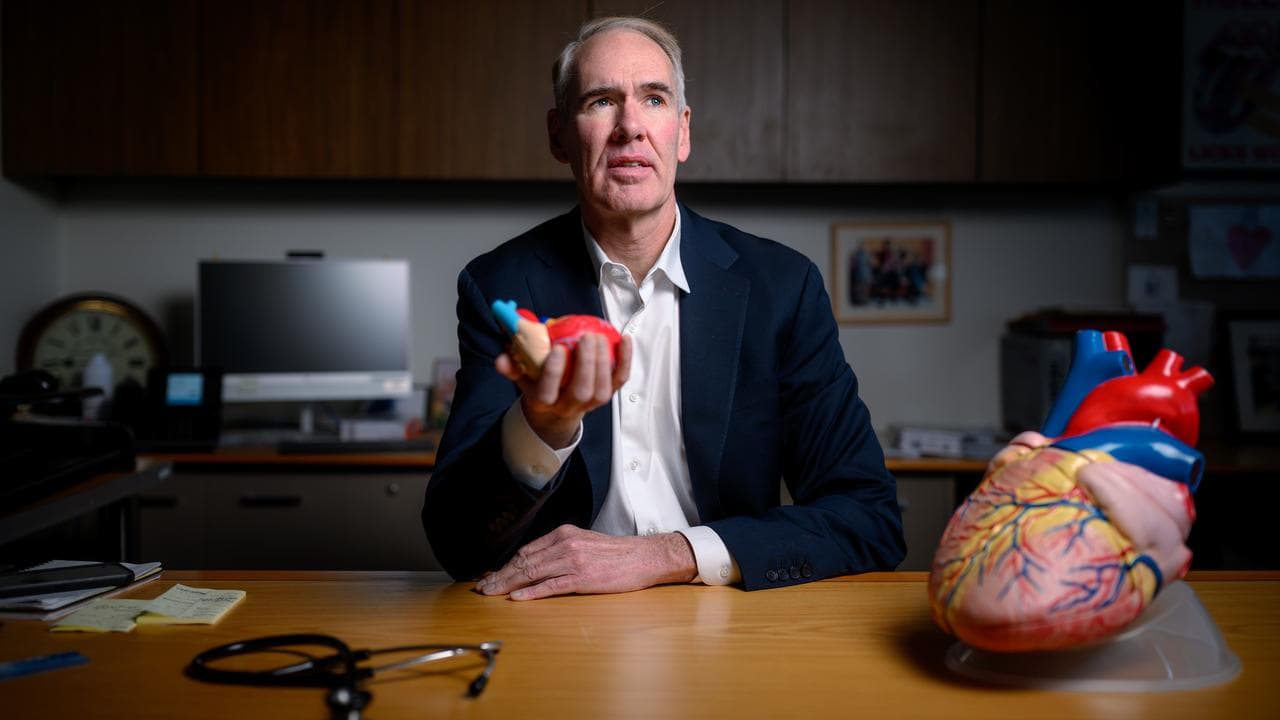
With less than a month until race day, now is not the time to sign up.
"If you're running the Sydney Marathon ... you should be well into your training program" he says.
"I was up at 5.30 this morning running around in the half darkness, getting my miles in.
But that's what you have to be doing if you want to be running one of these events."
Anyone feeling inspired will be better served setting their sights on next year's event and giving their heart and legs the time they need to prepare, he says.


