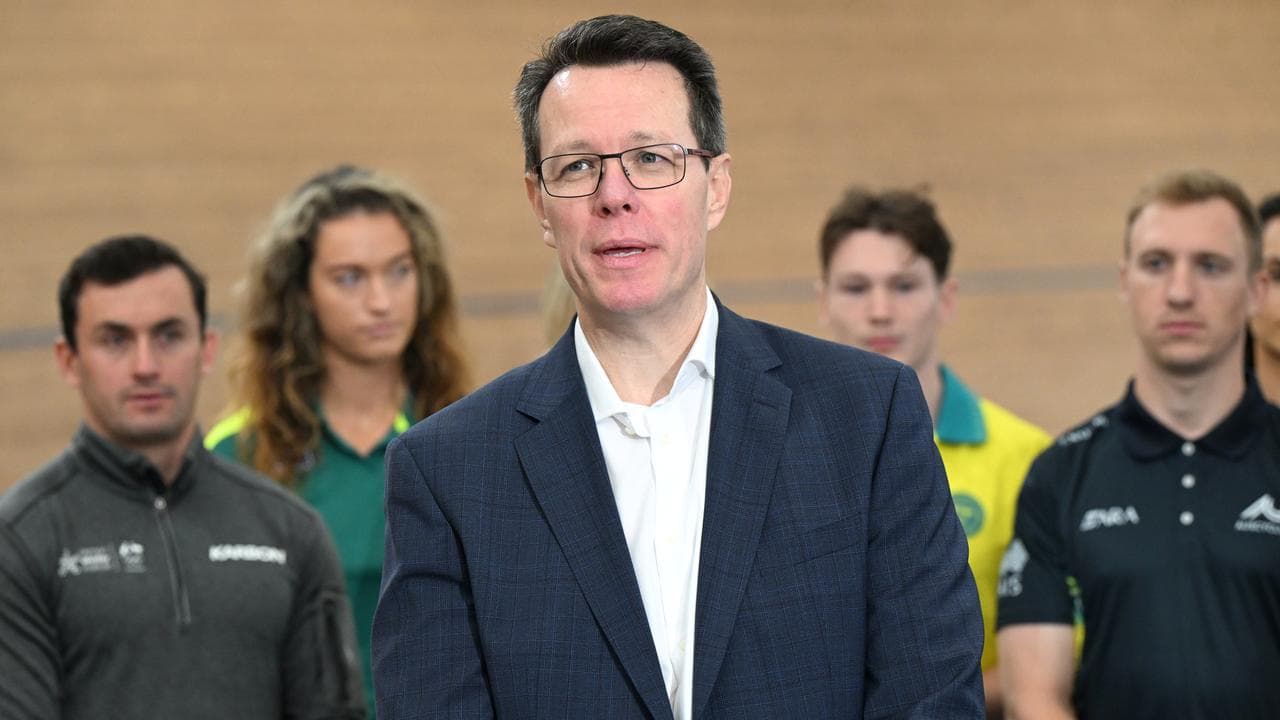
Kieren Perkins has called for significant decisions on Brisbane Games sports to keep the Olympics sustainable.
The Olympic swimming great and Australian Sports Commission chief executive also said sport in this country was at a "crisis point" in terms of affordability and opportunity.
In a wide-ranging discussion at day one of the SportNXT conference in Melbourne, Perkins said when the program for Brisbane 2032 was announced later this year or early next year, it would be "a big marker" for the Olympics.
"I would wager, if that program doesn't look different, then yes, we should start to worry," he said on Monday.
"But if the Olympic movement actually does grasp the challenge they have and recognise that while there are some traditional sports that we love dearly, they have no modern relevance whatsoever, and there are others that have earned and need a more prominent position in the Olympic movement, if that's the case, I think we'll be fine.
"But if we can't find a way to navigate through that, then there are question marks about that sustainability."
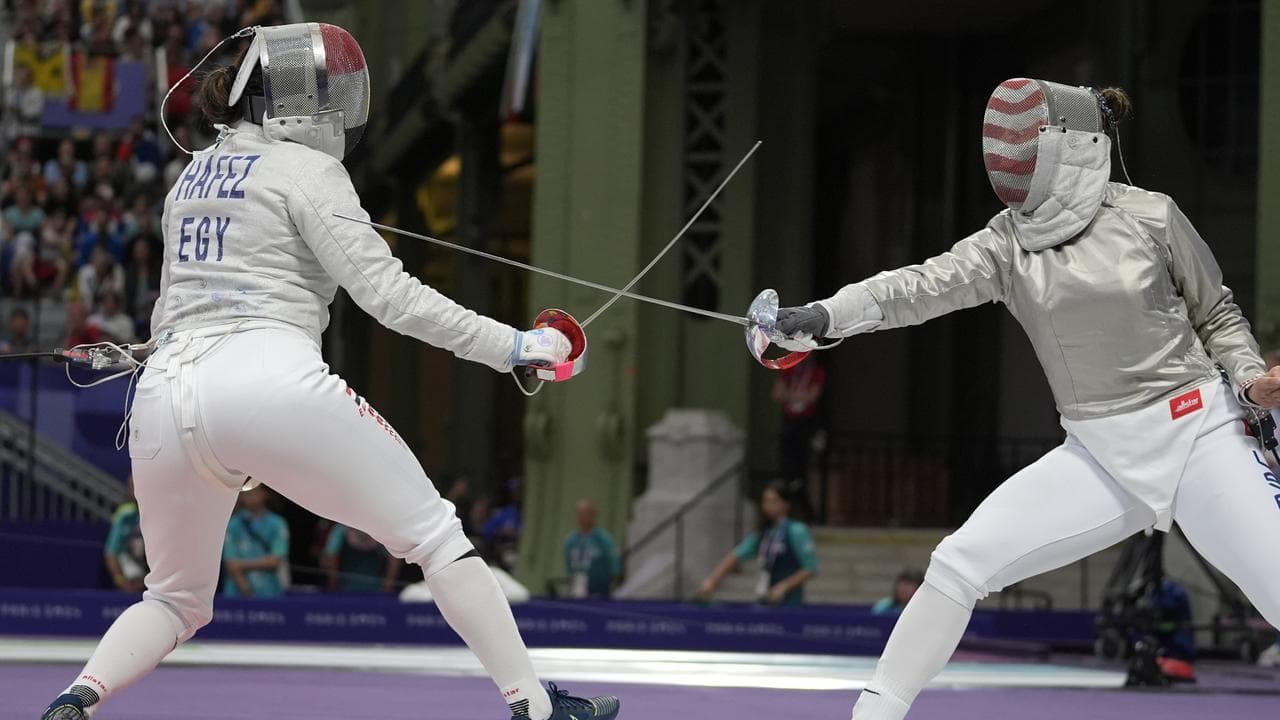
Perkins was then challenged on individual Olympic sports.
"I didn't name any sports ... I love my children equally," the sports commission boss replied.
He added Australian sport had excelled for generations at taking scarce resources and using them well to innovate and develop talent.
"It will continue to become more and more challenging, especially if we just keep doing the same things we've always done and think we're going to get a different outcome - which I think is probably where our biggest risk lies," he said.
Perkins called for careful thought about how much funding should come from the taxpayer, and how much from the private sector.
"Our entire sports system is entirely underpinned by government - it doesn't matter which sport you play," he said.
"Making that transition from fully taxpayer-funded to fully privately owned, commercial, is a big leap and a long journey - one that we have to be really targeted and careful about."
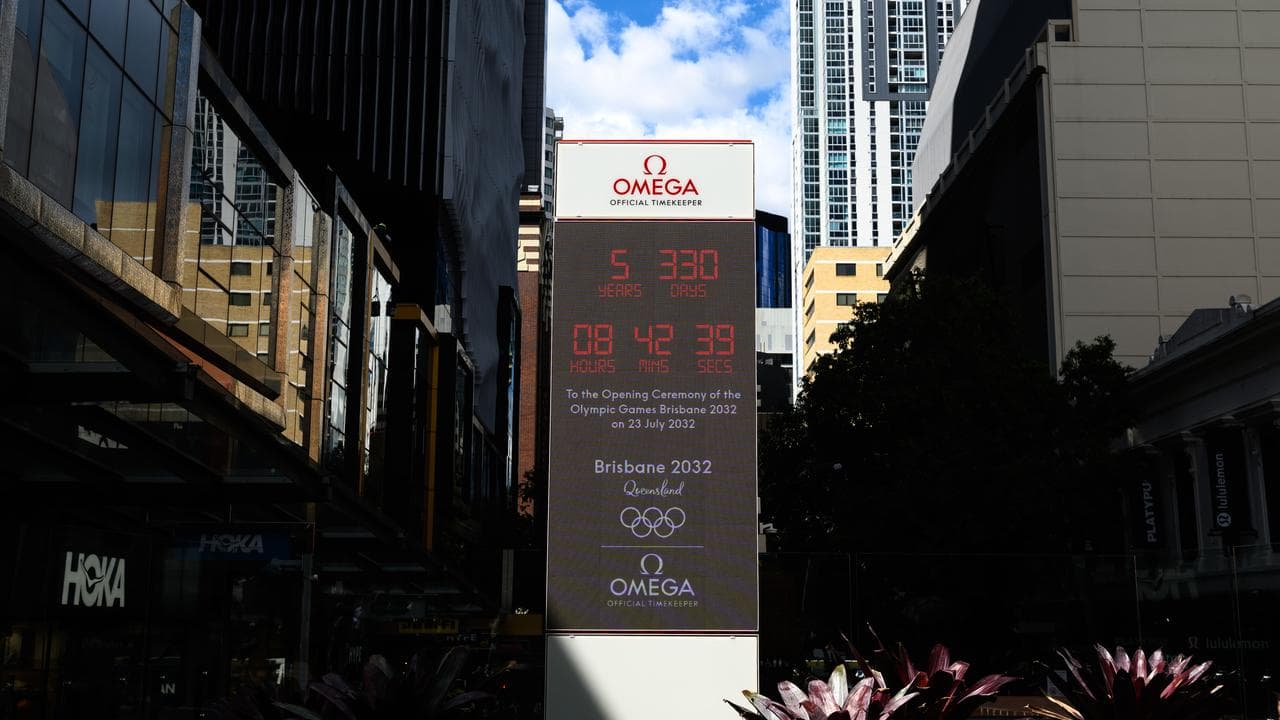
Perkins is worried about what the growing wealth gap in Australia means for sport.
"As sport becomes more expensive and even more the domain of the exclusive, you're just reinforcing that your best opportunity to be a really successful athlete in Australia is to be white and wealthy," he said..
"That's not sustainable and especially if we want to be really, really selfish about it and say, 'Actually the most important thing is winning on the field of play'.
"OK, what do we need to (have) the best talent and the most of it we can find and therefore, the pool of humans we're drawing from has to be diverse.
"Those social inequities, the division that's being more and more ingrained - those are, from my end, the crisis point that we're facing and we need to work much harder to resolve."
Perkins warned a reckoning on sports funding would come when the Brisbane Olympics ended, noting there were 46 sports in Australia's high-performance system.
"That is unsustainable and the reality is when we get to the other side of Brisbane, the money is going to evaporate very, very quickly when government and corporate attention moves away," he said.
"If we haven't built sustainability ... then we're doomed to repeat the mistakes of the past.
"It's going to require all parts of the system to support that. We just need to be honest about it."


