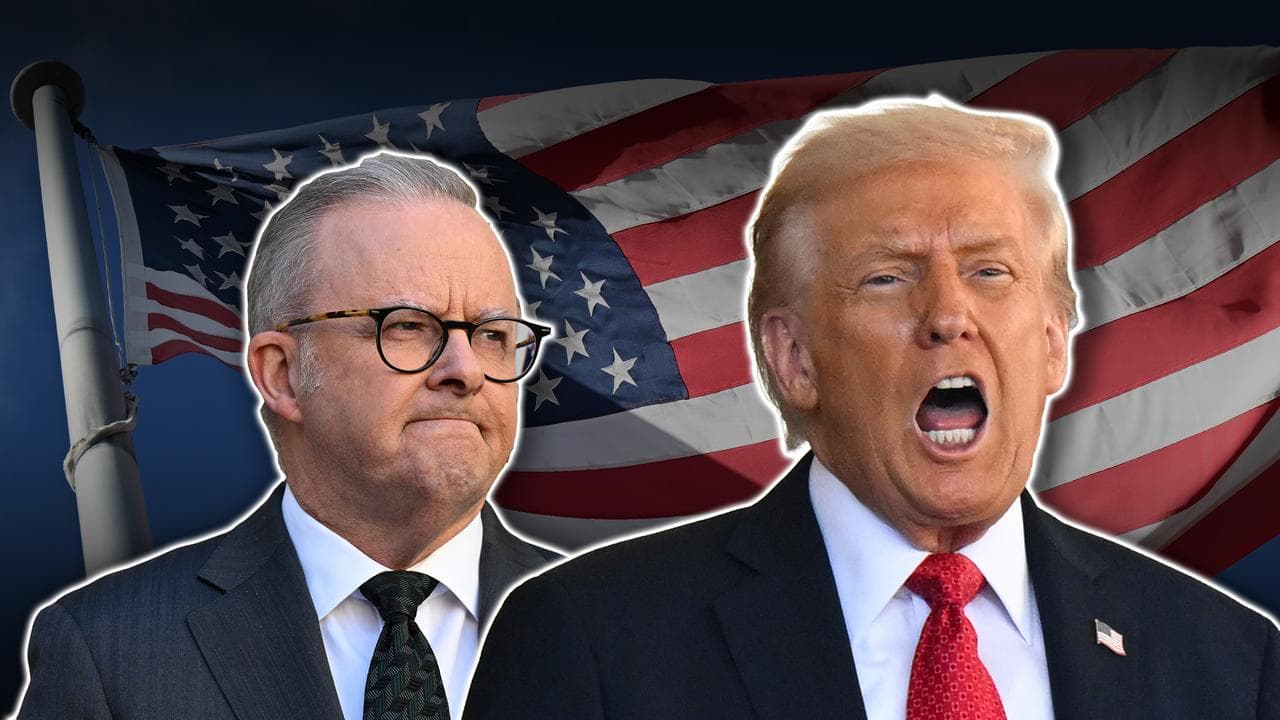
Australia's fresh assault on social media platforms has prompted its most important ally to fire off a warning about "extortion" of the online sector.
The missive came from from the White House on Wednesday, after Labor unveiled its digital duty of care reforms to enforce minimum standards on social media platforms and let users choose what they see on their feeds.
Fines of $100 million for non-compliant tech companies and taller guardrails against harmful and illegal content also feature in the sweeping changes, which the government proposed on Tuesday.
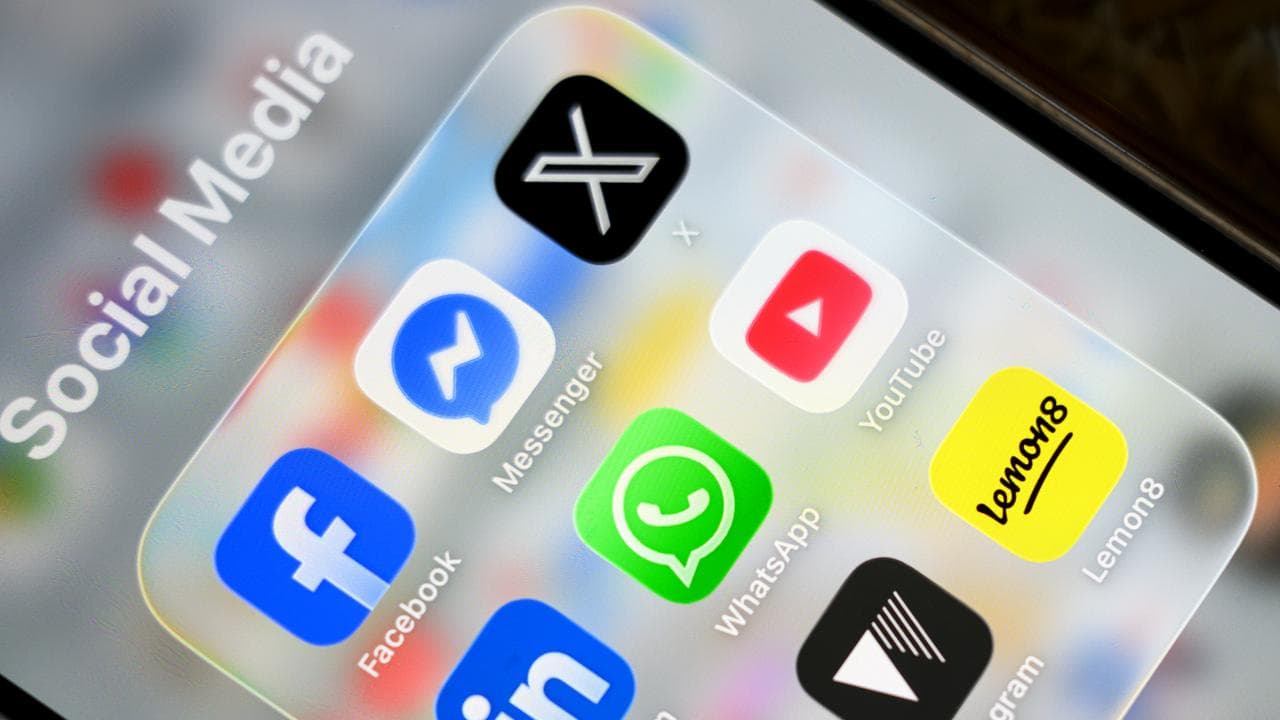
"President Trump has unequivocally warned trading partners against imposing digital services taxes, fines, and other forms of extortion on America’s leading technology sector," the administration's spokesman Kush Desai told the Sydney Morning Herald.
"The administration remains committed to raising these issues with our trading partners.”
AAP has contacted the US State Department.
But it was unclear whether Washington would flex its economic muscles to bat for big tech companies, University of Sydney technology regulation researcher Rob Nicholls told AAP.
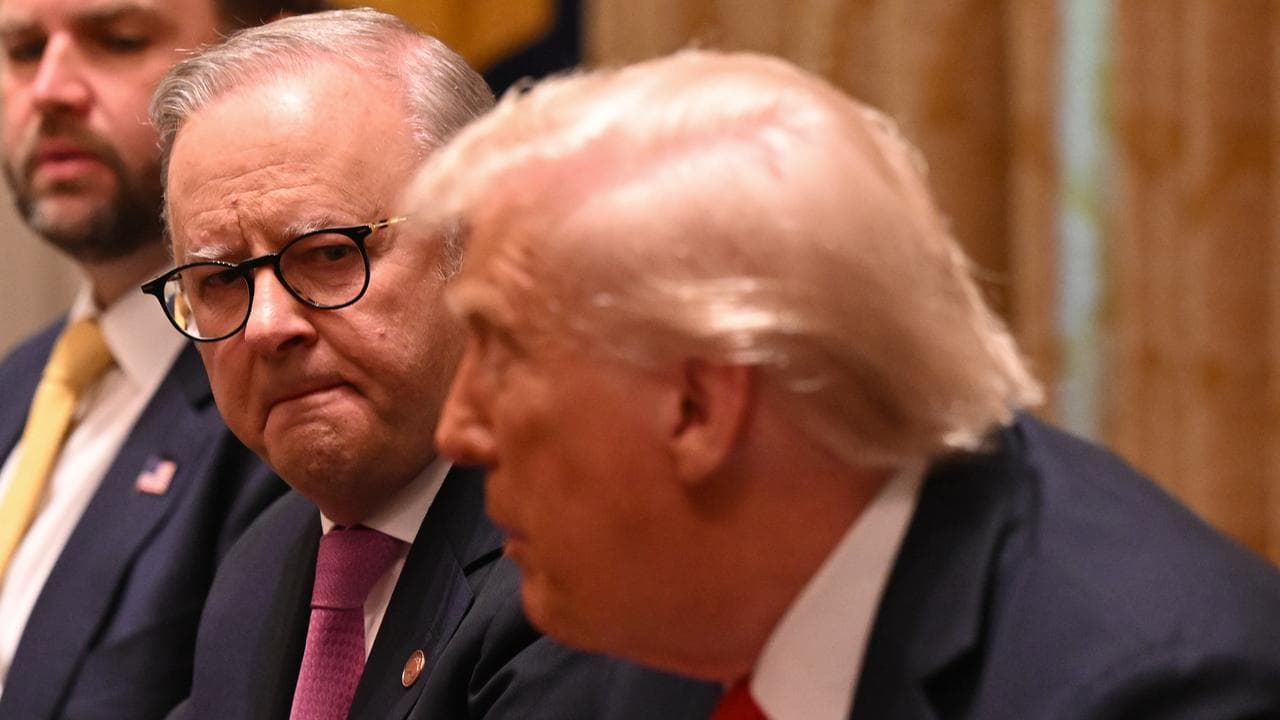
He said it was unlikely the US would take action, unless the issue got linked to midterm elections.
"The current ... tariffs that were imposed after arguments that we have modern slavery in all of our supply chains, that's almost certainly not true," Dr Nicholls said.
Australia was one of 60 economies whose exports were slapped with 12.5 per cent tariffs in July over supposedly importing goods produced with forced labour.
"To add on more tariffs is is going to be a challenge," Dr Nicholls said.
While Canberra was on the leading edge of global social media regulation, big tech companies had weathered similar reforms overseas without much complaint, according to Dr Nicholls.
"There's a digital duty of care already in the UK, the Digital Markets Act in the EU creates similar types of regulatory burden, so none of this is dramatically new," he said.
"Platforms aren't that keen on it, but they've lived with it."
He said a decision to tax tech giants on their income from streaming and cloud computing services, handed down separately by the Australian Taxation Office on Friday, was much more likely to be a sticking point.
Communications Minister Anika Wells also played down the White House's frustration with the proposed changes to social media.
"I wouldn't characterise that statement as (calling the regulations extortion) whatsoever," she told reporters.
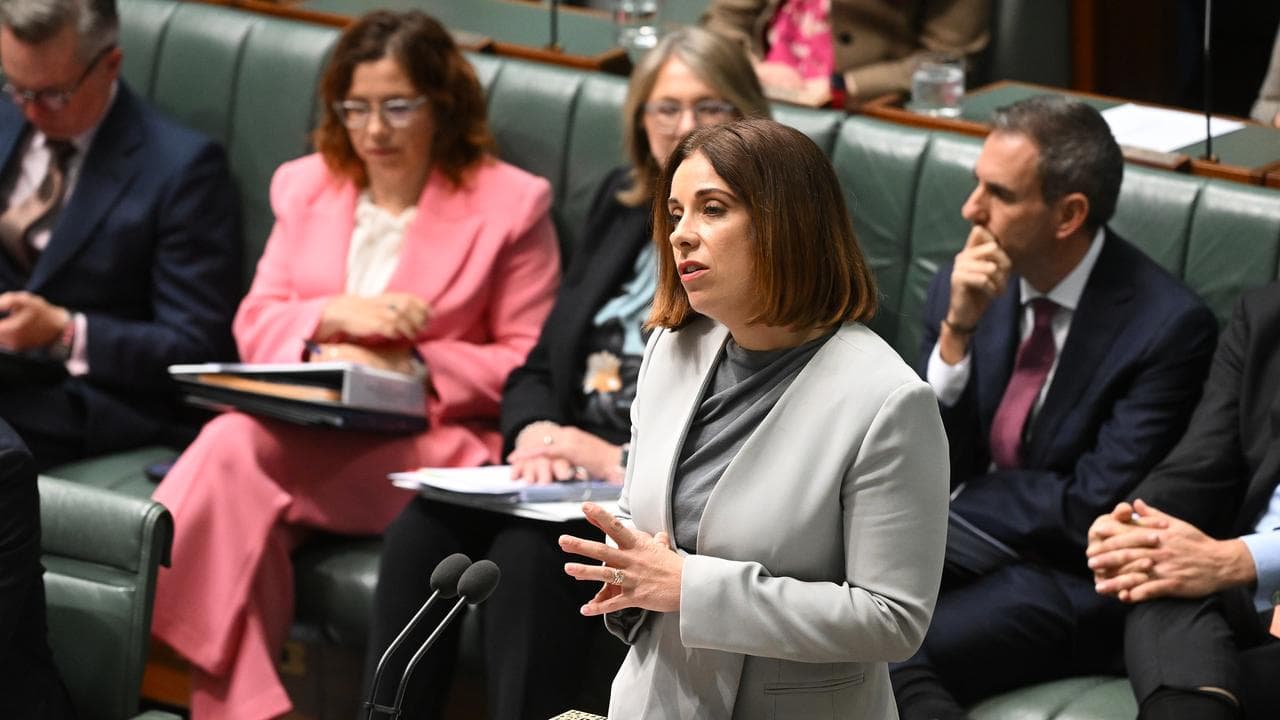
She alluded to the prime minister's upcoming visit to New York to spruik the reforms before the United Nations, where he may also meet with US President Donald Trump.
"We're a sovereign nation. We're proud to stand up for Australian parents and kids, and (the prime minister) looks forward to hopefully seeing the president when he goes to the UN."
This is the second time in less than a month the United States has bristled over Labor's crackdown on big tech, after a new law to tax digital platforms unless they strike deals with Australian media was labelled a "shakedown" in August.
Americans for Tax Reform, a Trump-aligned lobby group, demanded the US hike tariffs on Australia in response to the news bargaining incentive, which imposed a 2.75 per cent levy on platforms' digital advertising revenue unless they paid Australian outlets.


