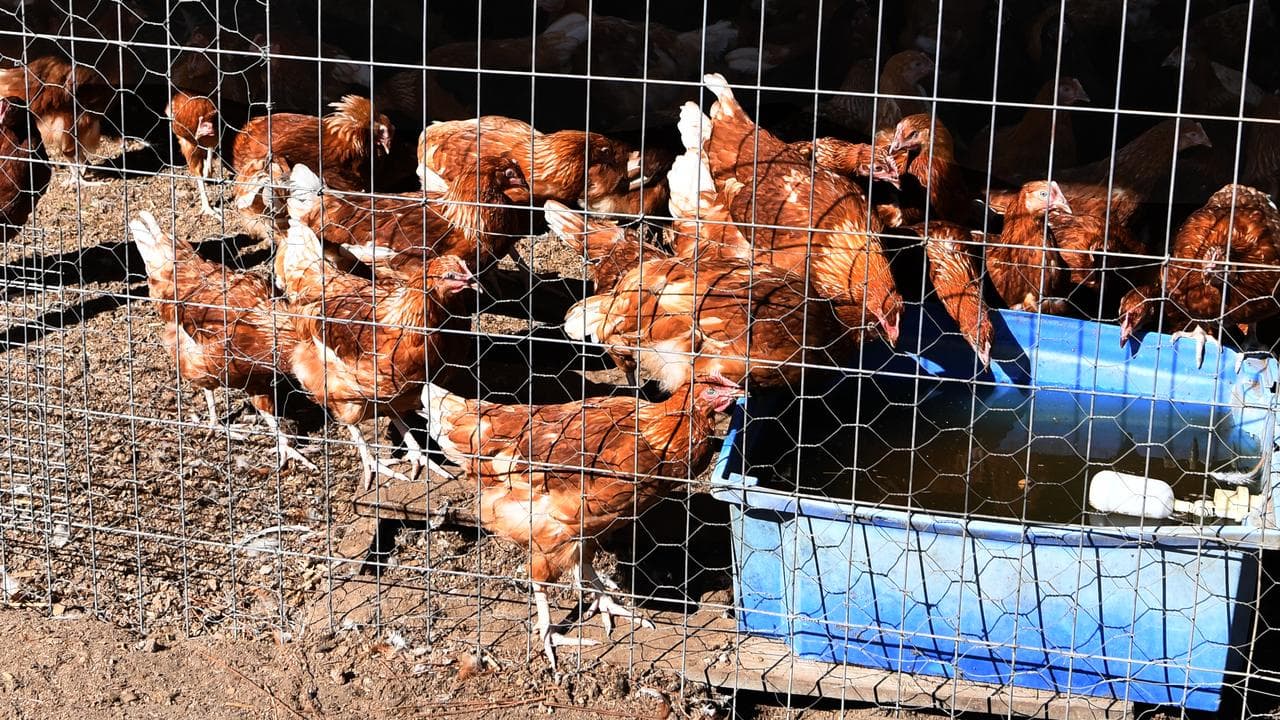
Australia's poultry farmers can expect a bird flu mortality rate similar to the devastating outbreak in the United States, an expert says.
The warning comes as the Melbourne Royal Show cancels its poultry competition at this year's event, citing uncertainty about the growing outbreak.
Genetic similarities had been found between the US virus and the H5 mutation ravaging the southern hemisphere's wildlife, Australian Centre for Disease Preparedness scientist Frank Wong said.
The deadly strain has hit Australian shores with a total of almost 300 infections confirmed on Wednesday, a day after the federal government rolled out vaccines for captive populations of threatened birds.
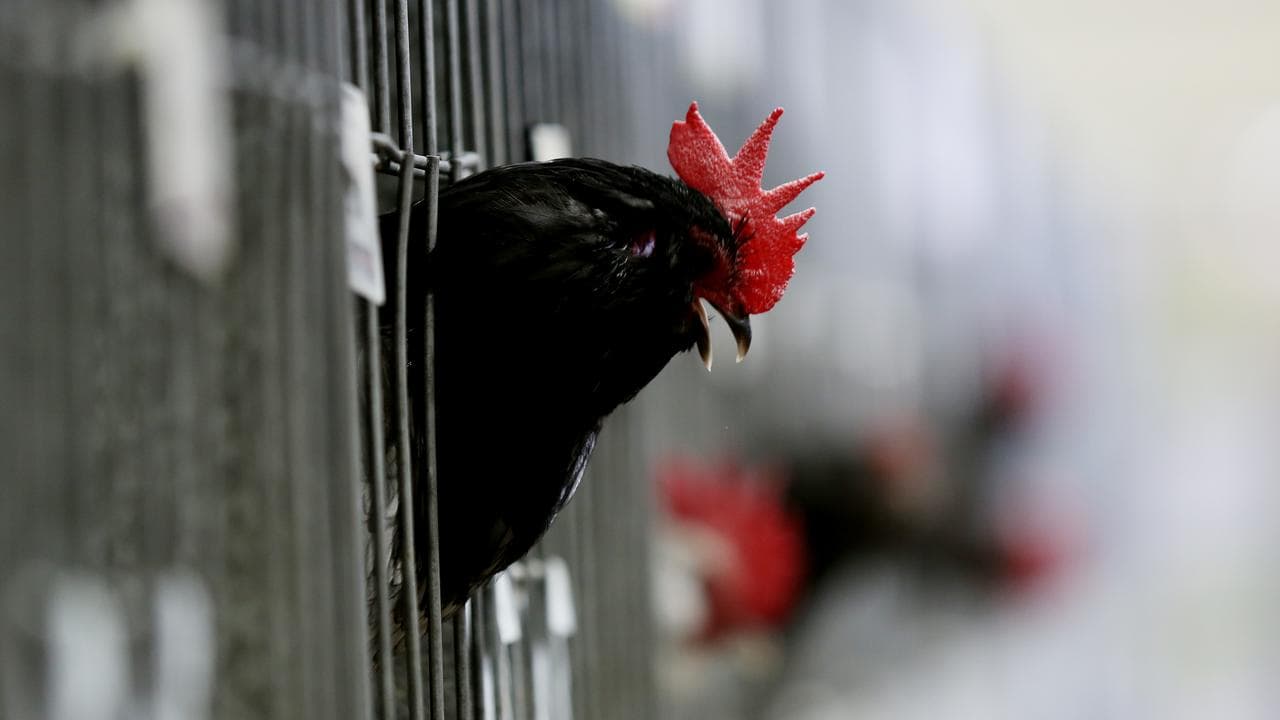
Losses have exceeded 200 million across the US and Puerto Rico since the outbreak hit in 2022, accounting for about three-quarters of total domestic poultry loss, according to the American Veterinary Medical Association.
It would be almost impossible to stop the virus from causing a similar scale of devastation for Australia's poultry industry once the deadly strain was established, Dr Wong said.
"Chickens in general are very susceptible to highly pathogenic bird flu viruses," he told a CSIRO briefing on Wednesday.
"We want the industry to be aware and do the best it can, in terms of biosecurity and other strategies that are in place to minimise the interaction between wild birds and poultry flocks."
Debbie Eagles, also from the Centre for Disease Preparedness, said a range of vaccines had been used for poultry including some manufactured in Australia for previous outbreaks.
No poultry vaccine was currently being manufactured in Australia, Dr Eagles said.
There have been no confirmed H5 cases in the Australian poultry industry.
The national bird flu tally blew out to 285 with another 49 cases confirmed on Wednesday.
All of them were wild seabirds in South Australia including 39 greater crested terns, six silver gulls and four pacific gulls, the Australian Centre for Disease Preparedness confirmed.
Organisers of the Melbourne Royal Show said the decision to cancel this year's poultry competition followed consultation with Agriculture Victoria and the chief veterinary officer.
"Melbourne Royal is grateful for the time and efforts our poultry exhibitors have put into their preparations for this year’s Show and greatly appreciate their understanding and continued support," executive general manager Hannah von Bibra said.
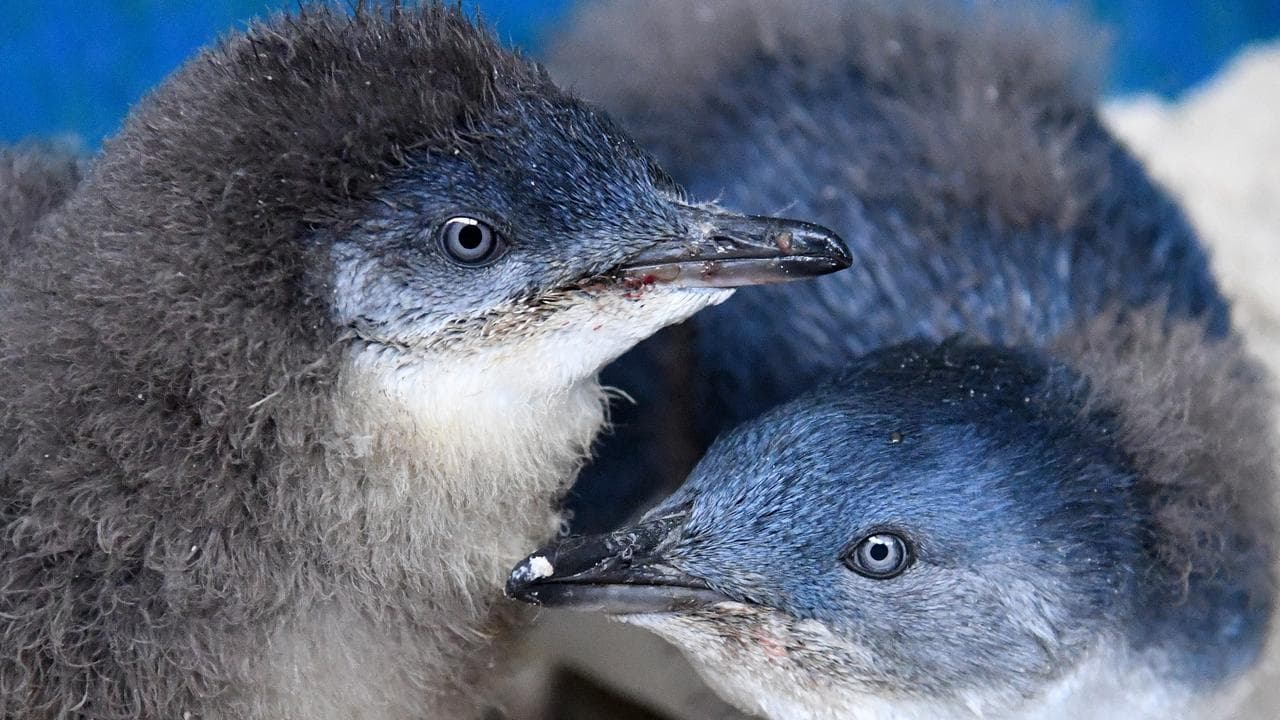
More than 5000 penguins on Phillip Island and in St Kilda will be vaccinated from early next week, the Victorian government said.
Phillip Island's "penguin parade", when the birds waddle from the sea to return to their burrows after dark, is a major tourist attraction in Victoria.
“We can’t stop H5 bird flu circulating in wild birds, but we can take practical steps to protect vulnerable species like our little penguins from its impacts," Environment Minister Jaclyn Symes said on Wednesday.
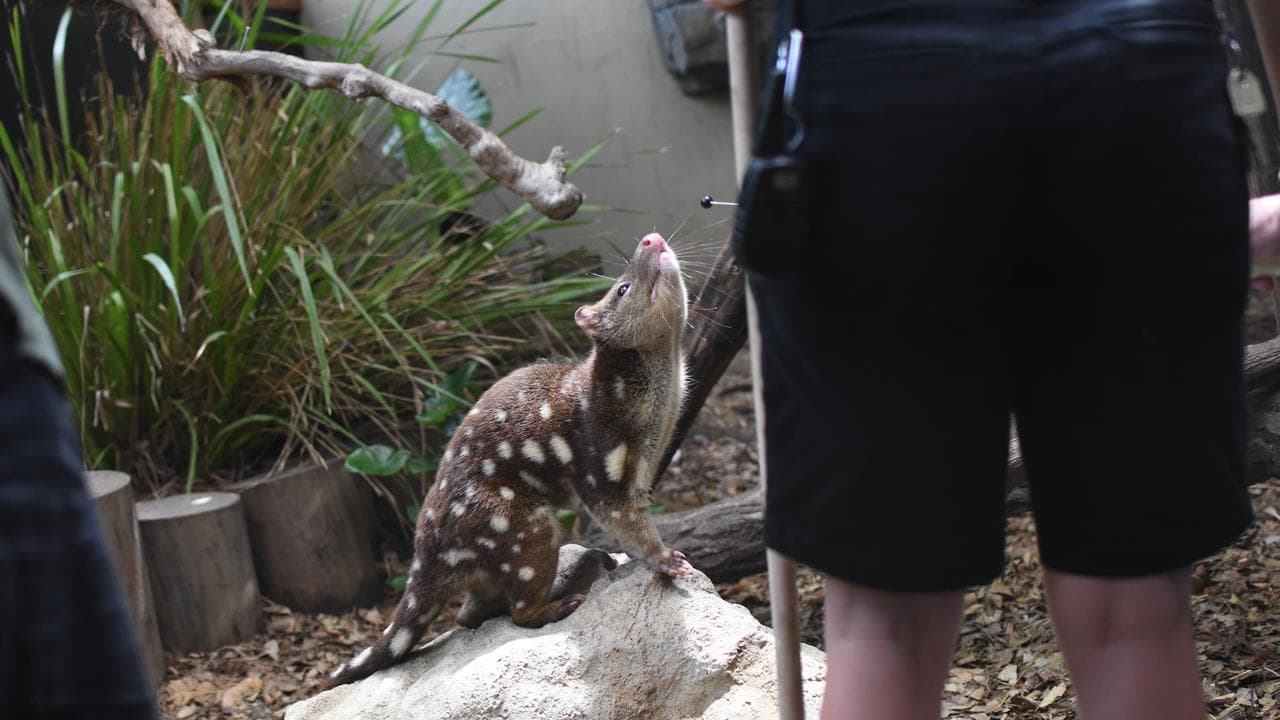
A leading ecologist has queried why vulnerable mammals including Tasmanian devils and sea lions had not been prioritised in the vaccine trials.
Deakin University wildlife ecology expert Euan Ritchie told AAP it was regrettable there was no vaccine available for Australian mammals.
"We have species like the Tasmanian devil, many quoll species, and of course the Australian sea lion and other marine mammals, which we think potentially are highly vulnerable," said Professor Ritchie, who is also the Australian Mammal Society president.
"Many of those could be trapped and vaccinated in the wild, and it's regrettable that that's not been made a priority."
Australia has the highest rate of mammalian extinction in the world, having lost about 10 per cent since European colonisation.
Dr Wong said while H5 remained an avian-adapted virus, there had been spillover infections to 55 different mammalian species around the world.
He said most of the infections involved scavengers or predatory species.
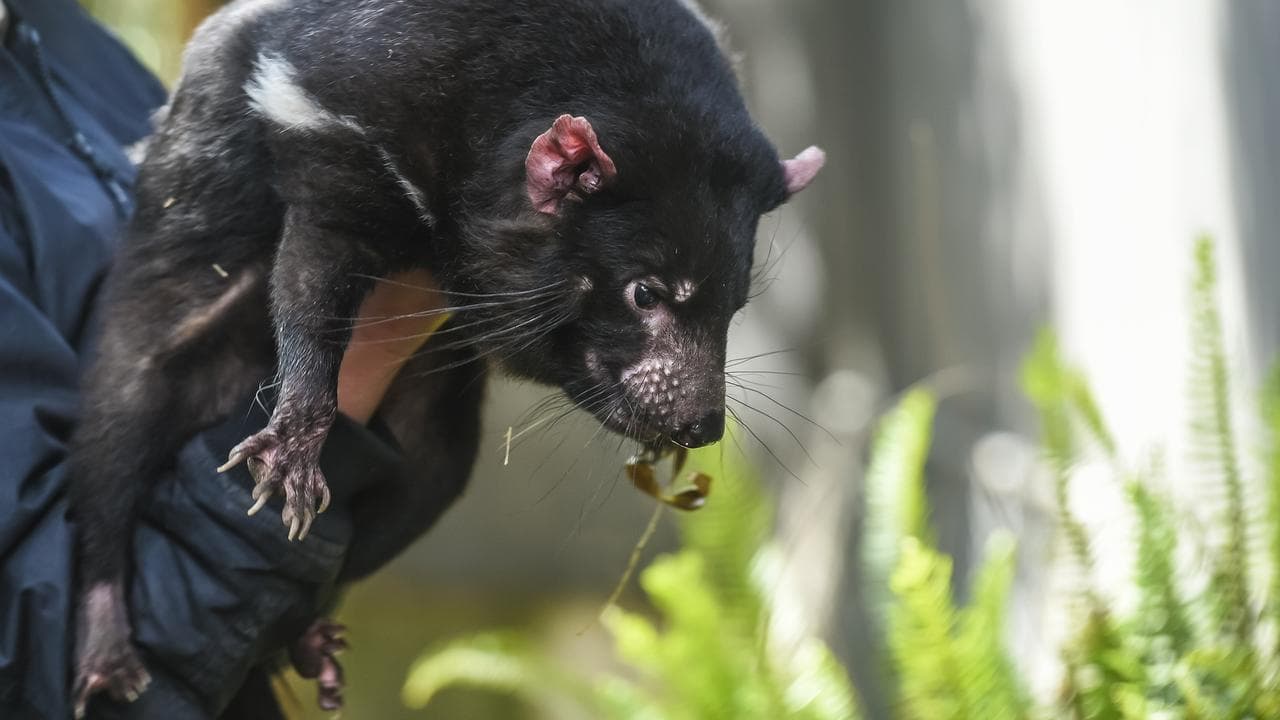
The endangered Tasmanian devil is an apex mammalian predator and a noted scavenger.
"These animals feed on sick and infected birds and then become infected themselves," Dr Wong said.
Domestic animals, livestock and pets including dogs, cats, rats and cattle can also be infected, as well as humans.
The threat to human health remained low, Dr Wong said.


