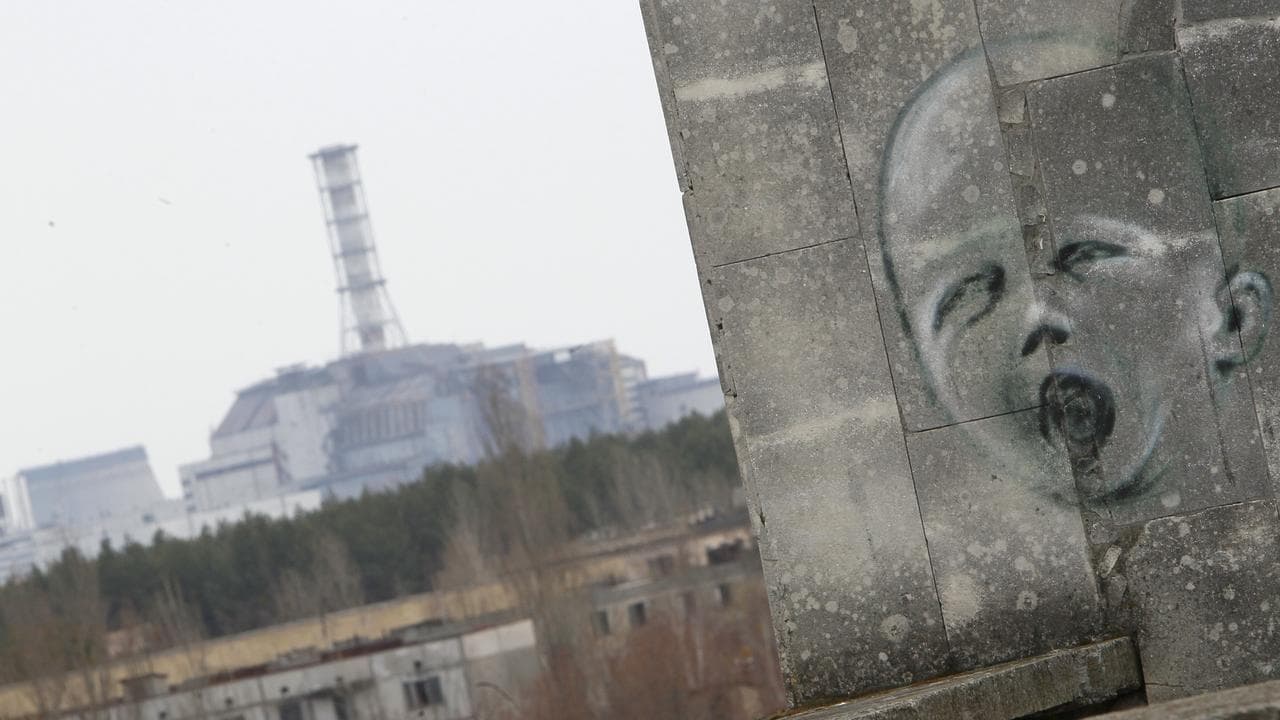
Forty years after the Chernobyl disaster, those who helped contain its aftermath, known as liquidators, recall a silent, relentless battle against radiation, an enemy they could neither see nor fight.
"Today we can see the enemy. We can shoot at him, bomb him. Back then, we could only endure his blows in silence. There was no way to fight him," Oleksandr Ryabeka says, drawing a stark comparison between today's war in Ukraine and the invisible threat he faced in Chernobyl four decades ago.
Ryabeka, now 66, was deployed with his unit from the Soviet-era security service between May 2, 1986, and April 16, 1987, following the April 26 explosion at the Chernobyl Nuclear Power Plant.
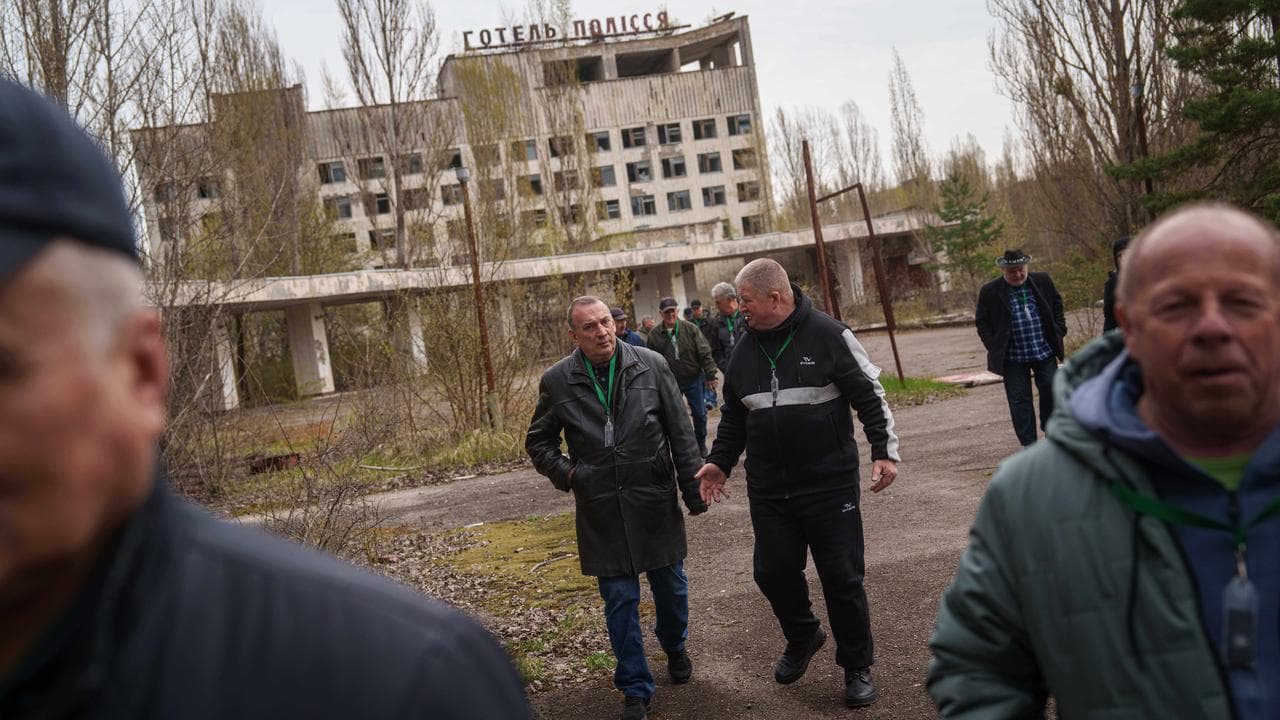
Initially tasked with evacuating civilians, he later helped maintain order and co-ordinate efforts to contain radioactive contamination.
"The hardest part was convincing people of the danger," he recalled. "They wanted to take their belongings, but we had to tell them everything was contaminated and had to be left behind."
The disaster left Ryabeka with long-term health problems.
Sergei Nejayevski was 32 and serving as a tank commander when Reactor No.4 exploded.
In January 1987, he was sent to the area as a battalion deputy commander to assist in clean-up operations and help encase the damaged reactor.
"People didn't feel the radiation, so they would take off their masks to smoke or sit anywhere," he said.
"One of our main tasks was to stop them."
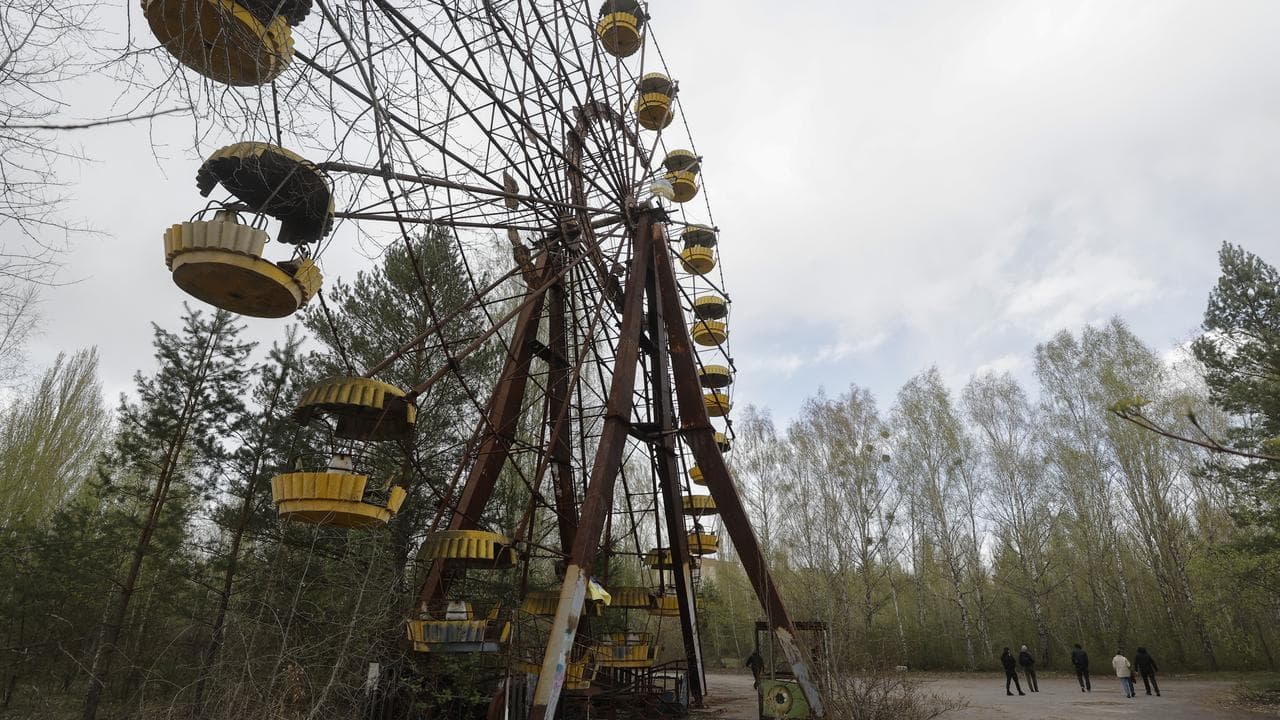
He also had to prevent personnel from entering abandoned homes in Pripyat, the nearby city built for plant workers.
"The best death is a quick death. Those of us who were in Chernobyl die slowly," Nejayevski said.
"Radiation damages bones and organs and eventually leads to cancer."
Like many others involved in the clean-up, he has been declared disabled.
A native of Mariupol, he is now part of an association defending the rights of former liquidators.
In Mariupol alone, at least five liquidators were bedridden for years, he said.
At the time, the risks were not fully understood. Many civilians volunteered for clean-up work, attracted by higher pay.
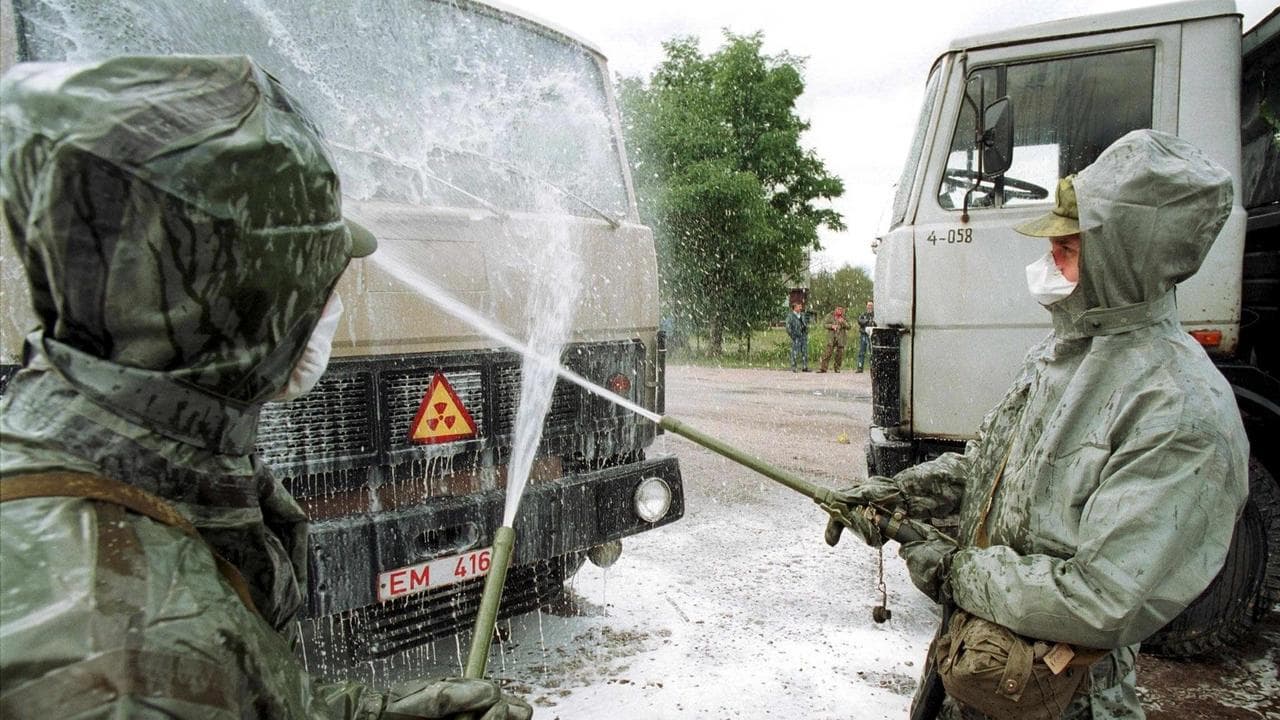
Nejayevski, also a musician, has composed songs in tribute to his fellow liquidators. He recalled that about 100 medical workers from Mariupol went to assist after the accident.
By 2022, only seven were still alive, he said.
Viktor Bezruchko, another former soldier, spent a month working 12-hour shifts in the contaminated zone.
"No one was afraid. It was just work," he said.
"There was some concern about what might happen later, but we did our job."
At the time, he added, many did not fully grasp the risks.
"People didn't understand what was happening."
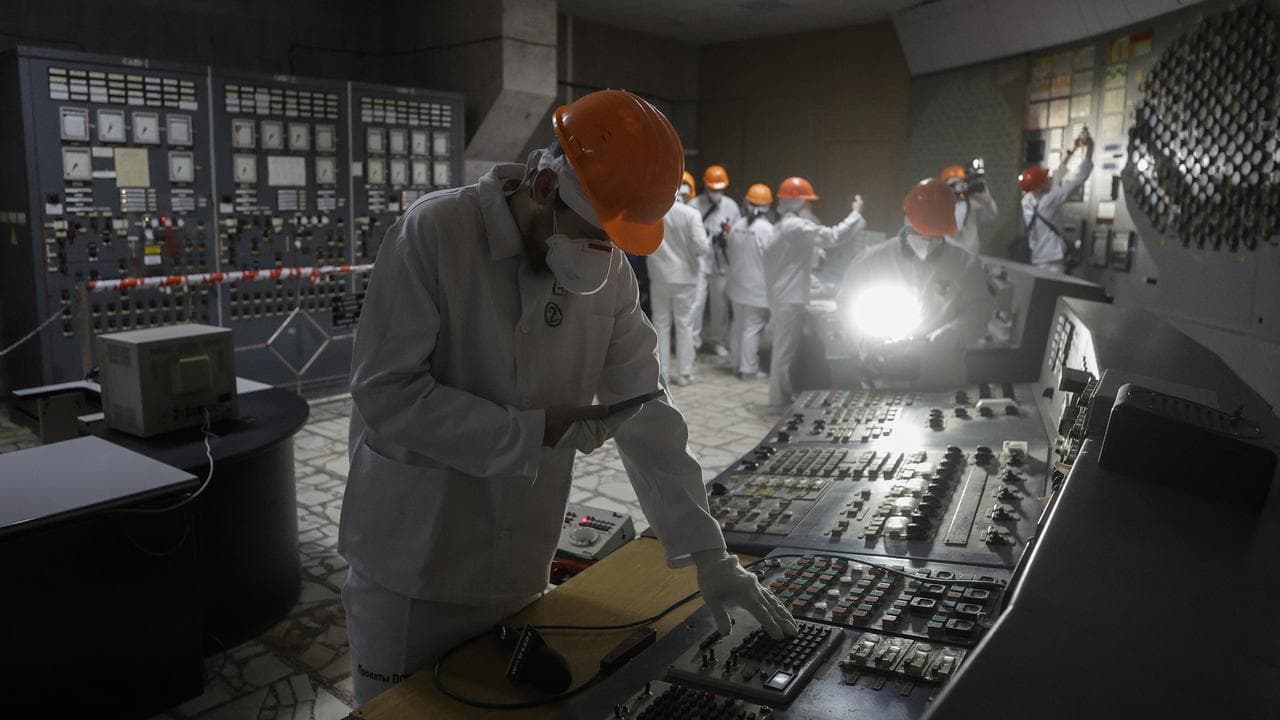
A communications specialist, Bezruchko faced additional challenges.
Radiation disrupted electronic equipment, forcing teams to rely on verbal communication.
There were protocols, but everything had to be organised on the ground, he said, describing the chaotic and improvised response.
Four decades on, Bezruchko has no desire to return to the exclusion zone.
"I've had enough for a lifetime," he said.


