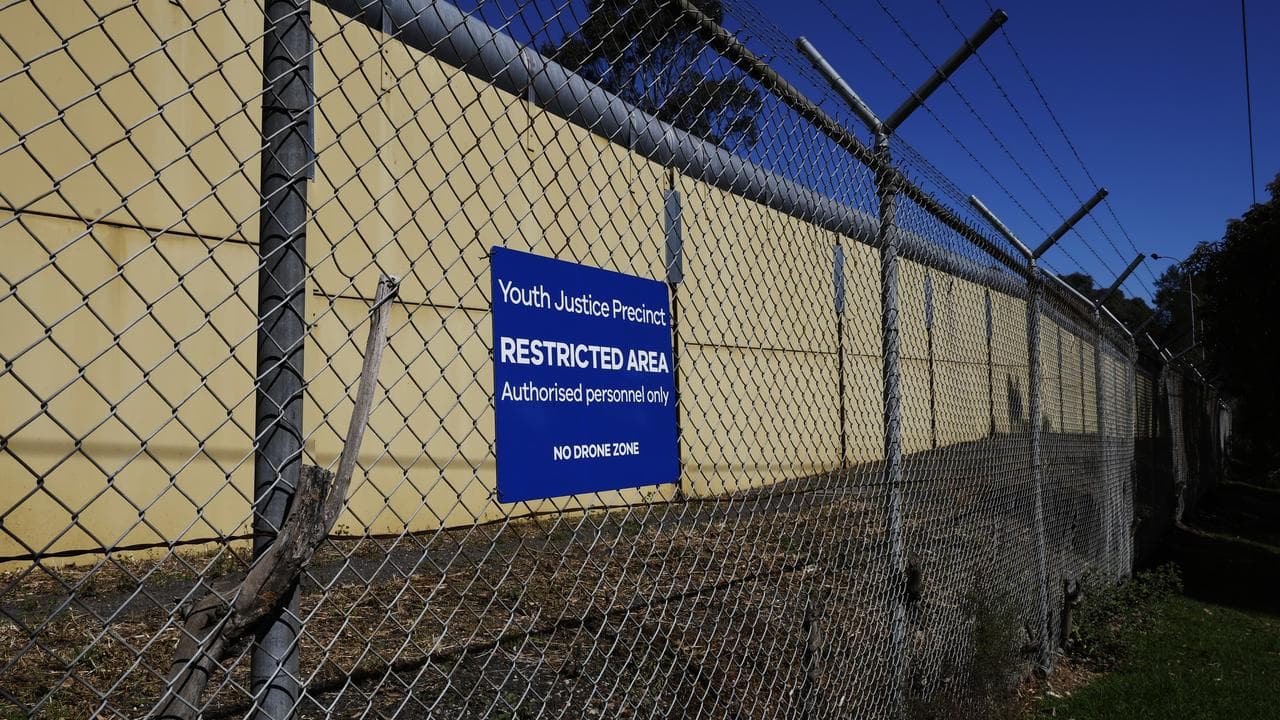
Advocates are calling for national leadership as a report into youth justice reveals children's rights being eroded by 'tough on crime' approaches across the country.
Harsh bail laws have been imposed in a number of states and territories, controversial 'adult time' legislation introduced in Queensland and Victoria, and concerns raised over the re-introduction of spit hoods and lowering the age of criminal responsibility in the Northern Territory.
The current approach to youth crime is not working particularly in states introducing these punitive measures, says chief executive Catherine Liddle of peak body for Indigenous children SNAICC.
“What they do is erode children’s rights and place more Aboriginal and Torres Strait Islander children into systems that are not designed to support them," she told AAP.
A report from Save the Children and 54 Reasons called for the federal government to introduce national standards for youth justice to bring those jurisdictions into line with human rights obligations.
Not only do these punitive measures violate children's rights, 54 Reasons executive director Vicki Mau said reoffending becomes more likely when young people are locked up.
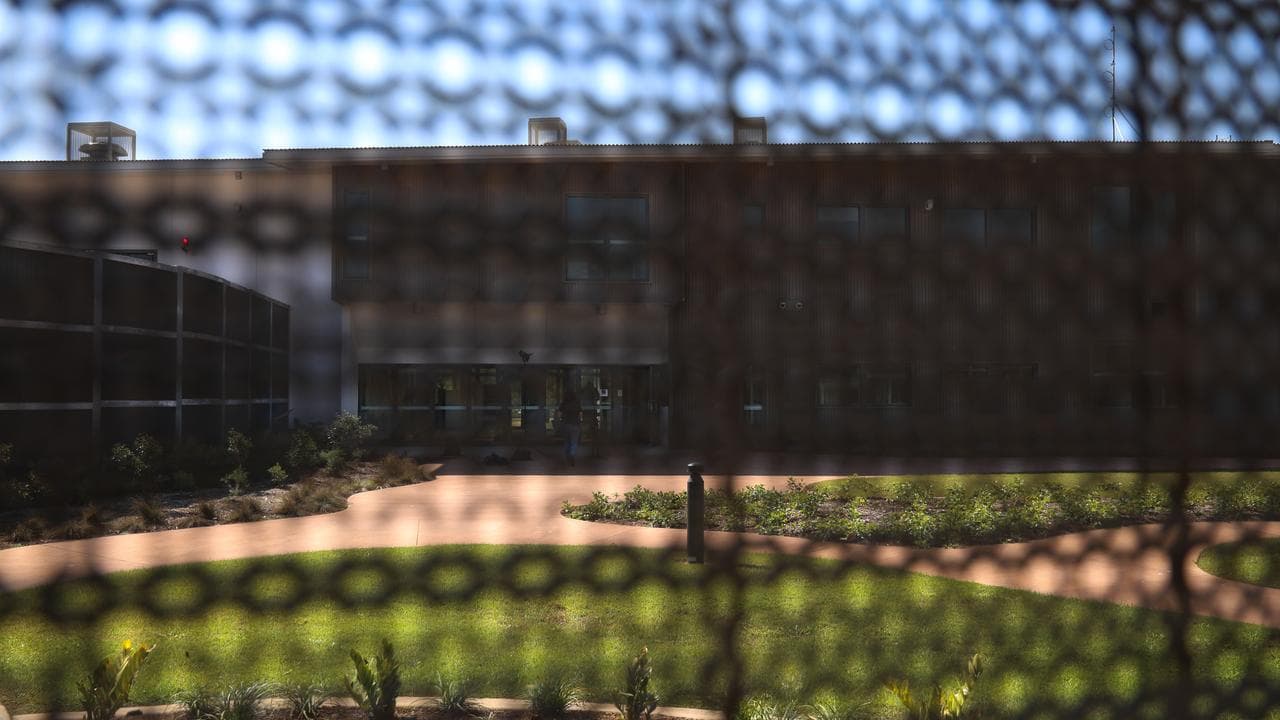
"We know that if you have punitive measures, you're pushing a problem down the road because those people will only become more likely to reoffend into the future," she said.
"We know that locking up children doesn't reduce crime, it creates more of it."
These impacts are felt even more starkly by Aboriginal and Torres Strait Islander children, who are almost 27 times more likely to be in detention on an average day, the report said.
Ethan, whose name has been changed to protect his identity, is currently in detention after breaching bail.
The 16-year-old First Nations boy said there was a repeated cycle of incarceration for many young people.
"The only way they think is go out, do crime, get locked up and get out again," he said.
Ethan has worked with 54 Reasons through their youth justice programs, helping him to make better decisions.
“I want to better the mistakes I made and learn from my mistakes," he said.
Ms Liddle said addressing root causes of crime like poverty, trauma, disconnection from family and failures of the child protection systems is more effective in preventing crime than incarceration.
“Aboriginal and Torres Strait Islander children are 10 times more likely to have been in the child protection system, and many of these 'crossover kids' are entering youth justice because earlier systems have failed them," she said.
“This is not a sign of bad children, it is a result of bad systems."
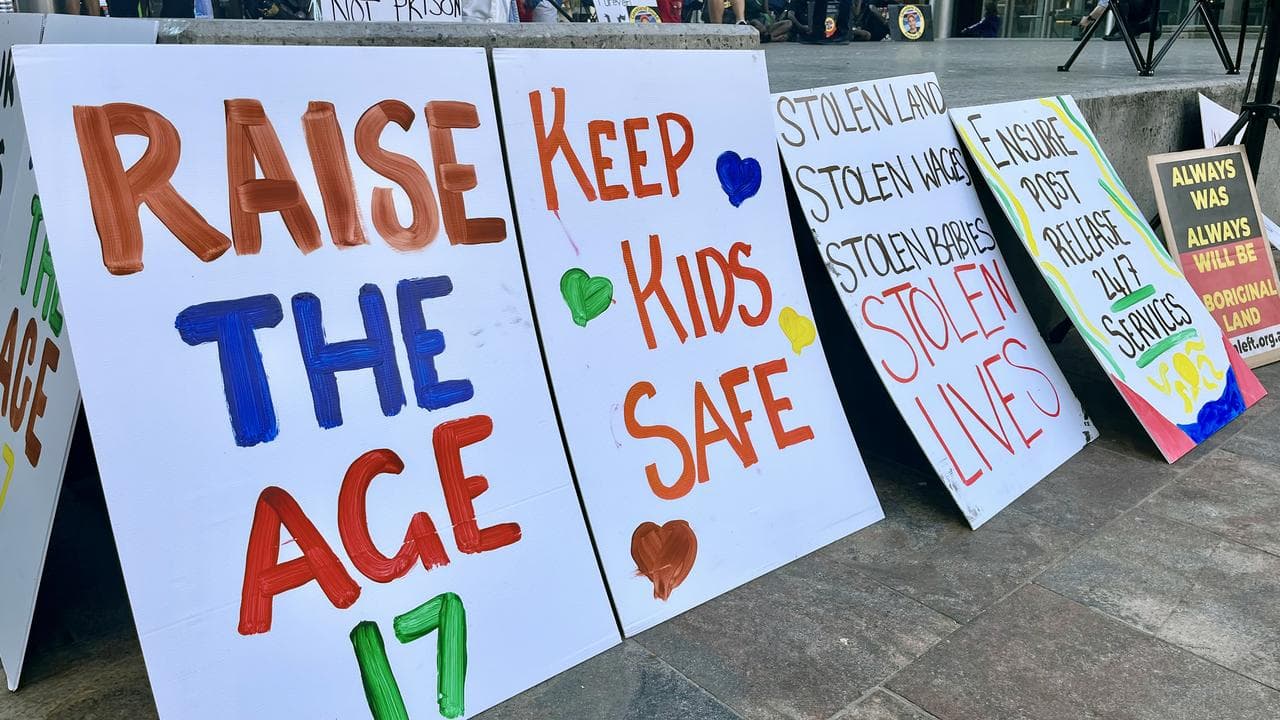
The report also recommends including young people in decisions that affect them, establishing federal and state cabinet ministers for children and raising the minimum age of criminal responsibility to 14.
13YARN 13 92 76
Lifeline 13 11 14
Kids Helpline 1800 55 1800 (for people aged 5 to 25)


