What was claimed
St Vincent's Hospital in Melbourne prioritises Indigenous people over all other patients.
Our verdict
Misleading. The policy does not apply to severe or life-threatening cases, only less urgent admissions.
AAP FACTCHECK - A major capital city hospital is not prioritising Indigenous patients over all other patients regardless of their immediate medical need, despite misleading claims on social media.
St Vincent's Hospital Melbourne's emergency department prioritises Indigenous patients in less urgent treatment categories over non-Indigenous patients in the same categories, but the policy does not apply to patients in urgent, severe or life-threatening categories.
The claim has appeared in various posts in the same week that Victoria's parliament passed a landmark Indigenous treaty bill.
"Under this policy, if you are Aboriginal and present at an Emergency Department, you will be prioritised based on race first rather than the severity of your health condition or immediate medical need," one post reads

"The stench of racism can be smelt in Victoria now," another reads, referencing the state's treaty.
"The recent hospital triage instruction where aboriginal people were given priority access over all other patients tells everything you need to know."
A different post also links the policy directly to the state's recently passed Indigenous treaty.
"Thanks to this Victorian Treaty imposed by the Labor Government, St Vincent's Hospital in Melbourne is discriminating by giving Indigenous patients fast-tracked care!" it reads.
However, the hospital policy does not prioritise Indigenous patients over all other patients, regardless of the severity of their condition or immediate medical needs.
It has also been in place since April 2024 and is not connected to the state's treaty legislation.
The hospital said the policy was implemented after a review found Indigenous patients were waiting on average three times longer in the emergency department than non-Indigenous patients, and were three times more likely to leave without being seen.
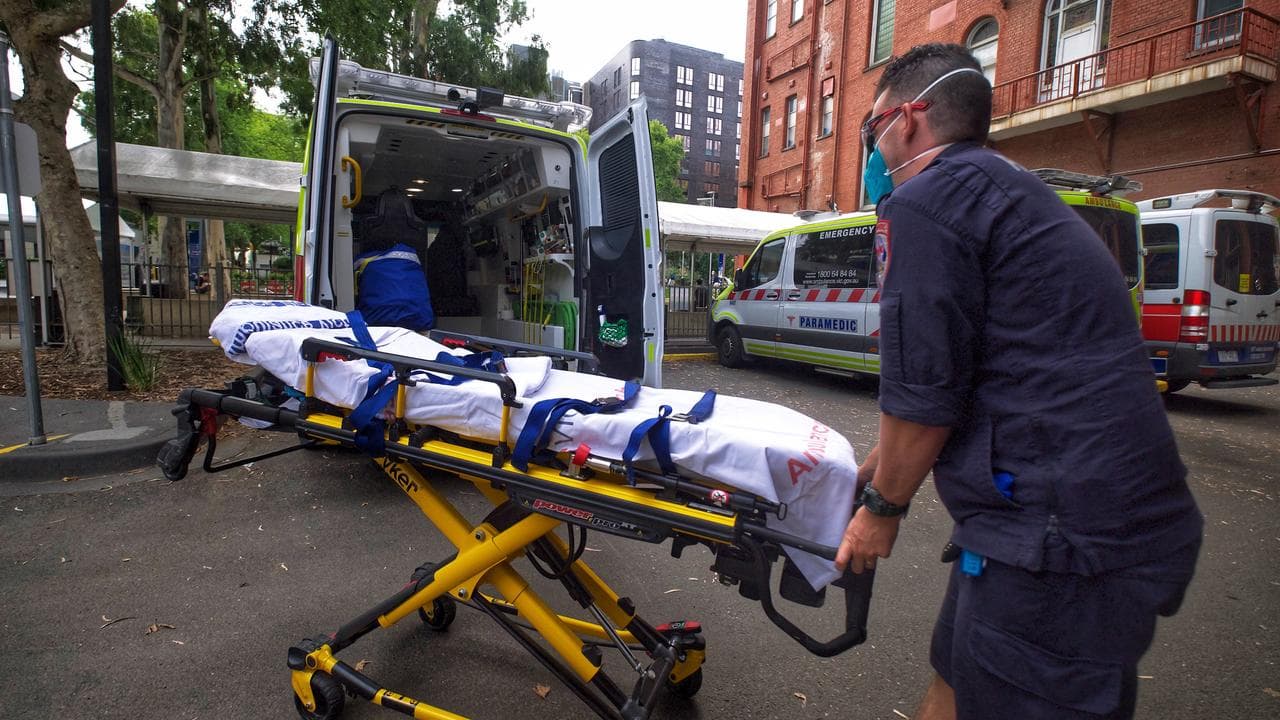
It relates to the Australasian Triage Scale (ATS), which is used by hospital emergency departments to prioritise patient care based on urgency.
On the scale, Category 1 patients have life-threatening conditions requiring immediate intervention, while Category 2 patients face either imminently life-threatening conditions, have severe pain, or need time-critical treatments, and must be seen within 10 minutes.
Category 3 patients have potentially serious conditions that require assessment within 30 minutes and Category 4 patients have moderate symptoms or significant pain and must be treated within one hour.
Category 5 patients are those with minor ailments or who require only administrative services and can safely wait up to two hours.
The hospital's policy is to move all Indigenous patients in Categories 4 and 5 into Category 3. In effect, this means that it aims to assess and begin treating all Indigenous patients within 30 minutes.
However, St Vincent's Hospital confirmed in a statement that the policy does not affect any patients in Categories 1-3.
Chief executive Nicole Tweddle said the emergency department assesses about 150 patients per day and the policy only applies to about two Indigenous patients each day.
"Patients presenting with a serious or life-threatening emergency – regardless of their background – will always be seen first," she said in a statement.
"That's what ED triage is designed to do.
"We’re not ignoring medical urgency. We’re simply addressing the factors that were causing First Nations patients to be waiting three times longer than everyone else in our ED."
AAP FactCheck is an accredited member of the International Fact-Checking Network. To keep up with our latest fact checks, follow us on Facebook, Instagram, Threads, X, BlueSky, TikTok and YouTube.


