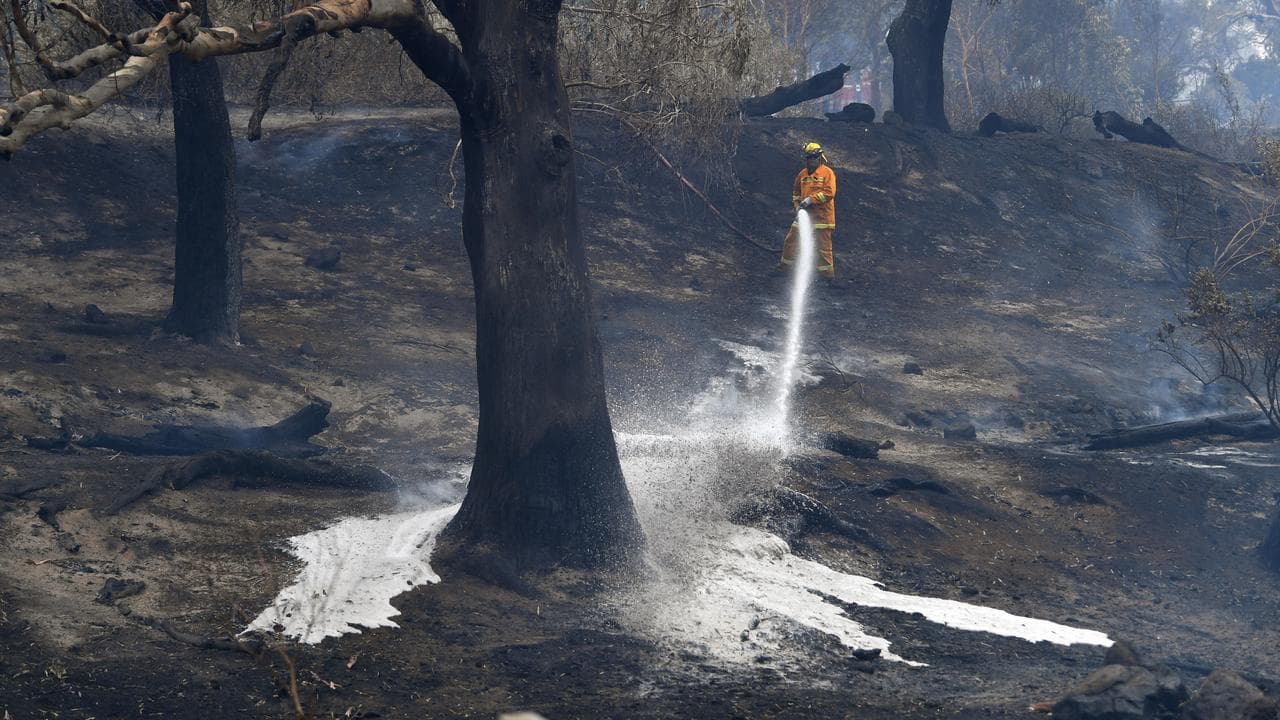
Restoring Indigenous cultural burning could help break a "catastrophic fire loop", plaguing Australia's southeast forests, a new study has found.
Researchers reconstructed the past millennium of vegetation, fire and erosion in Victoria's Croajingolong National Park in East Gippsland, one of the most fire-prone forests.
The study published on Thursday by the University of Melbourne, found long-term environmental shifts should not be blamed on climate change alone, with the crisis linked to colonial land use.
“Climate records show that seasons of comparably dangerous fire weather, such as those seen during Ash Wednesday and Black Saturday, occurred in the region repeatedly before colonisation, yet the open landscape maintained by cultural burning protected the land from catastrophic fire," lead author Michael-Shawn Fletcher said.
“When colonisation ended that care, the forest expanded and thickened across the region, loading the landscape with fuel. It is that transformation that has handed control of fire to climate.”
The study was sparked following the 2019/20 Black Summer fires, which burned through more than 1.5 million hectares and claimed the lives of five people in Victoria.
Researchers worked with several Aboriginal communities, focusing on wetlands, lakes and forests.
A conceptual model labelled a "catastrophic fire loop" was also developed, which was found to be impacting many parts of southeast Australia.
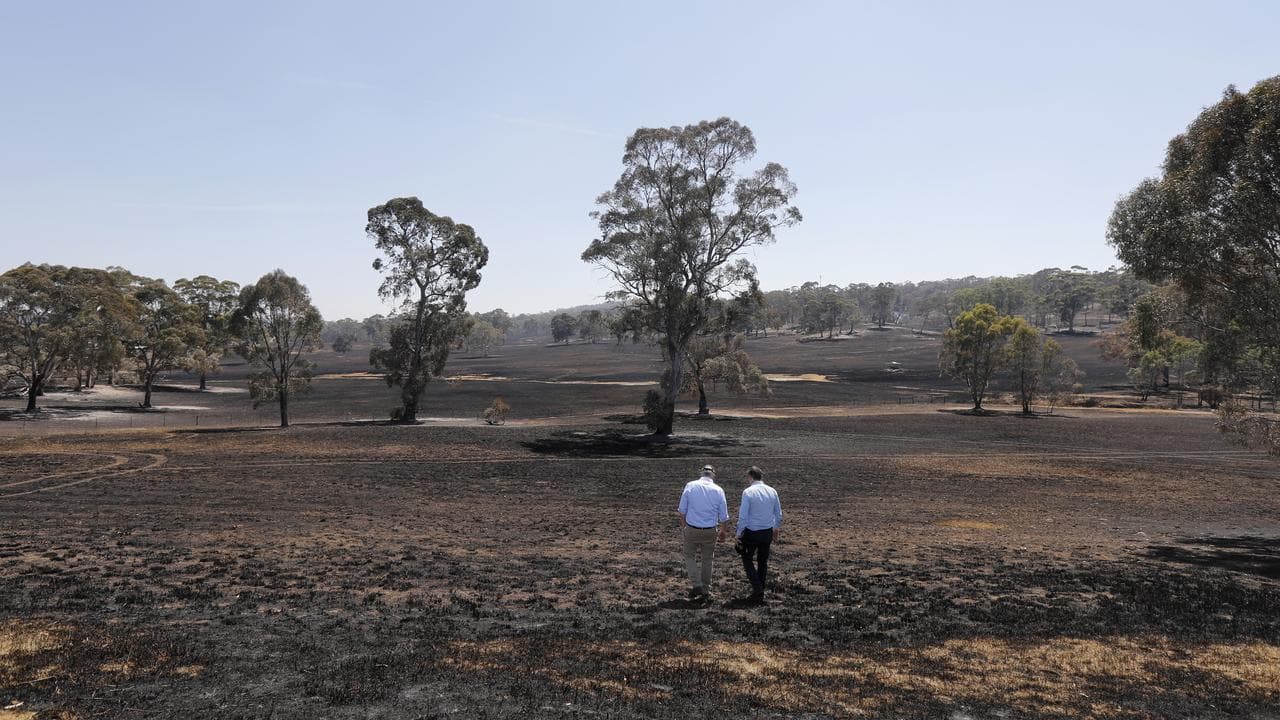
"This disruption following the British and the removal of Aboriginal people from country. You have a change in fire regime. You have hotter fires as shrubs increase in response to being let free from not having that continual low intensity fire," Prof Fletcher said.
"That hotter fire triggers eucalypt recruitment and thickening, that then triggers more fire and we now have these forests stuck in this loop which is now fuelled and driven largely by climate.
"The initial change, is one that is a land use change."
The paper also suggests that restoring cultural burning practices and supporting Traditional Owners to care for country are essential to mitigating fire risk.
Gunaikurnai elder Uncle Russell Mullett, from the Gunaikurnai Land and Waters Corporation, said his ancestors were born with towera (fire) as a part of practical daily life on country.
“Not treating country with towera, country becomes extremely dangerous for Gunaikurnai, animals and plants,” Mr Mullet said.
“Studies such as this provide firm scientific evidence to support towera land management initiatives for country.”


