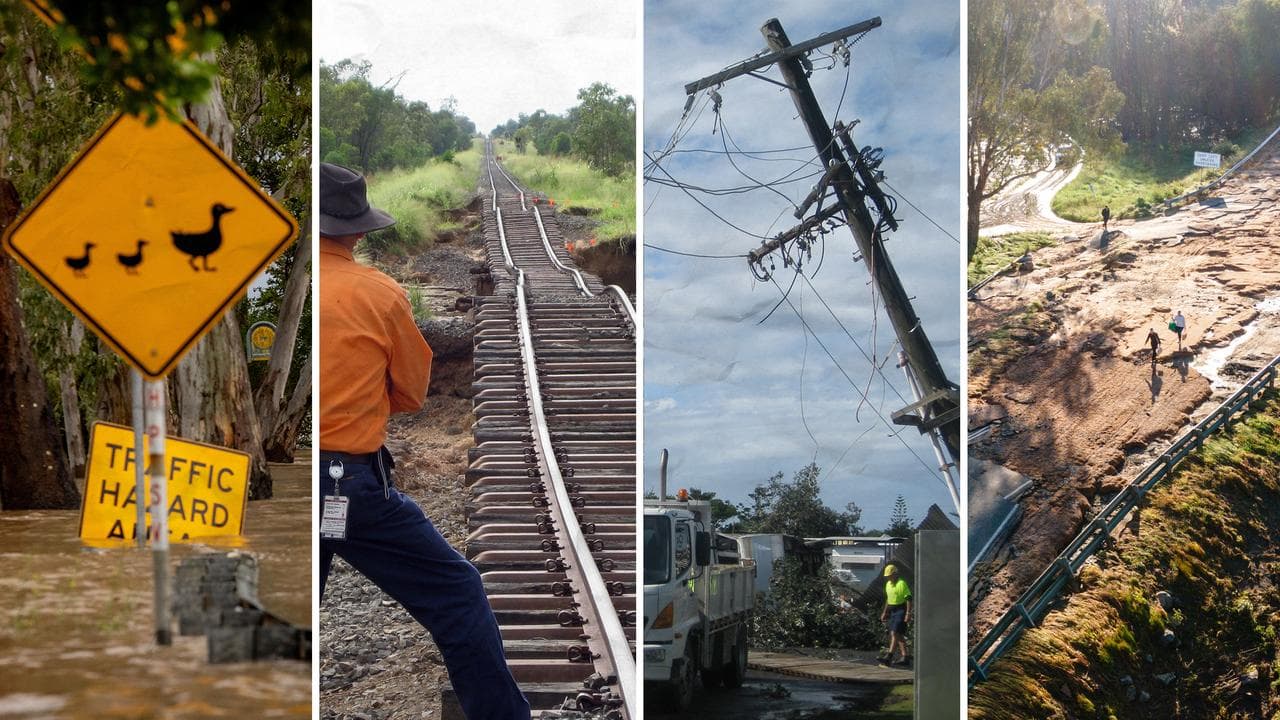
Tens of billions of dollars worth of roads, rail, hospitals and energy assets in one state alone are at risk of damage or destruction from climate change-fuelled extreme weather.
In what has been billed as an Australian first, Victoria's independent infrastructure advisory mapped risks posed by climate change to state government-owned or regulated infrastructure.
The research used climate hazard data to assess the exposure of existing assets to extreme heat, bushfire, drought, coastal inundation, flood, damaging winds and rainfall-induced landslides.
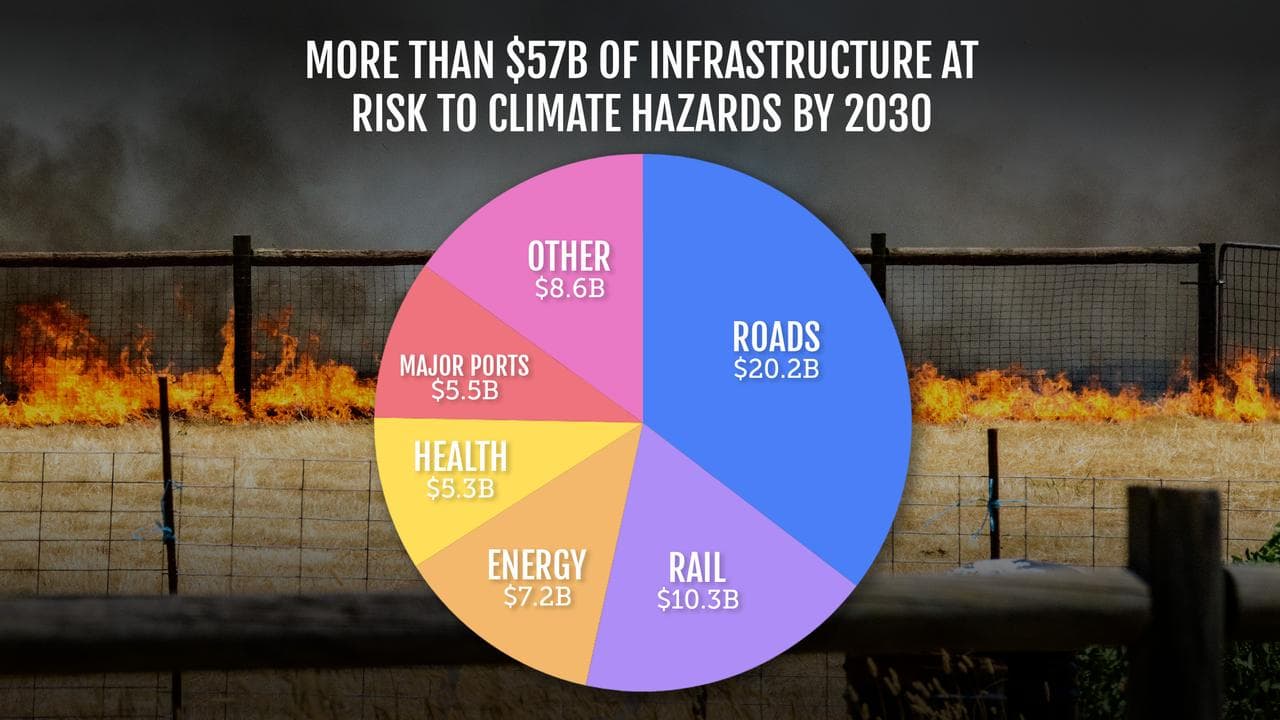
Of $318 billion worth of assets analysed across 10 sectors, Infrastructure Victoria found more than $57 billion would be at risk from climate hazards by 2030.
The figure was calculated under a "low scenario", in which falling emissions and a rapid transition to net zero would likely keep global warming to below 2C above pre-industrial levels.
Bushfires (more than $23 billion), flooding (more than $22 billion) and extreme heat (almost $11billion) posed the most danger, while roads ($20.2 billion), rail ($10.3 billion), energy ($7.2 billion), major ports ($5.5 billion) and health ($5.3 billion) faced the biggest potential wipeout in value.
Large-value roads in Melbourne, central Victoria and towards Wodonga and Traralgon were cited as vulnerable, along with rail infrastructure in the capital, Geelong and along regional corridors in the state's north.
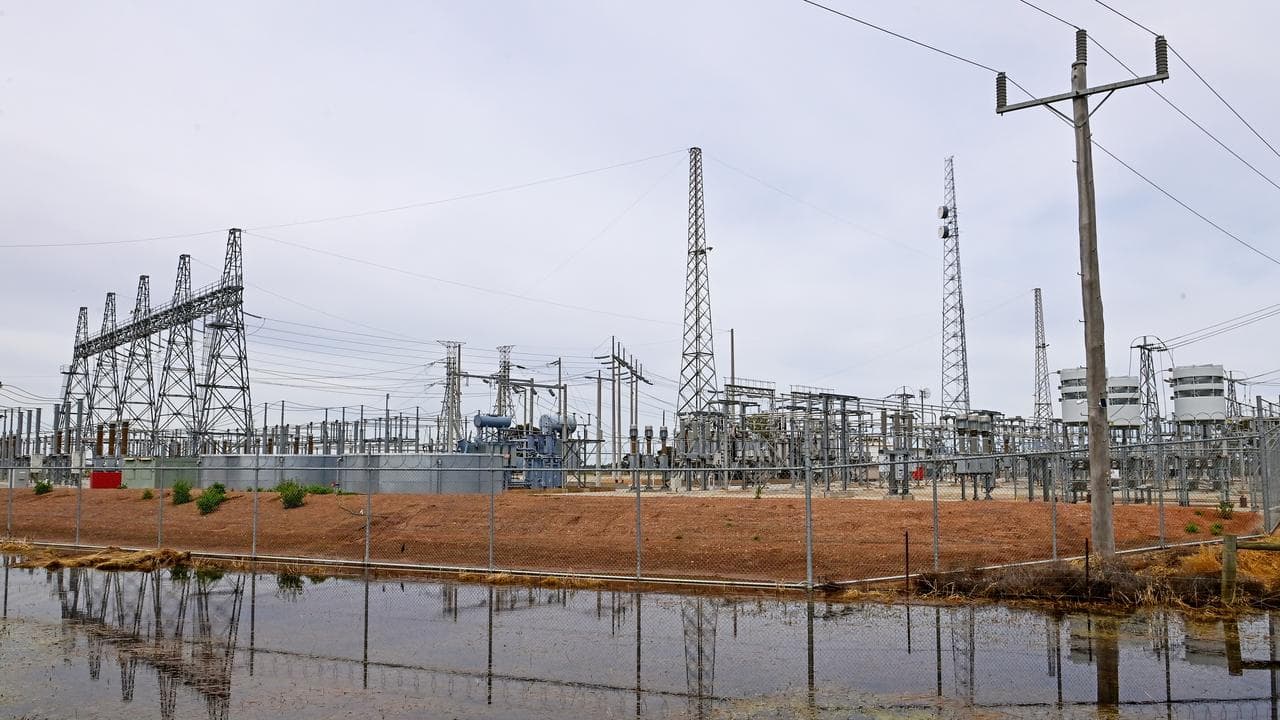
Energy assets were deemed susceptible in northwest Victoria near Ouyen and Mildura, from Melbourne extending east to the Latrobe Valley, and at Portland in the state's southwest.
Health assets were also at risk in Bendigo, Swan Hill, Mildura and southeast Melbourne, maps showed.
The overall risk is slated to climb to more than $71 billion by 2070 under a "high scenario" in which emissions continue to rise consistent with 2.8C to 4.6C of warming by 2100.
Extreme weather events cost the Victorian economy an average of $2.7 billion a year in the 10 years to 2016.
Floods in October 2022 caused extensive damage to Victorian roads and essential services, sparking $3.5 billion in immediate relief and recovery funding.
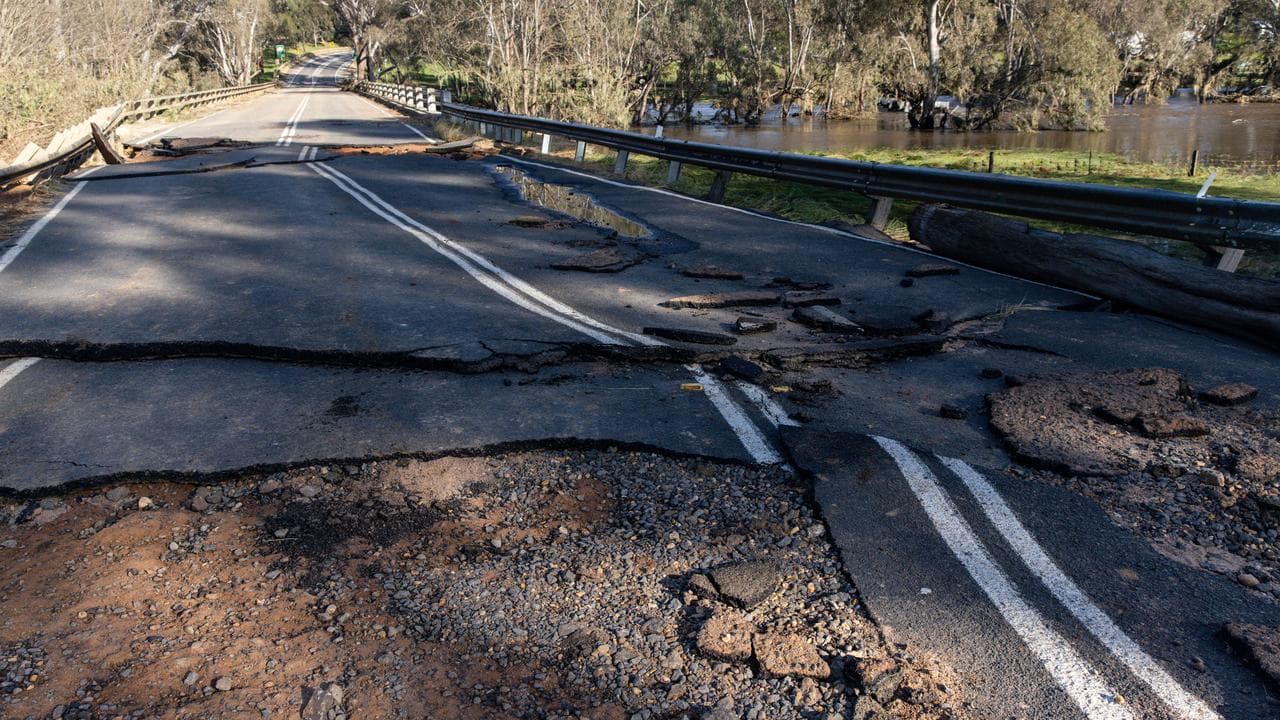
It took more than two years for the Rochester and Elmore District Health Service to reopen, while 70 per cent of Rochester residents were still not able to live in their homes seven months on.
The 2019-20 black summer bushfires were cited as another example, with at least $30 million of damage to park infrastructure and tourists left stranded by the closure of the Princes Highway to Mallacoota.
Infrastructure Victoria is pushing for funding for climate adaptation measures, including foamed bitumen stabilisation, to protect against flooding when plans are updated later in 2026.
It estimates programmed drainage clearing and vegetation management to combat bushfires and bushfire-induced landslides produced a return on investment of more than $5 for every dollar spent.
The state government had already adopted some measures but more needed to be done across every sector, the body's chief executive Jonathan Spear said.
"Following a summer that saw bushfires, flooding and landslides hit many Victorian communities, we know extreme weather is a reality now," Dr Spear said.
"As the government maintains existing infrastructure and builds new infrastructure, our research shows where it needs to focus its efforts so that infrastructure can better cope with our current and future climate."
New Zealand has earmarked $NZ353 million ($A288 million) for early works to protect its transport network, while Canada pledged $CA2 billion ($A2.04 billion) over 10 years to enhance infrastructure project resilience against natural disasters triggered by climate change.