Families of more than 100 people whose remains were secretly kept after autopsies and given to a museum have received a formal apology, as authorities identify five people likely involved in the historic practice.
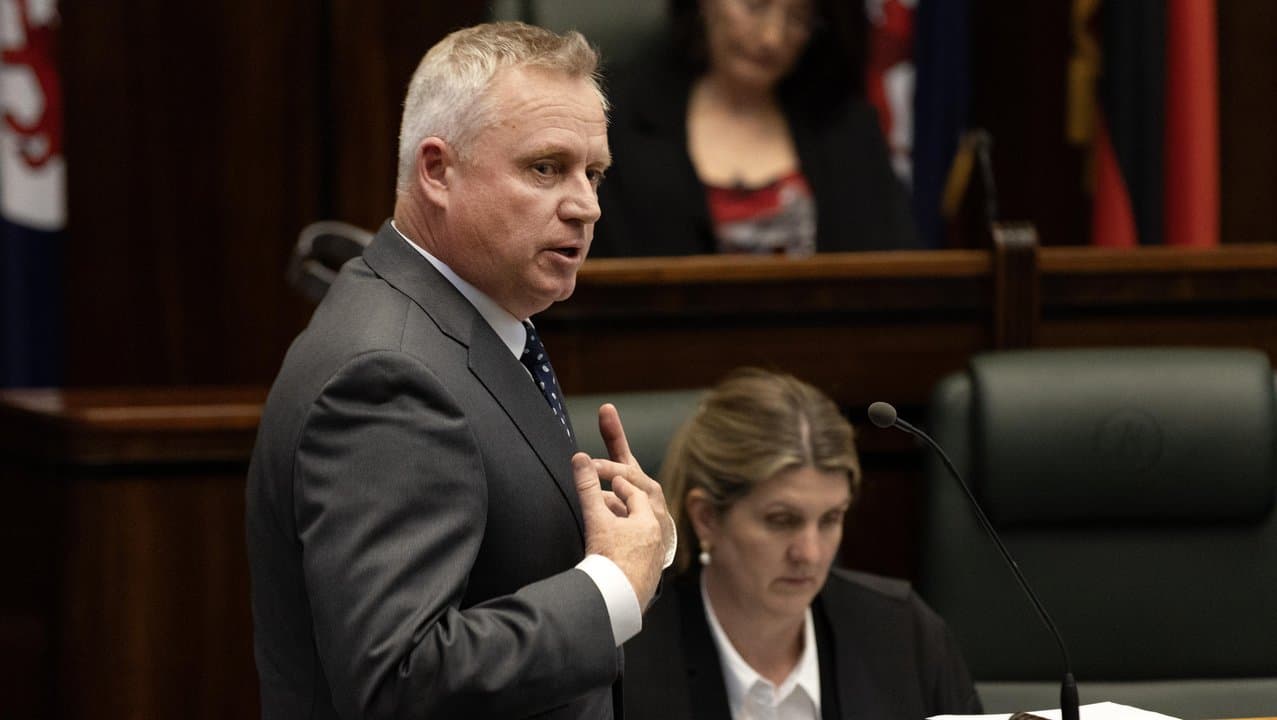
Tasmanian politicians of all stripes contributed apologies after Health Minister Bridget Archer moved a formal motion in the state's parliament on Tuesday.
Premier Jeremy Rockliff said the motion continued a tradition of acknowledging past wrongs and was needed to pay respects to affected families.
"Today we acknowledge the deep hurt of individuals and families who had their loved one's remains stolen, stolen from them and stolen from you," he said.
"That is why this apology is so needed and so important."
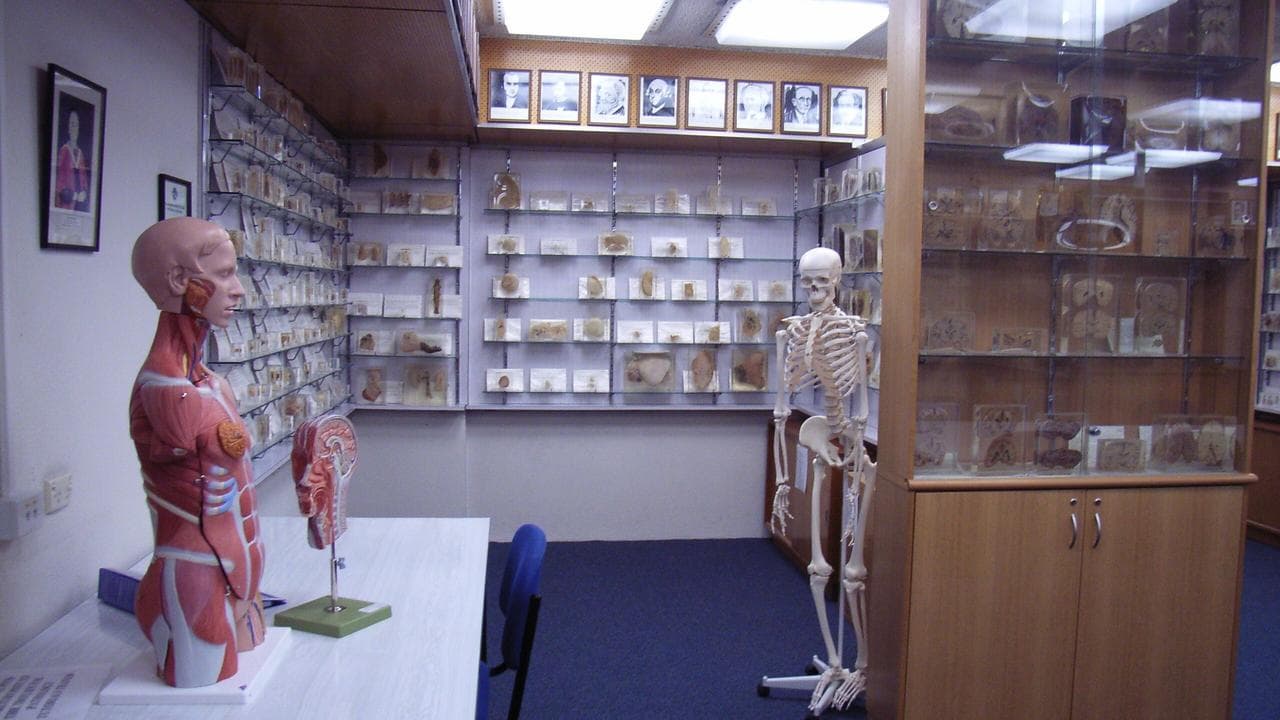
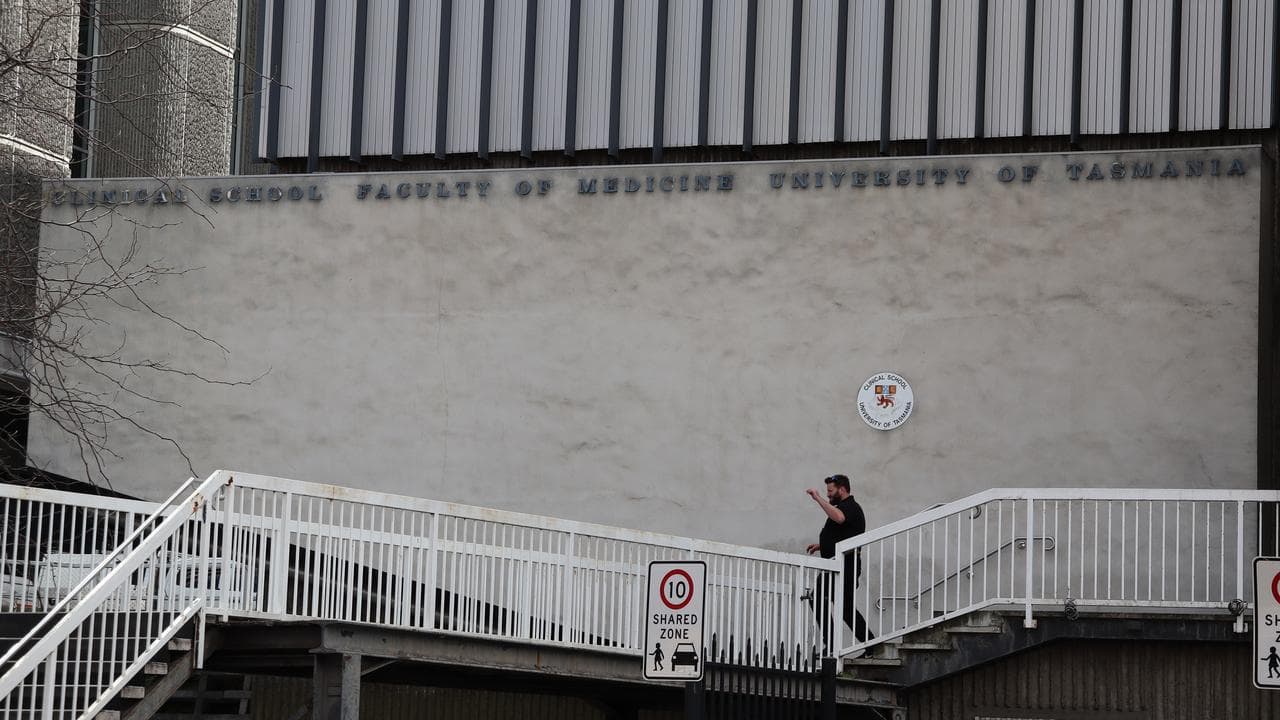
The state coroner in September released the findings of an investigation into 177 human specimens stored at the University of Tasmania's RA Rodda Museum from 1966 to 1991.
The remains, which were stored at the pathology museum for teaching and research purposes, were collected without the knowledge or approval of families or loved ones.
"There was no respect given to those who had parts of their body stolen," Mr Rockliff said.
"There was no dignity in the treatment of their bodies or the treatment of their families."
Ms Archer said recent investigations had fully or partly identified five people likely involved in carrying out the historic, unlawful practice.
This is in addition to now-deceased forensic pathologist Royal Cummings, who was identified in the coronial findings as having provided the majority of the specimens.
Two of the five people had died and none work as pathologists in Tasmania or were employed by the state's health department, Ms Archer said.
Their names, along with the findings of the investigations, have been referred to the Department of Public Prosecutions, she said.
A further four people were likely involved but their identities cannot be ascertained due to inadequate record keeping at the time, she said.
She said the apology was an important step but would not undo past wrongdoing or ongoing harm.
"It's important to remember that these were not just body parts, specimens or human remains - they were people," Ms Archer said.
"They were mothers, fathers, daughters, sons, brothers and sisters who were missed by their loved ones and there is no doubt that the pain of losing them has been exacerbated by what occurred later."
Opposition Leader Josh Willie said the practice represented among the "most profound" failures of public institutions in the state's history.
A coronial probe was launched in 2016 after the museum's curator raised concerns three specimens had been kept without the consent of the coroner or families involved.
The remains in question were removed from public display in 2018, before the coroner's office spent years reconciling records to determine their origin.
Many family members only learned their loved ones had been involved when a list of names of the deceased were published in newspapers in January 2025 at the direction of the coroner.
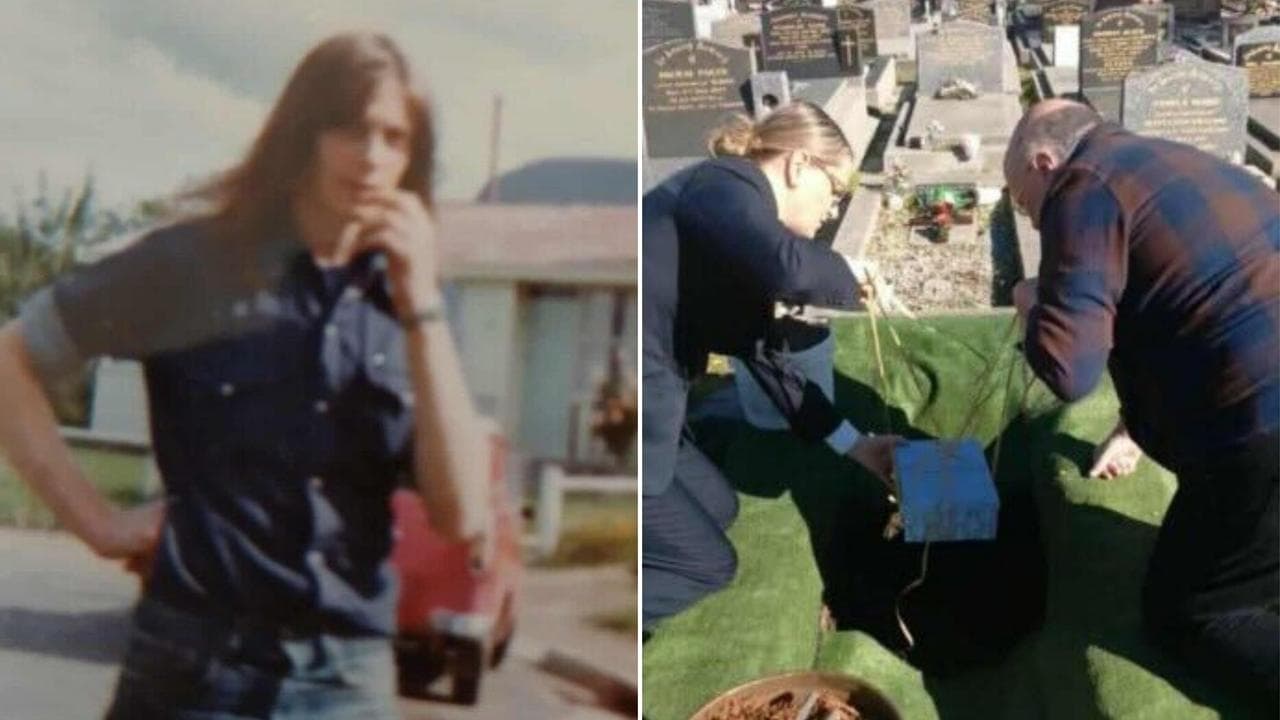
Among them was John Santi, whose brother and best friend Tony died in a motorcycle when he was 19 in 1976.
"We buried him 50 years ago, only to find out 50 years later that these people had stolen his brain," John told AAP.
"I went to my brother's grave site every second week and then to realise he wasn't even all there."
John hopes for accountability for the departments involved, justice for those who stole people's organs and compensation for the trauma they had suffered.
The University of Tasmania has apologised to those affected by the practice and said staff members met with family members during the coroner's investigation.
Tasmania Police was not aware of any formal referral to the Director of Public Prosecutions, a spokesperson said.


