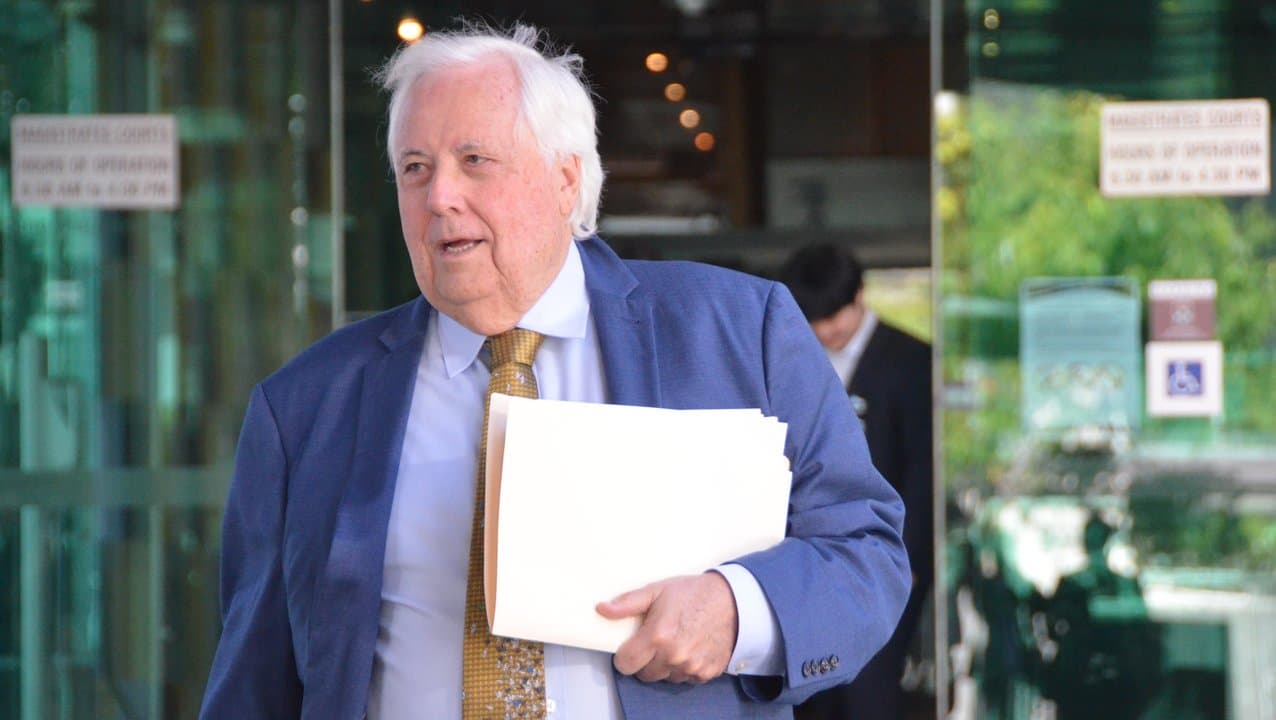
The man who wanted to "wake up Australia" owes the Commonwealth more than $13 million after an international tribunal put his "foreign investor" claim to bed.
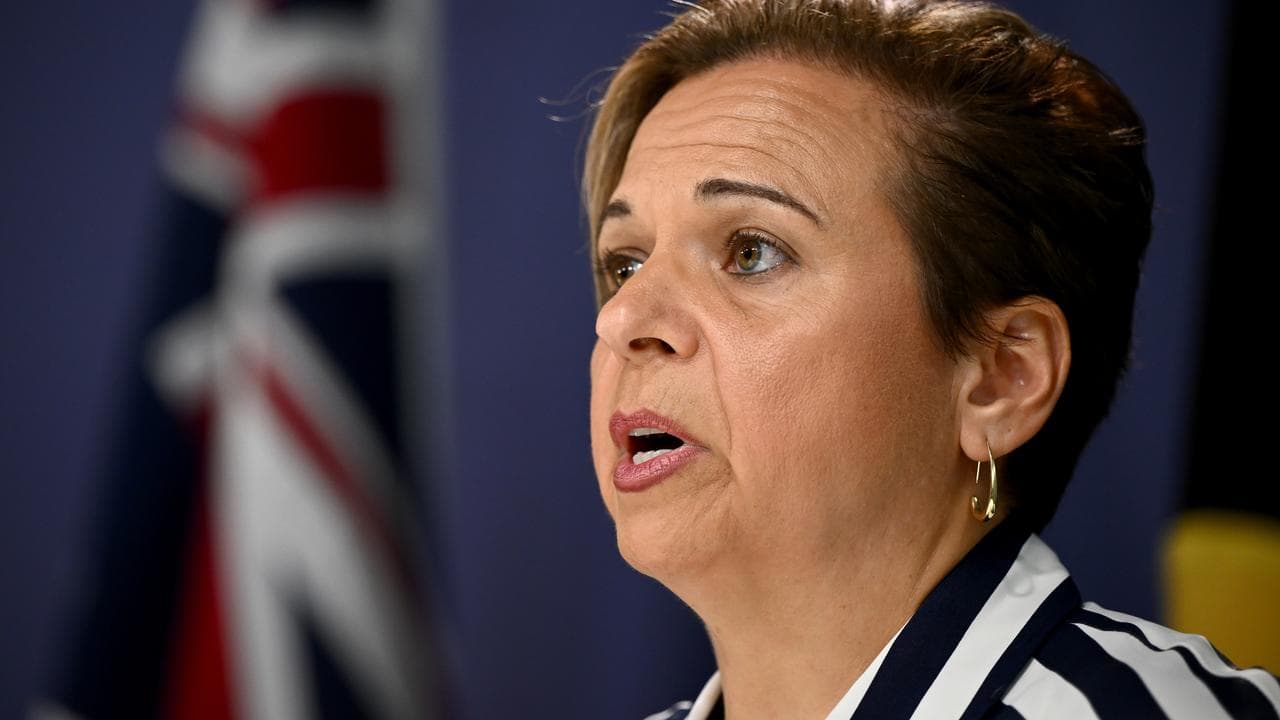
The Permanent Court of Arbitration, established by international treaties, rejected Clive Palmer's claim as it had no jurisdiction over the dispute between a national government and one of its citizens, Attorney-General Michelle Rowland said on Saturday.
"Mr Palmer is not a ‘foreign investor’ and is not entitled to any benefits under Australia’s free trade and investment agreements," she said.
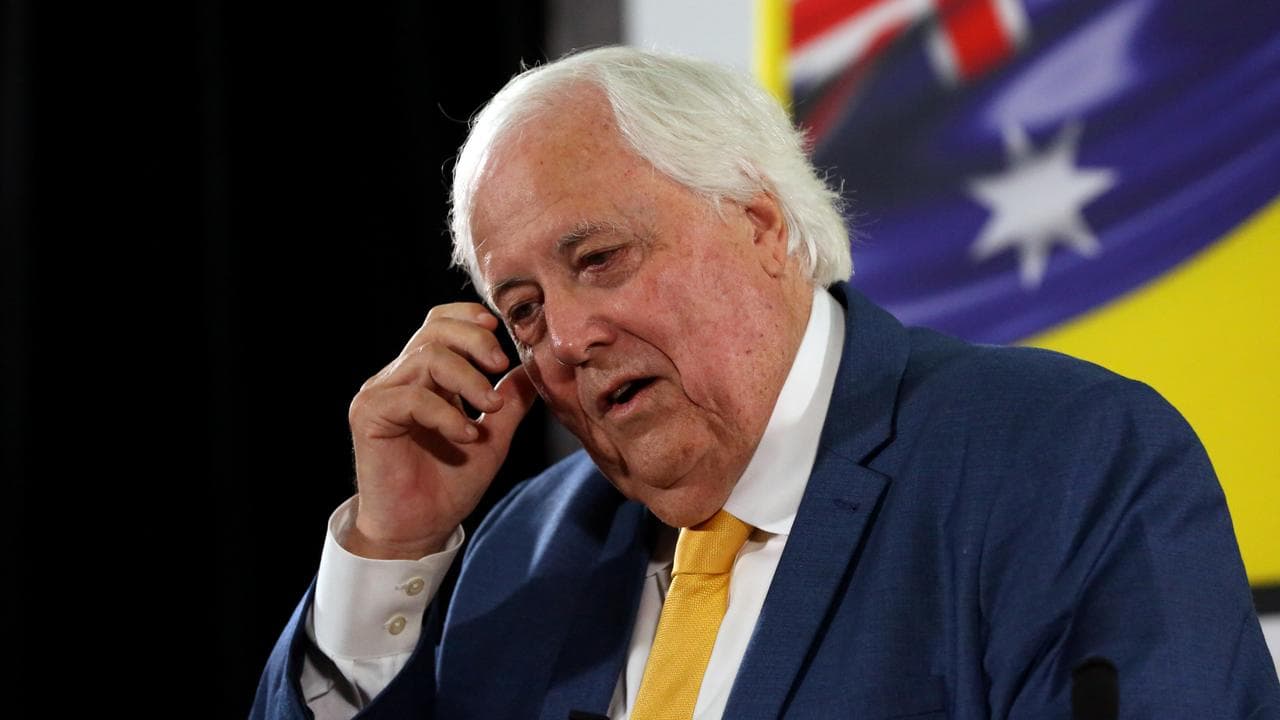
A Singaporean investment company owned by Mr Palmer claimed damages totalling almost $US200 billion ($A305 billion) after a mining proposal in the WA Pilbara region was blocked.
The case against the Commonwealth argued breaches of the ASEAN-Australia-New Zealand Free Trade Agreement.
The WA government came under scrutiny for legislation preventing damages being sought in relation to the dispute in 2020, stemming from an initial rejection in 2012.
Mr Palmer claimed the process of blocking the project was "akin to the actions of a banana republic" in a notice of arbitration to the international tribunal after the High Court rejected the challenge.
The government hoped the tribunal's ruling would prompt Mr Palmer to withdraw other international claims made against the Commonwealth but would continue defending them.
"Australia should never have had to spend two years and over $13 million defending an investor-state claim brought by an Australian national," Ms Rowland said.
The arbitration court operated under a "very unusual system" of treaties between governments that allowed foreign investors to sue the state they invested in, outside of that state's courts, international-state dispute settlement expert Jonathan Bonnitcha told AAP.
"It's a way to basically internationalise a dispute," the UNSW law associate professor said.
The ad-hoc tribunals are comprised of two arbitrators nominated by the claimant and respondent, who then agree on a third.
Mr Palmer's other cases might also end if subsequent tribunals adopt the most recent position, but precedents are not binding under the system.
It was "probably unlikely" Mr Palmer would simply drop the other cases and there was no guarantee future tribunals would follow the most recent decision, Assoc Prof Bonnitcha said.
In addition to being one of Australia's wealthiest citizens, Mr Palmer is also a prominent figure in politics who has chaired multiple parties and represented the Queensland seat of Fairfax in federal parliament.
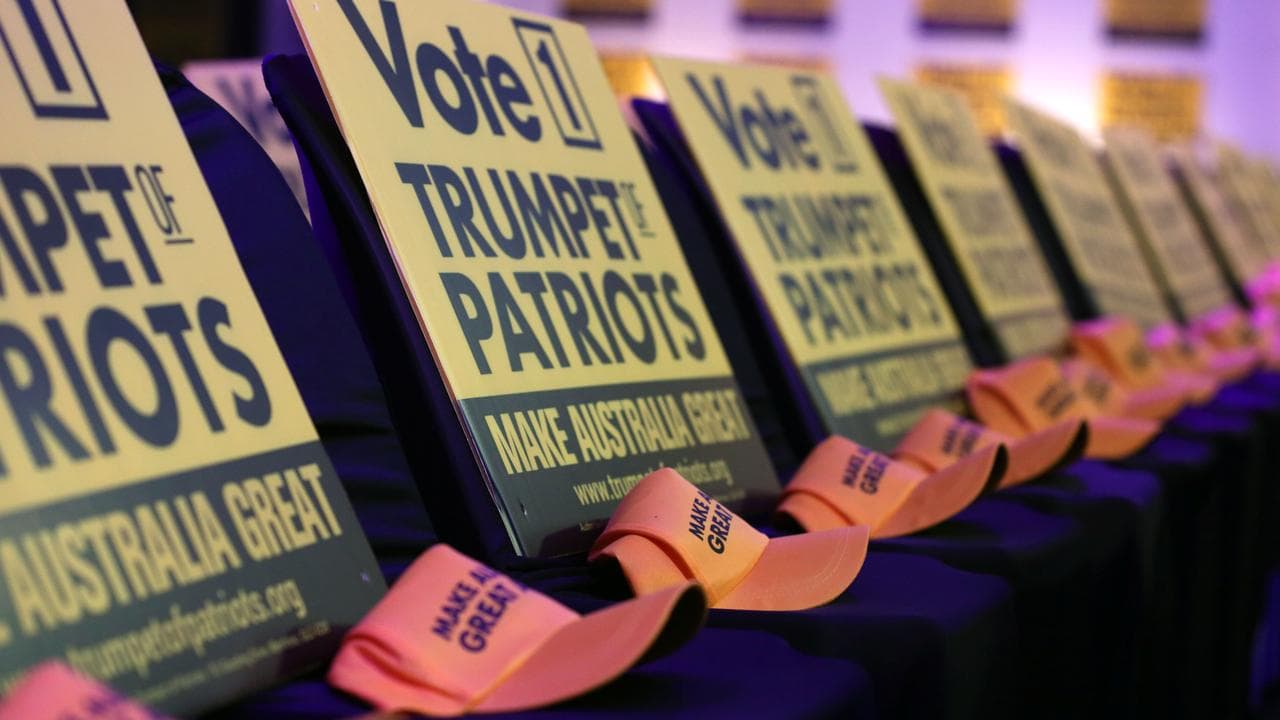
His foreign investor claim jarred with much of his often nationalistic political messaging.
"Those ads don't generally say a lot about suing the Australian government for hundreds of billions of dollars," Assoc Prof Bonnitcha said.
His campaign ahead of the 2025 election under the Trumpet of Patriots banner included a call for Australians to "wake up".
None of the party's candidates were elected.
The tribunal's decision, yet to be made public, ordered Mr Palmer to pay costs of $13.6 million, Ms Rowland said.
Mr Palmer will review the judgment, a spokesman told AAP.
The dispute was subject to a three-day hearing in The Hague on jurisdiction and admissibility in September 2024.


