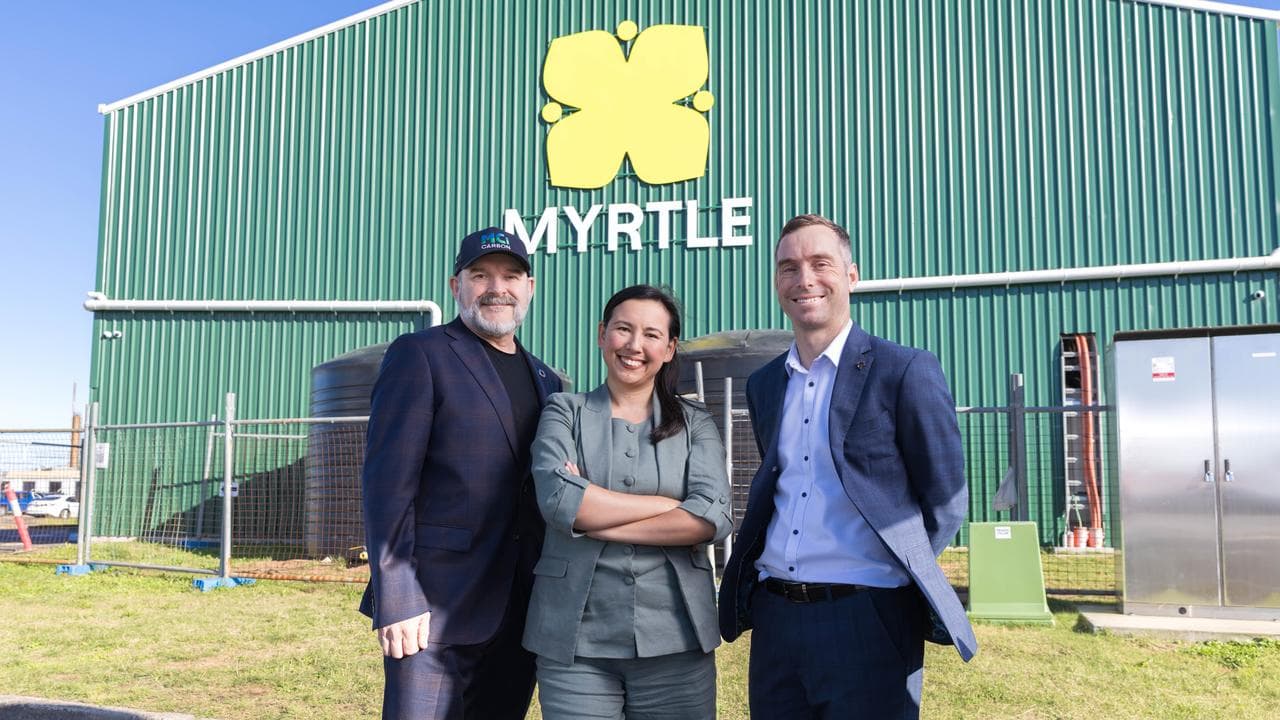
A first-of-its-kind Australian facility will transform greenhouse gases into construction materials such as concrete, glass and paint in an effort to establish a new green industry.
MCi Carbon opened the Myrtle carbon refinery in Newcastle on Wednesday, expanding its base from the University of Newcastle after 15 years developing the technology.
The NSW company will use the facility to demonstrate the commercial potential of carbon-embodied materials, starting with an Austrian firm.
The announcement comes days after a poll showed wide support for a renewable energy export industry in Australia, and after the government announced a target to reduce emissions by up to 70 per cent in 2035.
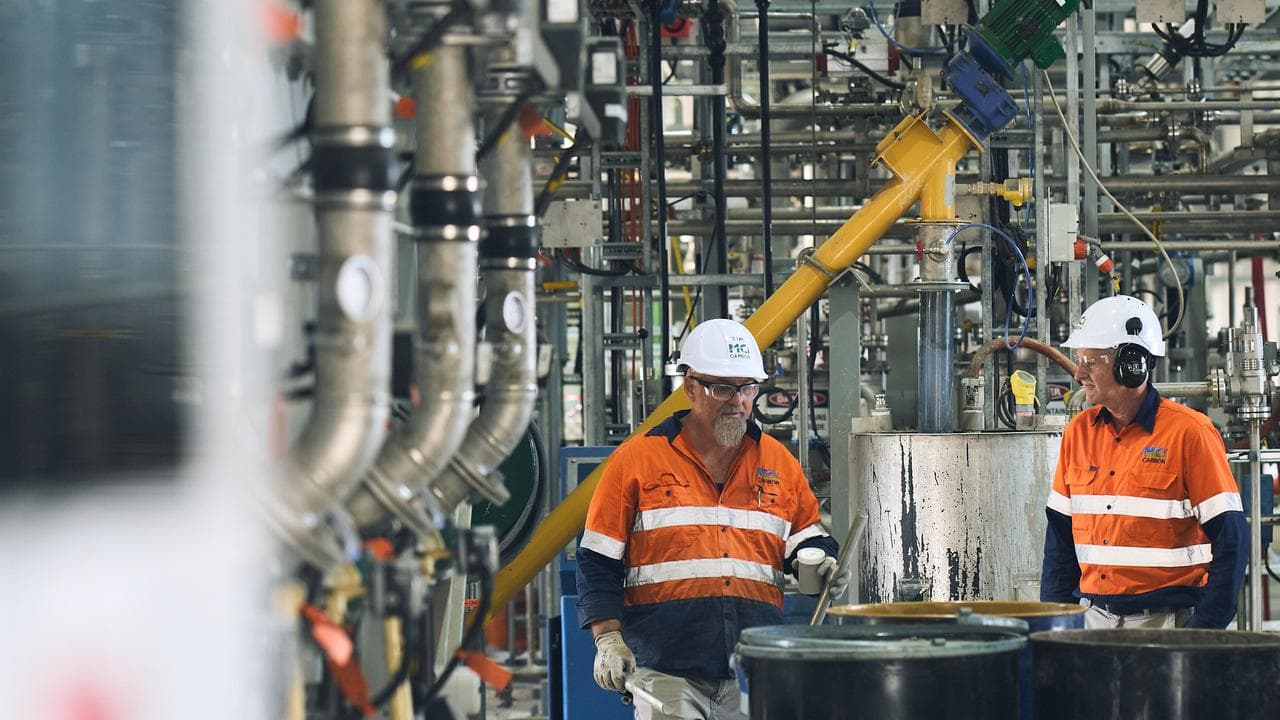
The carbon refinery, located beside Orica’s ammonia plant on Kooragang Island, could transform up to 2500 tonnes of carbon dioxide into 10,000 tonnes of saleable products each year.
Being able to demonstrate the process at an industrial scale would be vital to convince companies to build their own refineries, MCi Carbon chief operating officer Sophia Hamblin Wang said, and turn emissions into profitable materials.
“This is the first signal to the Australian and the global market that hey, carbon-embodied materials are here and they're ready to be bought and to be trialled in large field trials,” she said.
“We’ve been building this technology and scaling it from lab into commercial reality, knowing that the market demand is there.”
The refinery would capture carbon emissions from factories and combine it with minerals to create a solid material, MCi Carbon chief technology officer Mark Rayson said.
That material would be used to make construction products or other useful items that were as good or better than conventional versions, he said.
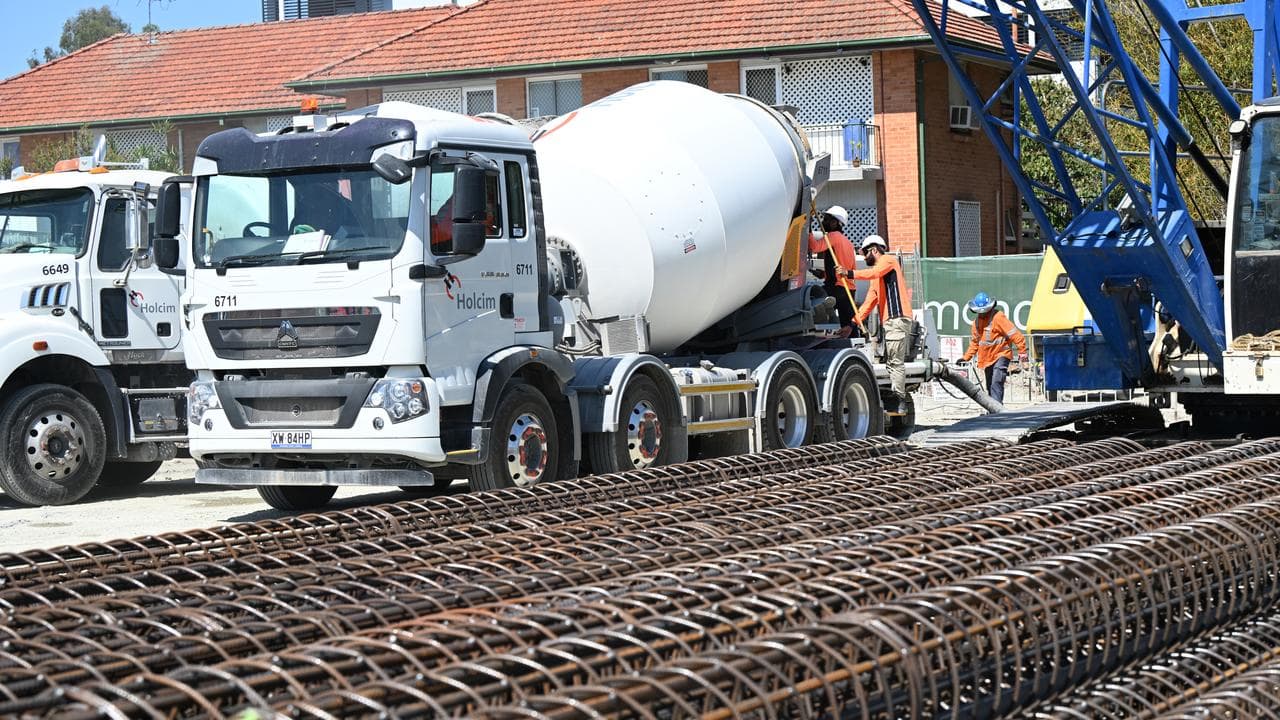
“They can be used in a range of applications — as fillers that go into plastics and polymers, pigments that go into paint, as well as inputs into low-carbon construction materials like cement and concrete,” Dr Rayson told AAP.
“We’re stopping the CO2 from going into the atmosphere but we’re also converting that CO2 into a material that we can sell.”
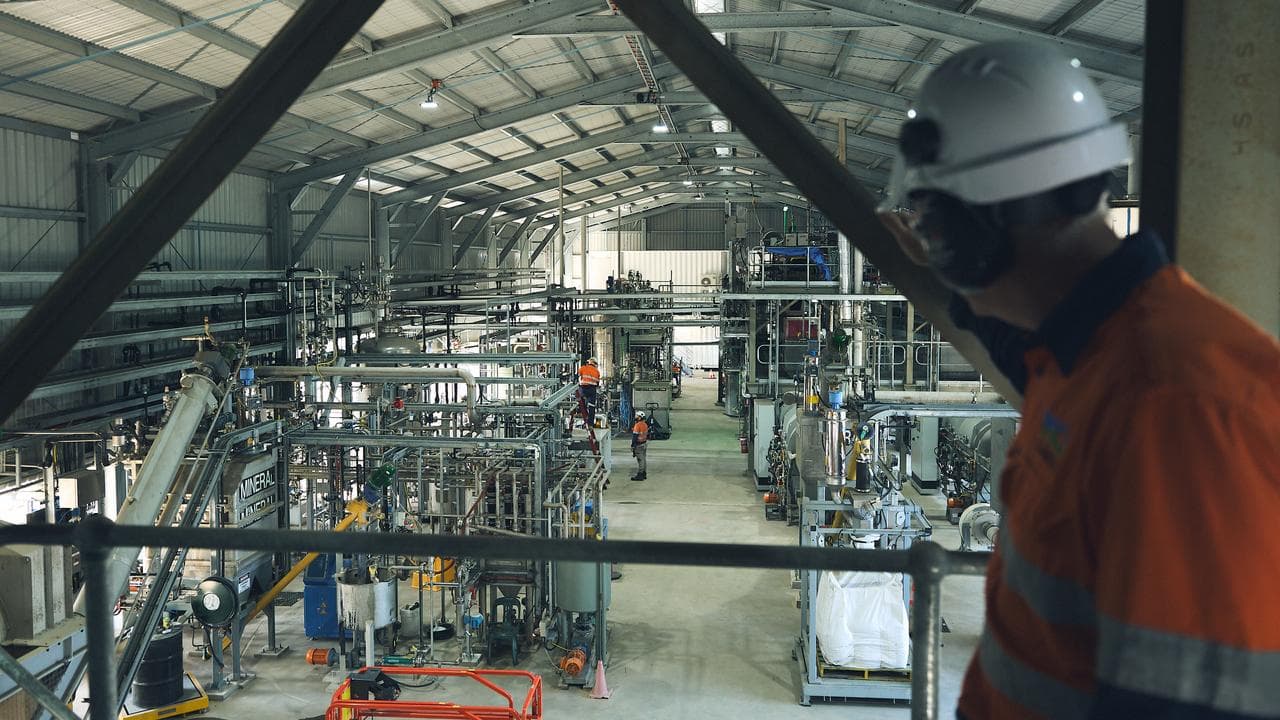
The Newcastle facility would initially test products for Austrian refractory RHI Magnesita and would look for future candidates in heavy-polluting industries.
“We’re really targeting hard-to-abate industries like steel, cement, refractories, chemicals — industries where CO2 is an intimate part of the process for making what they make,” Dr Rayson said.
Energy Minister Chris Bowen, who opened the facility on Wednesday, said the Australian innovation offered a practical way to reduce pollution.
“This demonstration plant is a glimpse of what could become a major new industry for places like Newcastle and the Hunter,” he said.
“This is about cutting emissions, creating new products and building new clean industries, literally brick by brick.”


