
A young woman whose dying wish was to improve eating disorder treatments must have her legacy delivered through a coroner’s recommendations, her father says.
Jennifer Michelle Matters, known as Jenni, weighed 29.5kg when she died aged 24 in Adelaide in June 2021 after a two-year battle with anorexia nervosa.
An inquest heard Ms Matters had written to South Australia's Statewide Eating Disorder Service (SEDS) in the hope her death might help others - "even just one person”.
In her findings on Wednesday, Coroner Naomi Kereru recommended SA Health review the adequacy of the number of SEDS beds.
The coroner also recommended it consider setting up an acute inpatient ward for those needing medical stabilisation, and establish a protocol for patients who presented with eating disorders.
Ms Matters' father said if the coroner's recommendations could spare grief for other families it would be a fitting legacy for his daughter.
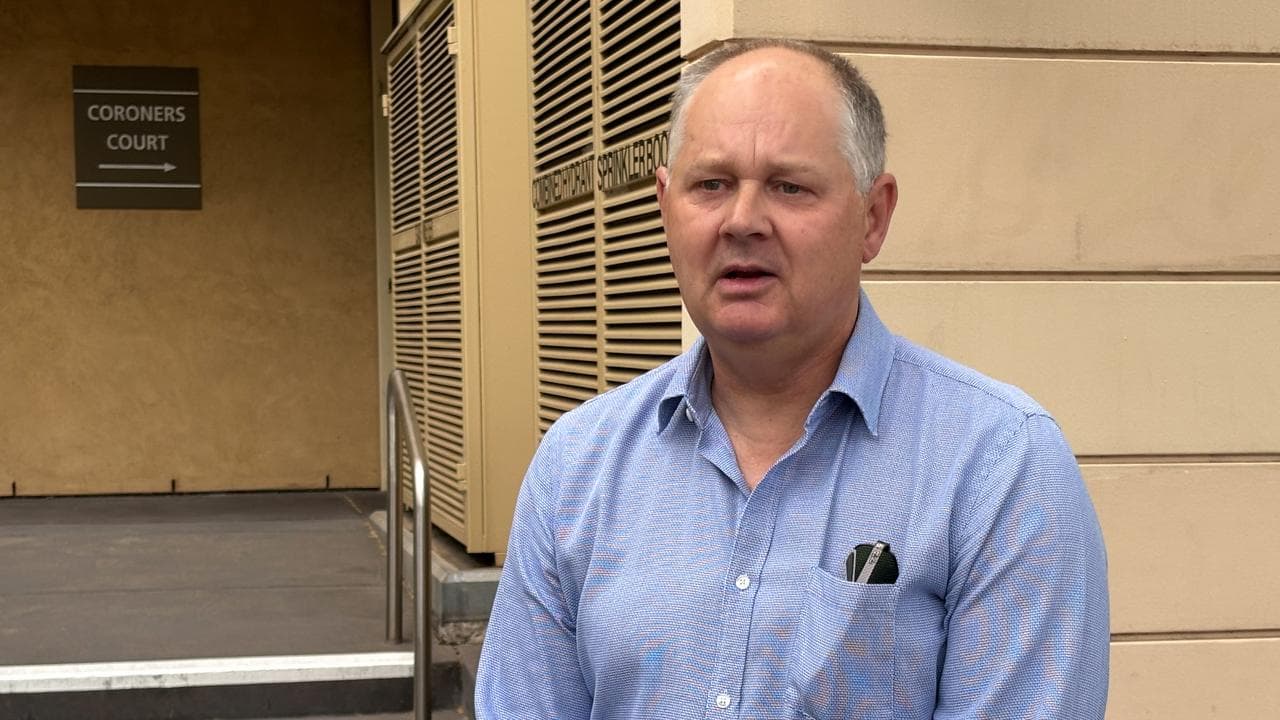
“The state government can spend $150 million on a golf course and Moto GP track - surely they can fund services to improve lives for the patients and families suffering this horrible disease,” Shaun Matters said outside court.
“There were some pivotal moments that would’ve greatly assisted in Jenni's treatment.
"The system is severely difficult to negotiate and partly broken.”
Clinicians were understaffed and overworked, he said.
Ms Matters tried to take her life in May 2021 and died on June 6 that year as a result of her injuries.
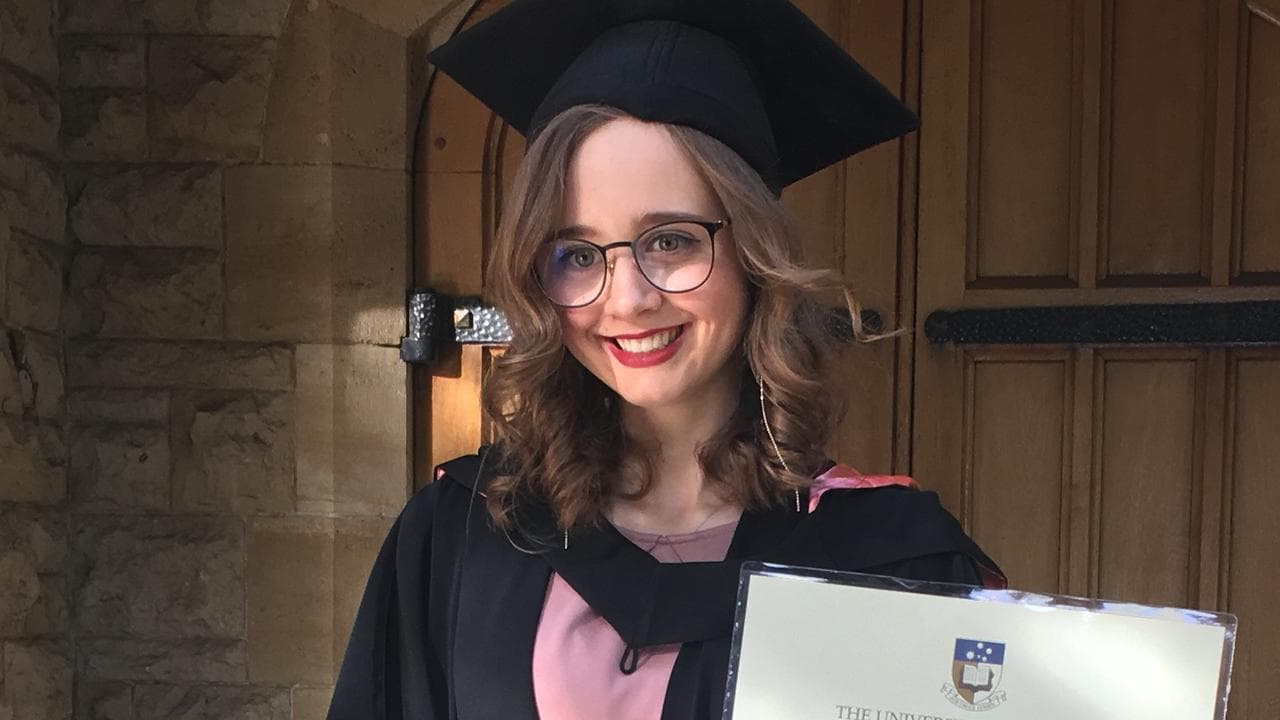
She had been a high-achieving student who had graduated university with a nursing degree and was enrolled to study a Bachelor of Medical Science.
But before she could start her nursing career, anorexia quickly took over her life, the coroner found.
“She encountered barriers to effective treatment which tragically proved insurmountable,” Ms Kereru said.
Mr Matters had told the inquest some nurses didn't understand eating disorders.
"I was there one day, and a nurse (told Jenni) 'oh you're so skinny' ... (another) asked for diet tips,” he said.
Ms Matters had sought treatment for her illness from general practitioners, psychologists, psychiatrists and dieticians, and had multiple hospital admissions.
A SA Health Department submission stated that in 2023 and 2024, Flinders Medical Centre supported 259 inpatients with an eating disorder diagnosis.
But only 71 were treated in a SEDS bed, meaning 188 patients were treated outside of the specialist program.
A planned new facility at the Repat Hospital would bring the number of SEDS beds in SA to about 12.
But SEDS' Randall Long told the inquest he still expected there to be a significant waiting list for inpatient treatment.
Ms Matters had a “very good team”, he said.
“Unfortunately, I see Jenni as having succumbed to a severe and complex mental illness ... I think it's tragic and regrettable," Dr Long said.
Ms Kereru found the only chance of preventing her death was through a service providing acute inpatient eating disorder treatments for patients with dangerously low body mass index, which she had included in her recommendations.
Comment has been sought from SA Health.
Lifeline 13 11 14
Butterfly Foundation 1800 334 673


