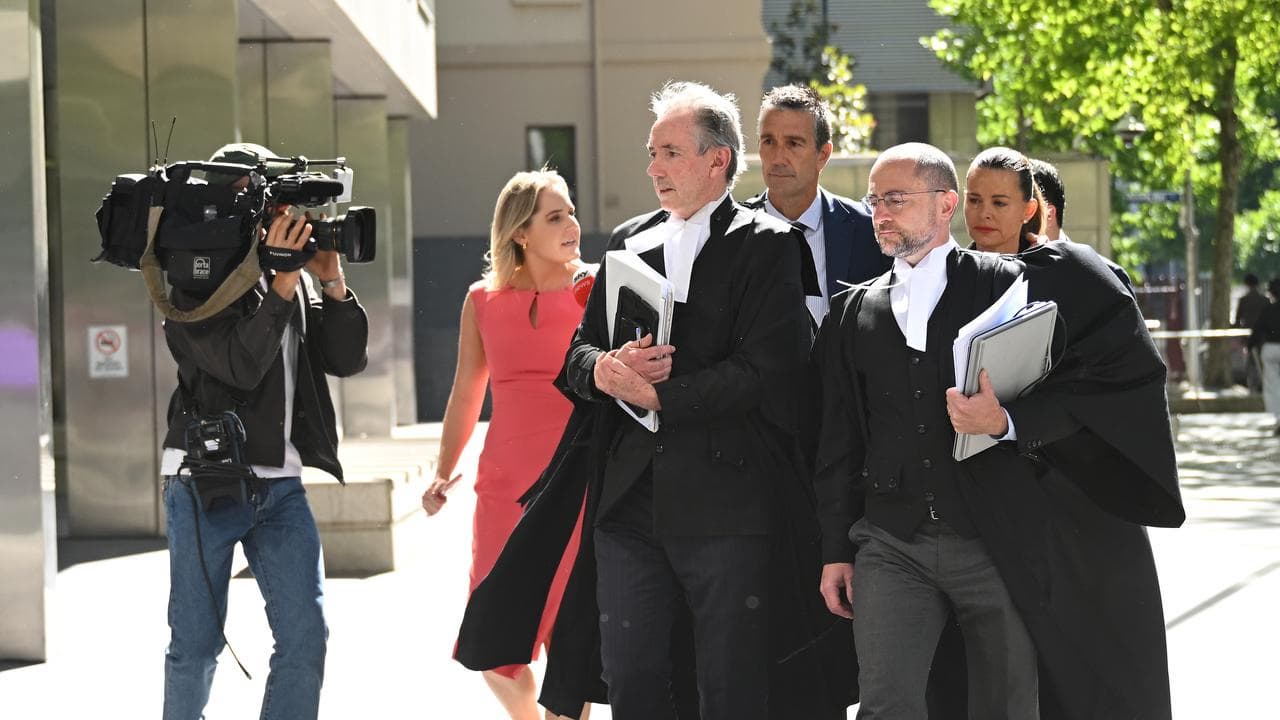
Suppression orders are being issued far too frequently in one state on mental health safety grounds, says a legal expert pushing for urgent reform.
The criticism comes after convicted rapist Tom Silvagni was publicly named for the first time on Thursday, following the lifting of a suppression order that had been in place for 18 months.
Silvagni's unmasking has led experts and academics to question whether a legal loophole is protecting criminals instead of victims.
Justin Quill, a partner at law firm Thomson Geer, was tasked with challenging the suppression order in a process made more difficult by changes to the Open Courts Act passed in 2013.
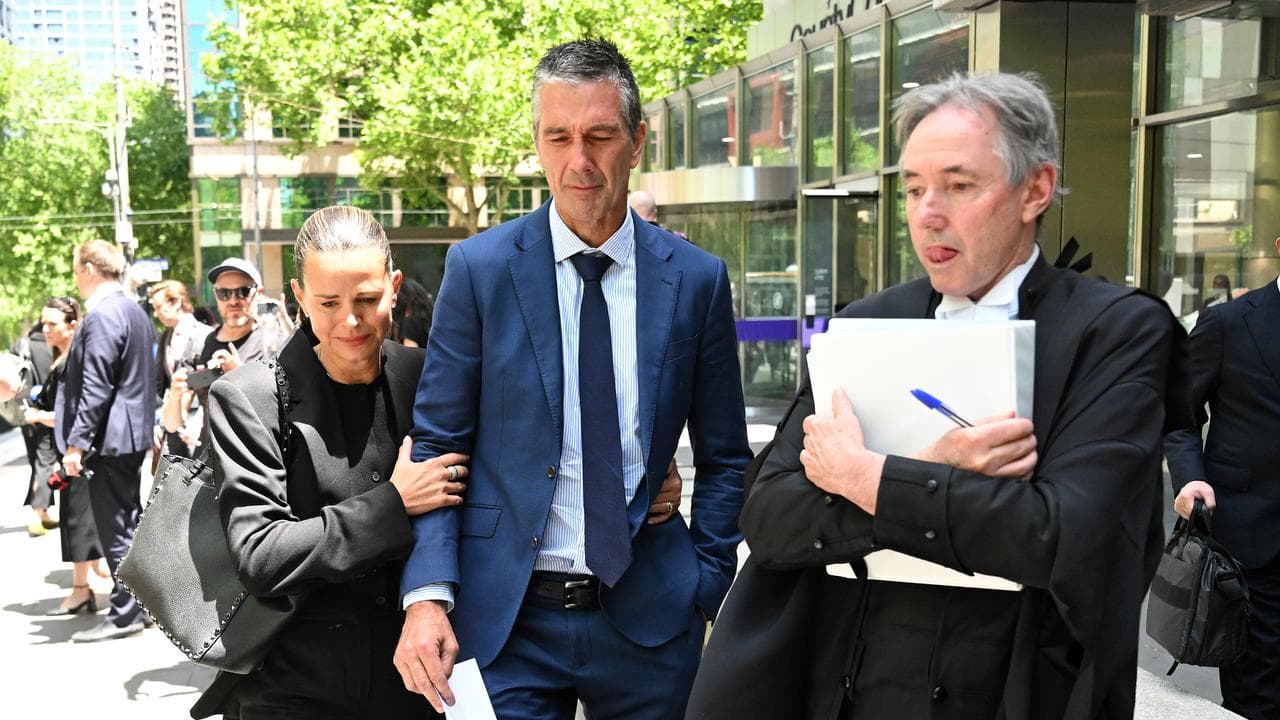
Those changes broadened the grounds for obtaining a suppression order, with wording changed from protecting a person’s “physical safety” to simply protecting their “safety".
"It is now common in Victoria for people to argue mental health as a reason for needing a suppression order, and that involves them getting a psychiatrist's report," Mr Quill told AAP.
When obtaining the initial suppression order, Silvagni's lawyers had argued any media coverage would lead to the deterioration of his mental health.
Tom Silvagni was found guilty of two counts of rape on December 5, with a jury finding he assaulted a woman at his parents' Melbourne home in January 2024.
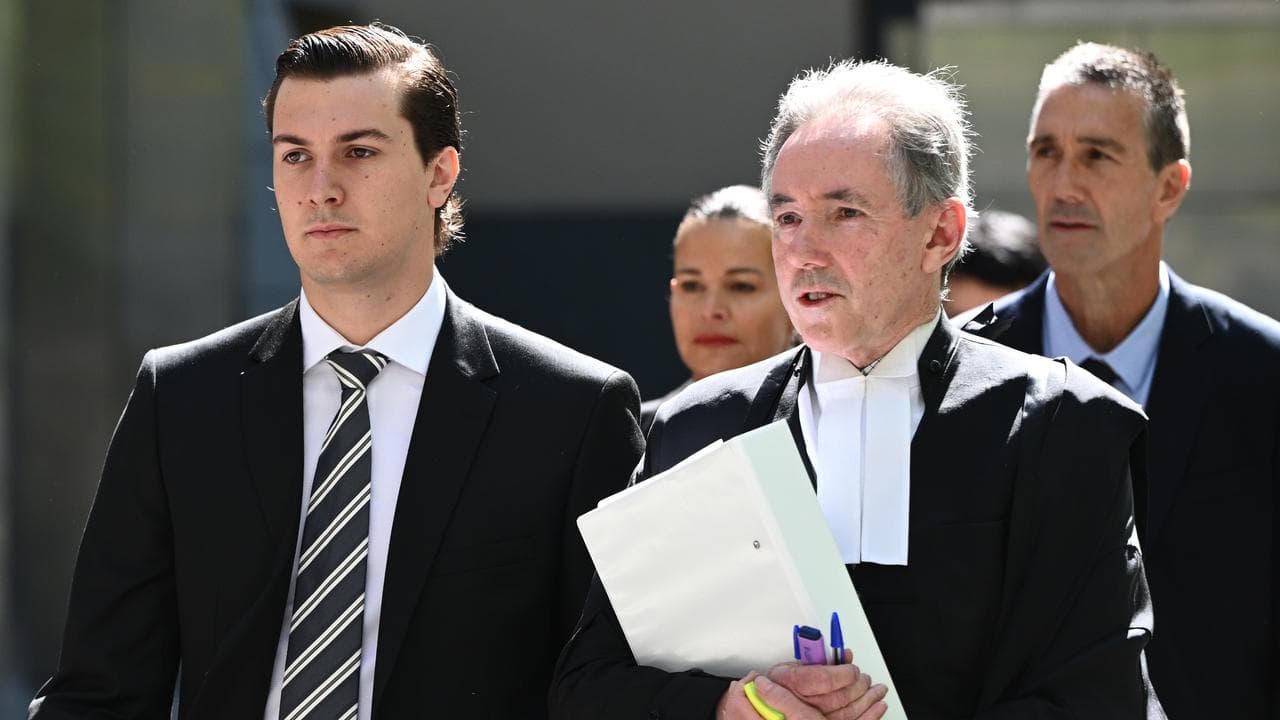
"The media can't properly challenge that because the defendant never gives evidence about what's in the psychiatrist's report, and the psychiatrist's job is not to cross-examine their patient when they come in," Mr Quill said.
"This means effectively nobody tests the information being given by the defendant to the psychiatrist. That's the problem in this case and in many before Victorian courts."
University of Melbourne Law School associate professor Jason Bosland backed Quill's claims, adding it's becoming increasingly common for orders to be made on mental health safety claims.
"It seems that criminal defence lawyers have cottoned on to this idea that you can run that argument and we are seeing more cases come through," he told AAP.
Prof Boslan said this doesn’t apply to all high-profile people, but it does tend to benefit those who have the financial means to obtain mental health reports, hire counsel and argue for a suppression order.
He said the suppression order in the Silvagni case was unjustified and should not have been made.
"One of the consequences it has had is silencing the victims who want to tell their story," Prof Boslan said.

The suppression system needs urgent reform, which could begin by changing the "safety" ground in the Open Courts Act back to being "physical safety", Mr Quill added.
"That's an easy change," he said.
He also believes judges should pay more respect to the principle of open justice, and that the number of applications made by barristers should be reduced.
"It's become almost the done thing, as soon as barristers start putting applications forward, it puts judges in a tough position and the more applications are made to judges, the more suppression orders will be made."
1800 RESPECT (1800 737 732)
National Sexual Abuse and Redress Support Service 1800 211 028


