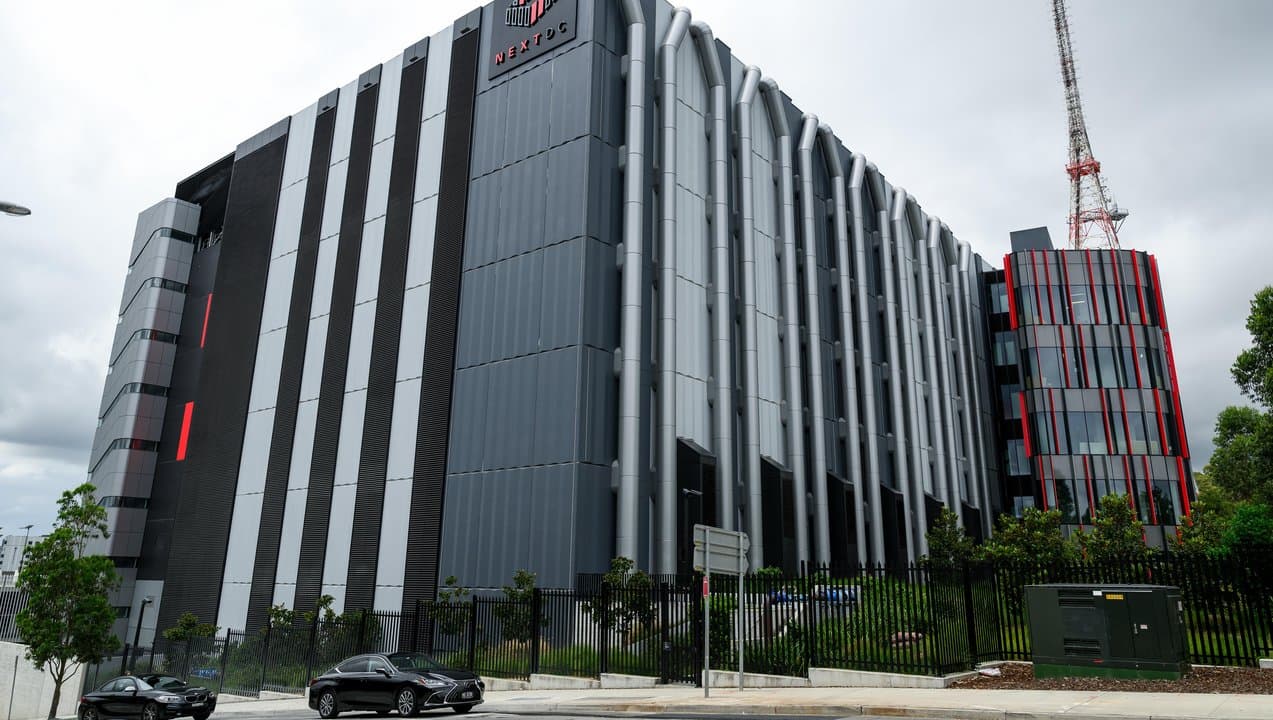
Data centre builders accessing one state's fast-tracked planning regime will help fund public water and energy reserves as part of reforms climate advocates want nationwide.
Announcing the plan on Monday, the NSW government spruiked clear rules on energy, water and environmental standards, community consultation and infrastructure contributions for projects seeking State Significant Development assessment.
The state's independent pricing regulator would review how much data centres were charged for water under the framework, while the AI Office would continue to look at public investment to support artificial intelligence.

More than 60 data centres operate or are being built in NSW amid mounting concerns about the facilities, especially in Sydney where the large, windowless and energy-intensive buildings are close to homes.
Treasurer Daniel Mookhey said the policy was nation-leading and would ensure responsible investment.
"NSW is always going to be a premium destination for data centre construction, which means we are entitled to ask builders to deliver a community benefit," he told reporters.
"Data centres need to pay their own way. They need to bring additional power and additional water to offset their demand, but also to pick up some of the slack that otherwise would fall to households."
The treasurer expected data centres to fully offset their power and water needs after four years of operation, before adding extra capacity to water and power reserves.

Some 19 projects worth about $50 billion are in the state's significant pipeline - an accelerated process for large builds determined by the planning minister or Independent Planning Commission, instead of councils.
The guidelines would be reviewed in 12 months, Mr Mookhey said.
The Climate Council, an independent climate action group, said the guidelines sent the right signal to help protect households from rising power bills and the climate pollution a poorly managed data boom could cause.
“All states and territories should get on board with similar rules under the proposed national guidelines," the council's senior advisor Ben McLeod said.
"Governments must set the bar higher, and require data centres to be powered by new wind, solar and storage, otherwise Australians will pay the price of higher power bills and more climate pollution."
Under the NSW proposal, household water supply will be protected during drought by requiring data centres to use recycled water.
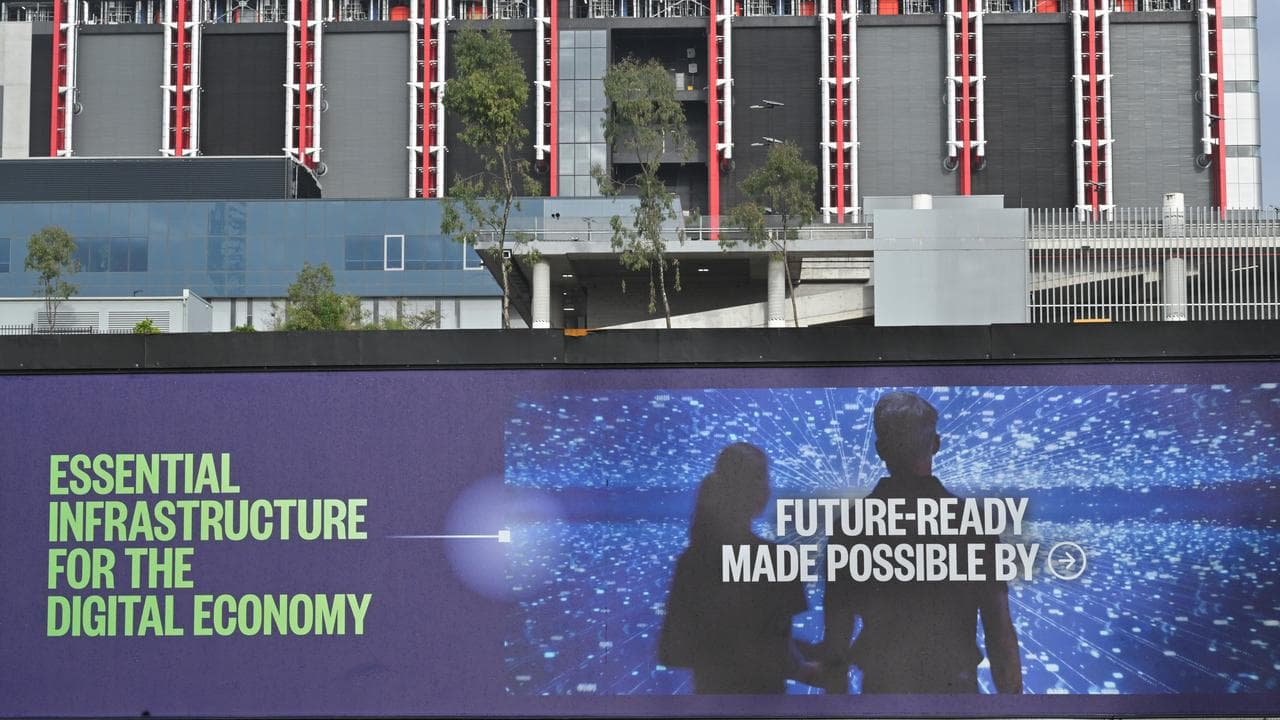
Energy Minister Penny Sharpe said data centres could potentially account for 11 per cent of state energy usage by 2030, which would require operators to have high renewable energy standards.
But state Liberal MP James Griffin said the government was lagging.
"With more than 60 data centres already operating or being built and $50 billion in the pipeline, this framework is far too long overdue," Mr Griffin said.
In July, all states except Queensland and the Northern Territory agreed to pursue regulations mandating data centres offset electricity demand by investing in additional renewable generation.
In March, Prime Minister Anthony Albanese said a set of expectations was needed for the fast-growing data centre industry under a national regulatory framework.
ehan


