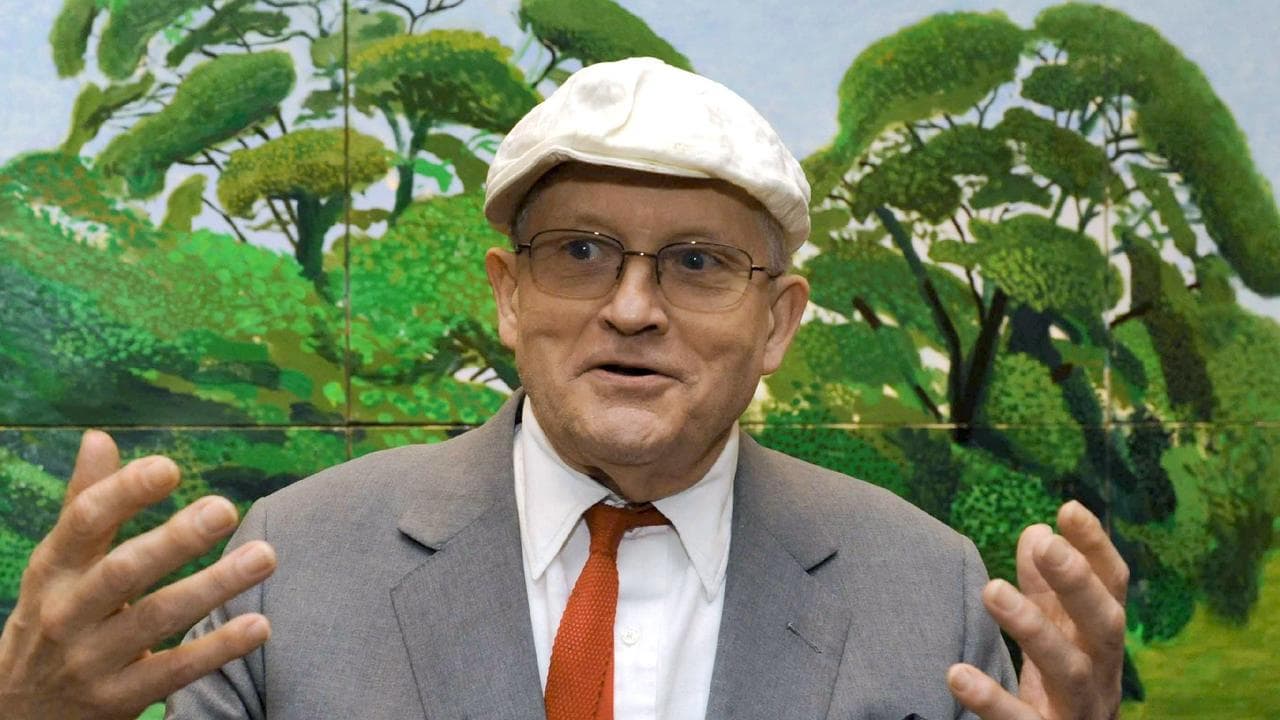
Artist David Hockney, whose paintings of pools shimmering in the Los Angeles sunshine became icons of 20th-century art, has died at age 88.
Hockney was born in the north of England but lived much of his life in southern California, making its sun-drenched suburban views a major motif.
Later in life he returned to Europe, finding renewed inspiration in the wooded hills of his native county of Yorkshire and the fields and trees of France’s Normandy region.
He became one of the UK’s most treasured artists, his works selling for record prices at auction.
Historian Simon Schama said “the popularity and durability of David Hockney’s art, through all his shape-shifts and restlessly inventive experiments, are really no mystery”.
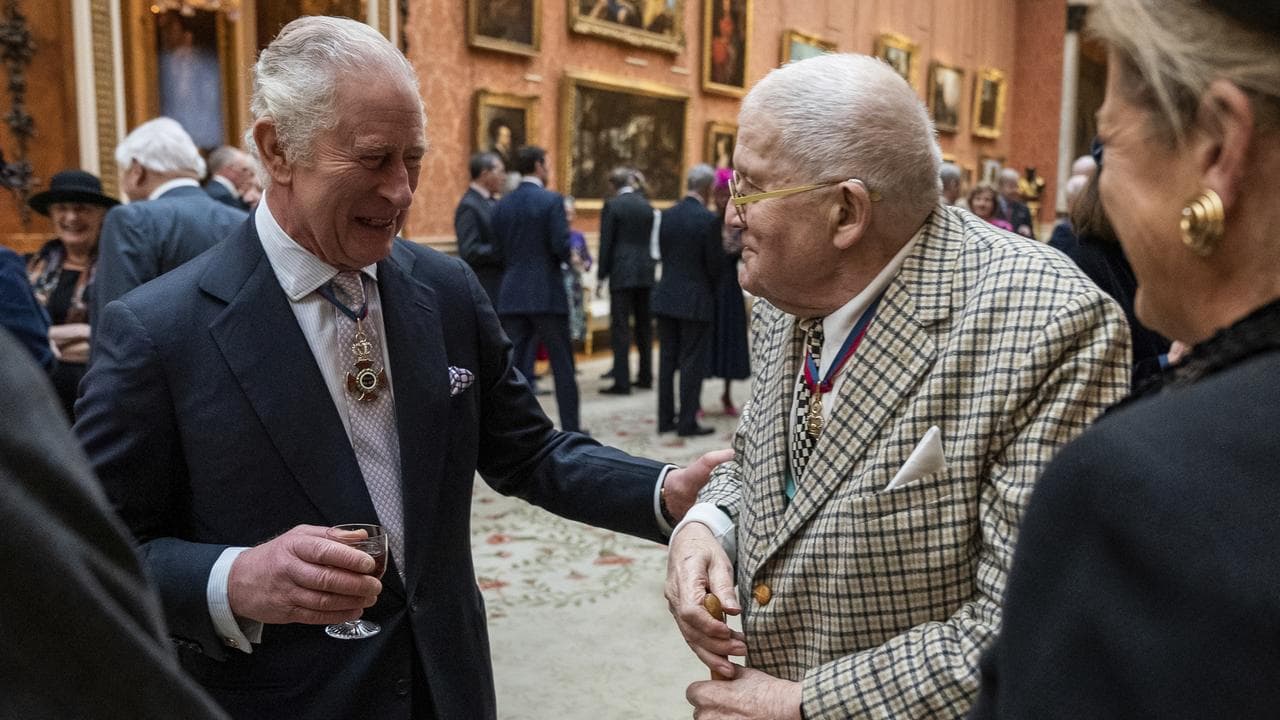
“His work is admired - loved is not too strong a word - by the millions who, worldwide, flock to see it because it presupposes an expectation of pleasure,” Schama wrote in an essay accompanying a 2025 Hockney exhibition in Paris.
Hockney’s publicist, Erica Bolton, says he died on Thursday, a few weeks short of his 89th birthday.
With his trademark round glasses and bleached-blond hair, Hockney was a well-known figure in the swinging British and American art scenes of the 1960s, even before he reached the age of 30.
His paintings were just as distinctive, many of them creating a dreamlike world of patterned light bouncing off water and windows, and human forms rendered in flattened, simplified shapes in matte acrylic paint.
“I’m excited every day,” he told the Los Angeles Times in 1979.
“London has lots of dreary parts but I never find anything dreary in Los Angeles.”
Hockney was born July 9, 1937, in Bradford, a large industrial city whose chief export was woollen textiles.
He spent his first two decades there before going to London’s Royal College of Art.
He made an impact even before his graduation, and art dealer John Kasmin took him into his stable of artists in 1961.


