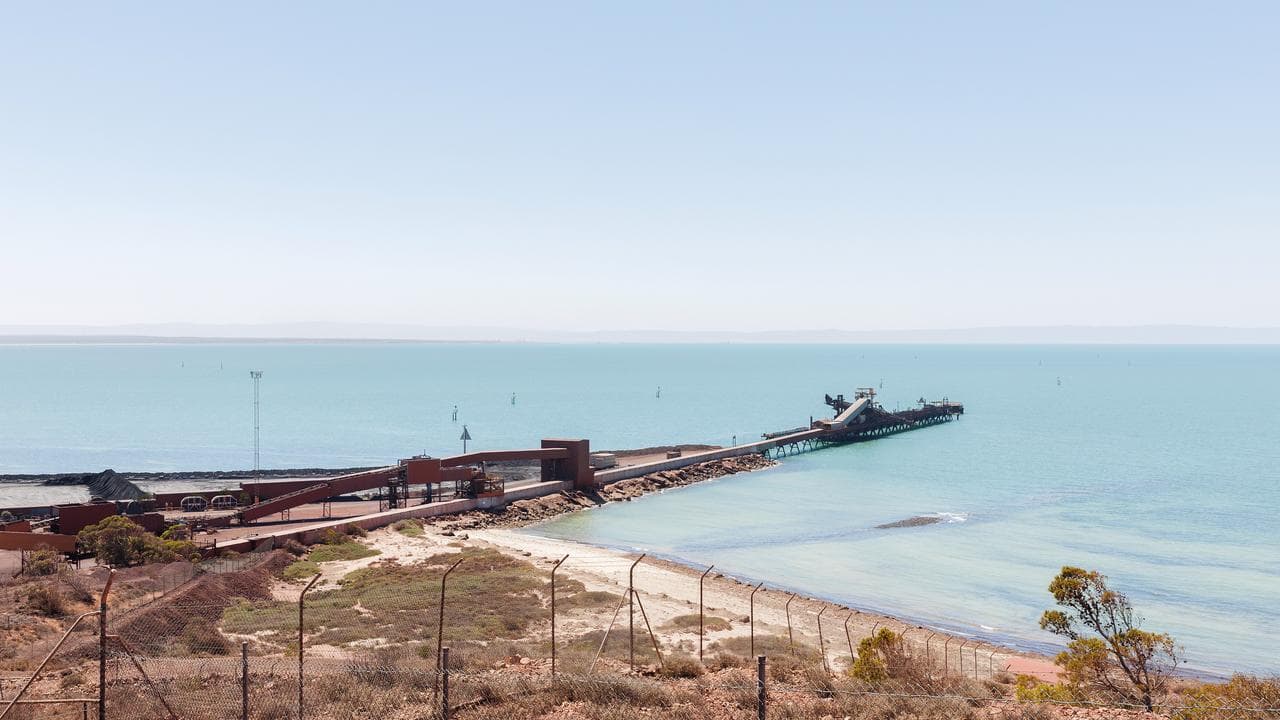
A proposed $5 billion seawater treatment plant for major copper and gold mines would see native vegetation temporarily cleared but deliver "significant” environmental and economic benefits, a new assessment found.
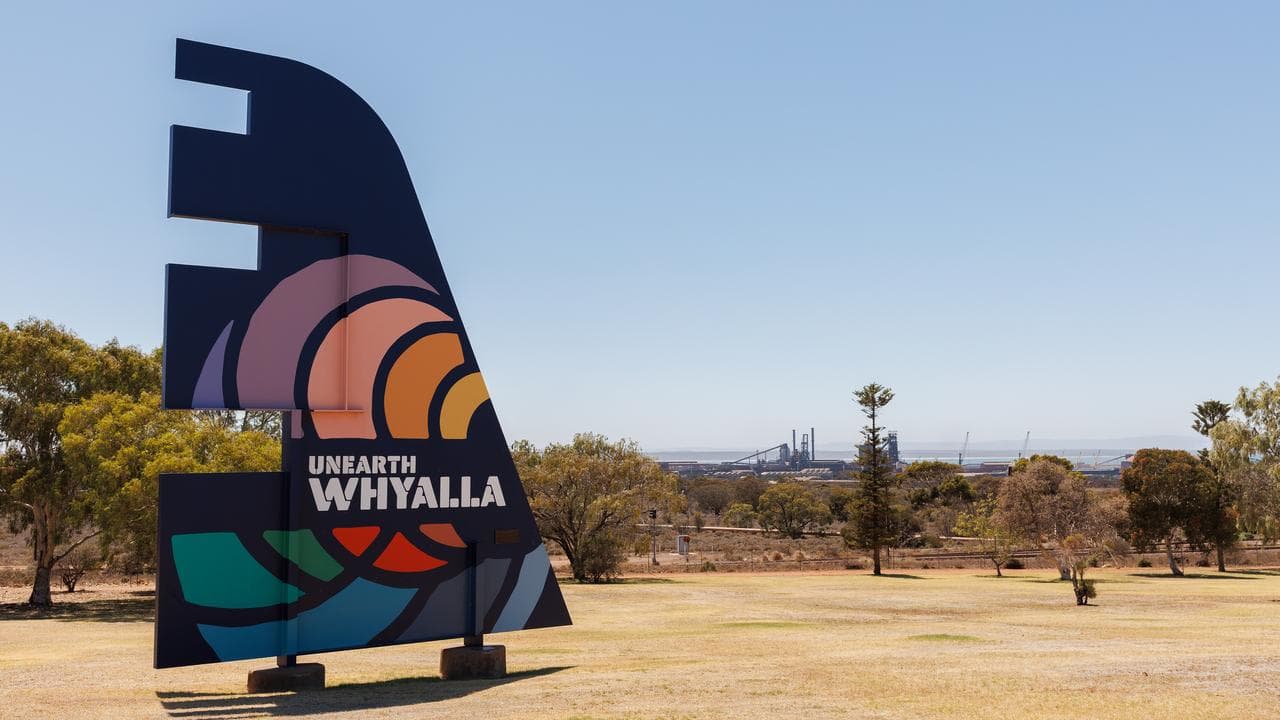
The Northern Water desalination project earmarked for a sheep station near the Eyre Peninsula city of Whyalla opened for consultation with modelling suggesting it will generate billions of dollars of revenue for the state government.
The plant is designed to produce up to 51 GL of water a year for BHP's expanded mining operations at Olympic Dam and Carrapateena copper-gold mines and is expected to generate 2000 jobs during construction.
An environmental Impact Statement released on Thursday estimated the plant would generate the equivalent of $3.3 billion annually to the state government.
Around 1,992 hectares of native vegetation will be cleared during the construction of the 406 km pipeline but the statement notes the impact will be offset by achieving "significant environmental benefit".
"The majority of this is temporary and represents a very small proportion of native vegetation in the region," the EIS stated.
The plant hopes to generate "climate resilient" water replacing the need to draw reserves from Adelaide's desalination plant, underground aquifers or from the Murray River.
The heritage listed Cuttlefish Coast Sanctuary Zone is located 34 km north-east of the plant's outfall which will release discharge back into the Spencer Gulf from beneath the seabed.
"During operation, potential return water impacts are expected to be localised to the immediate vicinity around the diffuser, and predominantly over sandy habitats," the report said.
Although five per cent of species would not be protected from impacts associated with the return of water beyond 370 metres of the diffusers.
The project came at a time when communities in the Upper Spencer Gulf and Far North were looking for certainty and employment opportunities, South Australia's Energy and Mining Minister Tom Koutsantonis said.
About 250 people have reportedly accepted redundancies in Whyalla in recent weeks after more than 500 jobs were lost following the decision to permanently close the steelworks' ageing blast furnace.
BHP confirmed up to 170 of those workers had been fielded by the company to work at Olympic Dam.
"While modelling outlined in the EIS forecasts billions of dollars in additional economic activity and thousands of jobs supported across the state, protecting the environment is also a vital part of this project," Mr Koutsantonis said.
"Projects like Northern Water have the potential to drive investment, support regional industries, and create long-term employment opportunities."
The public consultation period will close on December 11.


