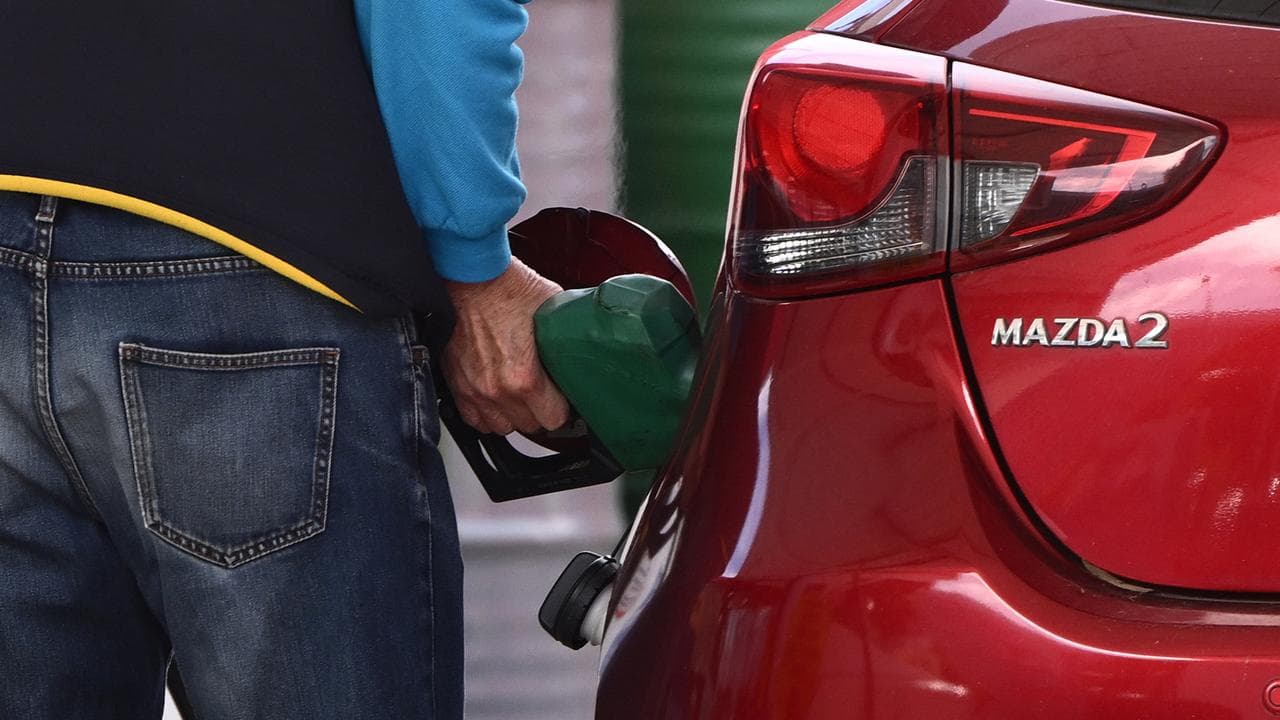
Australia should be less reliant on fuel from Asian neighbours and instead restore manufacturing from domestic oil supplies, Pauline Hanson says.
In a speech to the National Press Club on Wednesday, the One Nation leader said it was a shame Australia had to use fuel and fertiliser from Muslim-majority countries such as Indonesia following the Middle East crisis.
She said the lack of refineries in Australia had exacerbated the downturn in domestic manufacturing.
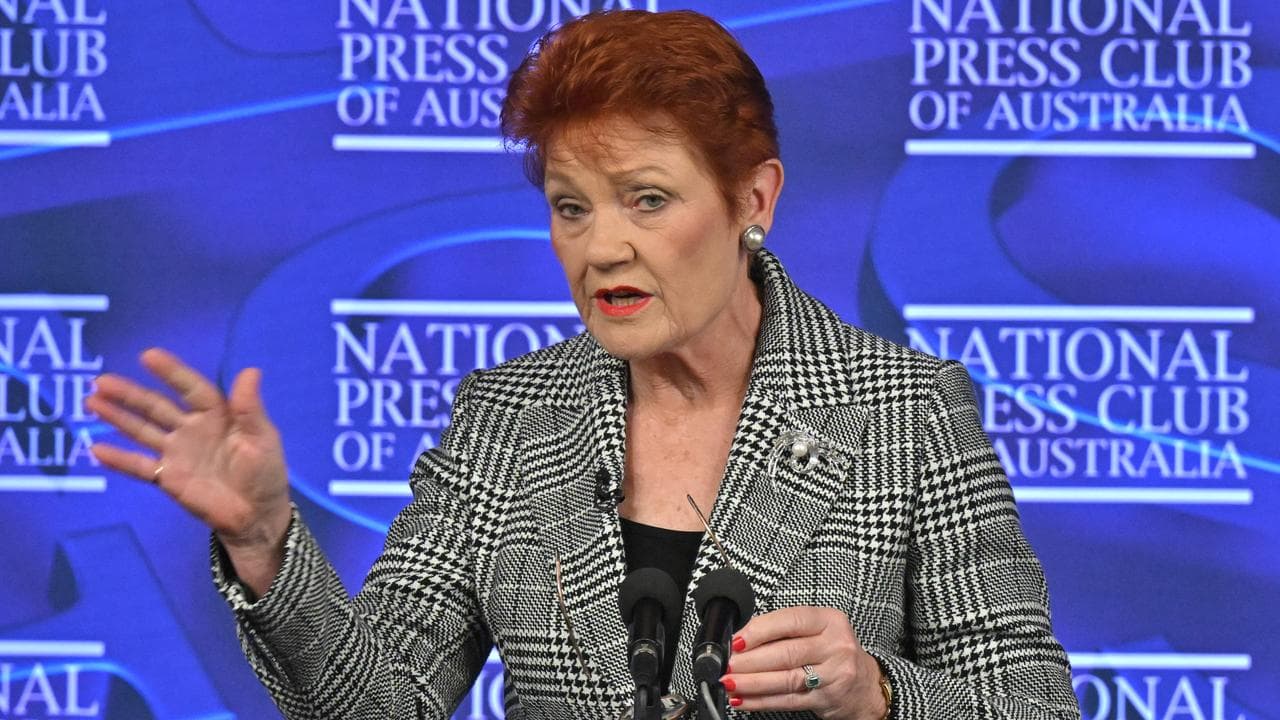
"Poor management has got us in this situation when it comes to the refineries, when it comes to actually oil, and I’m saying, 'dig baby dig'," she said.
"We need to utilise our resources here in this nation to build the wealth again that we can deliver the services to this generation or future.
"Why haven’t we got our own fertiliser?
"If anyone wants to set up industry or manufacturing in this country, it takes them years to get approval for it. That has to stop."
The Queensland senator, whose party has been surging in opinion polls, also used the address to call for nuclear energy to be part of the nation's grid, with a reactor built on Australia's east coast.
She didn't commit to the government funding reactors, but said it would be cheaper than figures previously claimed by the coalition when it took a nuclear energy policy to the 2025 election.
"If we can get private investment in it, we will look at that, but I'm not making that decision now. This is all on the table," she said.
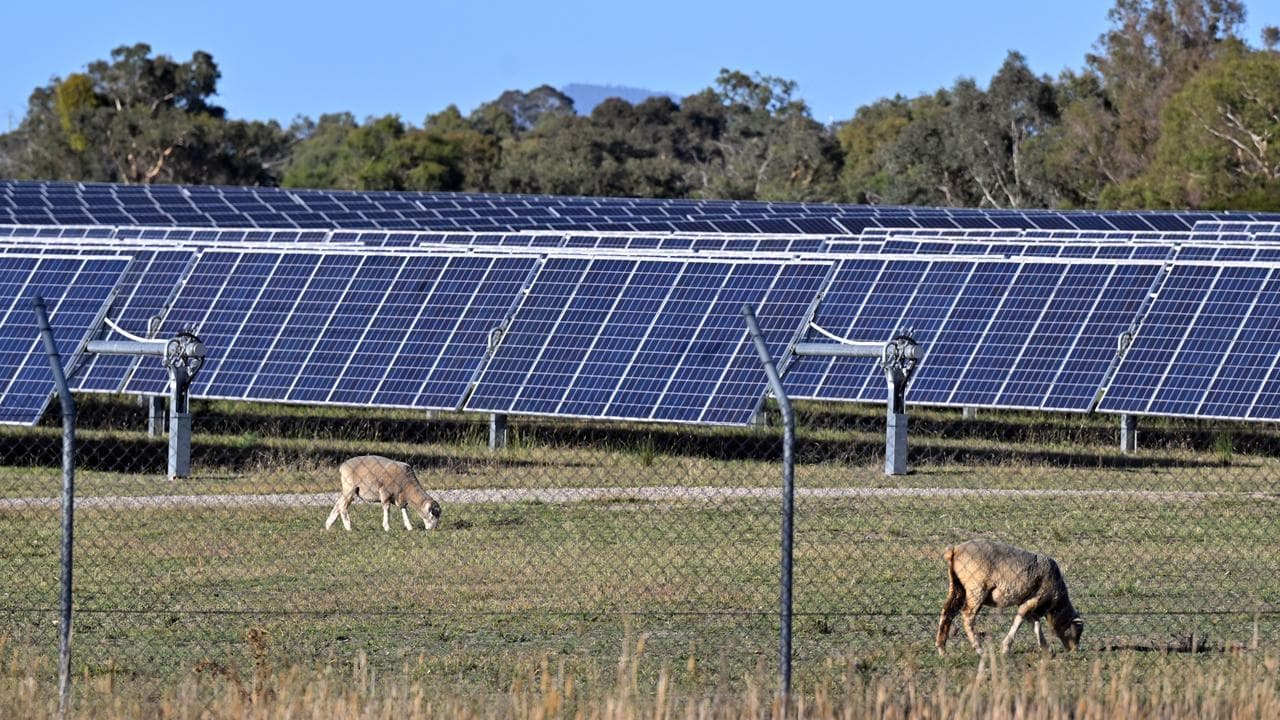
Solar panels and renewable energy would not be placed on agricultural land under One Nation policy.
"Put it up on your roofs, I don't care. Coal-fired power stations — yes. We need to have that. One in South Australia, one in Queensland, to deliver the power that we need," Senator Hanson said.
"I am not opposed to renewable energy, but if it’s the saviour of the energy crisis, and if it’s profitable, why would government have to prop it up? One Nation is saying, put everything into the energy mix."
The party's leader said coal and gas should still play a role in the energy mix.
"Basic environmental standards must be met, but they can’t be allowed to throttle our economy," she said.


